22 Spring Brunette Hair Color Ideas for a Rich & Soft Look
Ready to give your brunette hair a fresh spring update without choosing a shade you’ll regret later? Spring Brunette Hair Color ideas by Styled Aura can range from barely-there highlights to rich caramel melts that completely refresh your look. This guide brings together beautiful brunette shades, balayage blends, face-framing pieces, lowlights, and warm or neutral tones to help you find an option that feels right for you.
As you explore these ideas, you’ll also find practical guidance about pre-lightening, toner, brassiness, root regrowth, dryness, and color-safe care. Whether you want a low-maintenance brunette refresh or a brighter transformation, these looks can help you narrow down your favorites and create a clear plan for your next salon appointment. Save the ideas that catch your eye so you have easy inspiration ready when it’s time for your next color change
1. Caramel Balayage
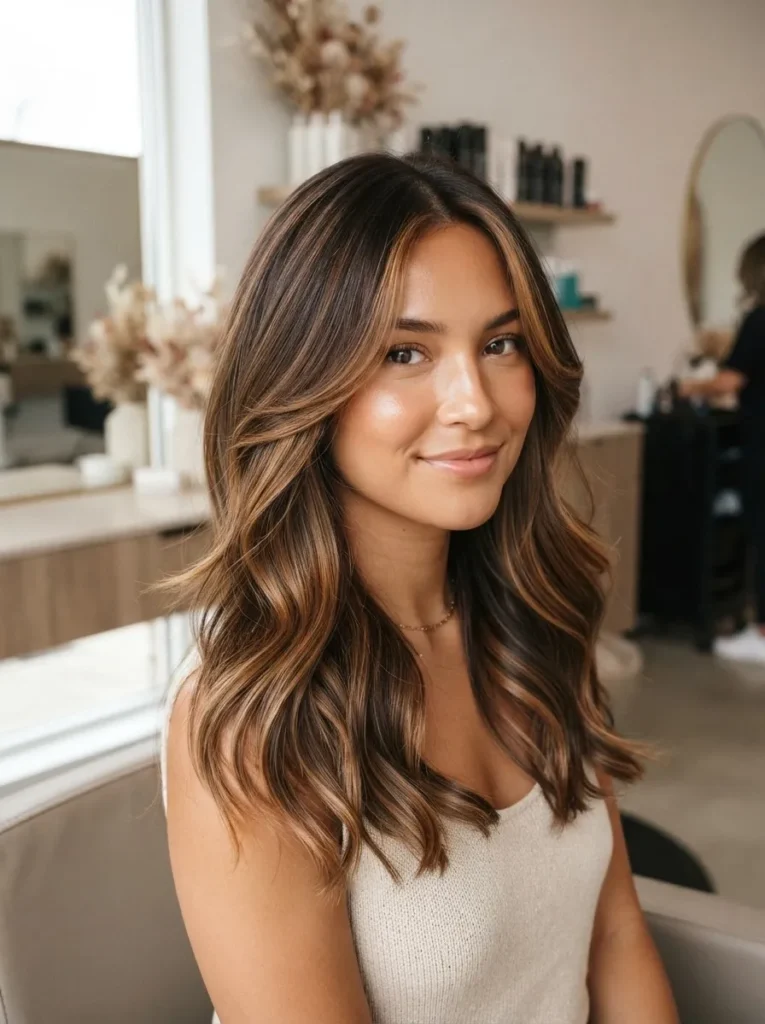
- Warm caramel ribbons add brightness without taking away the depth of brunette hair.
- Hand-painted placement creates a soft, blended finish instead of obvious stripes.
- Face-framing pieces can make the overall look appear brighter and more dimensional.
- It is generally easier to maintain than an all-over light color, especially with a natural brown root.
- Wavy hair shows the tonal movement beautifully, while straight hair makes the highlight placement easy to see.
A warm ribbon of caramel can make brunette hair look instantly richer without losing its natural depth. This blend works especially well when medium or dark brown hair needs softness and movement rather than a dramatic change. Hand-painted balayage through the mid-lengths and ends creates brighter pieces that flow naturally into the base. The result can flatter warm or neutral undertones, while a colorist can soften the formula for cooler complexions. On wavy or straight hair, the contrast becomes especially visible as light catches each section. Expect some fading, so color-safe shampoo and regular glossing can help maintain shine.
Soft caramel balayage is a lovely choice when you want spring-ready brightness without committing to an all-over blonde. The lighter pieces can frame the face gently, while deeper brown roots keep regrowth less noticeable between appointments. For very dark or previously colored hair, pre-lightening may be necessary, and the final tone depends heavily on the starting shade. In my experience, subtle caramel looks most polished when the highlights are slightly varied instead of perfectly uniform. A toner may be refreshed every several weeks, while deep conditioning and heat protection help keep lightened ends smooth, glossy, and manageable.
2. Chocolate Brown Melt
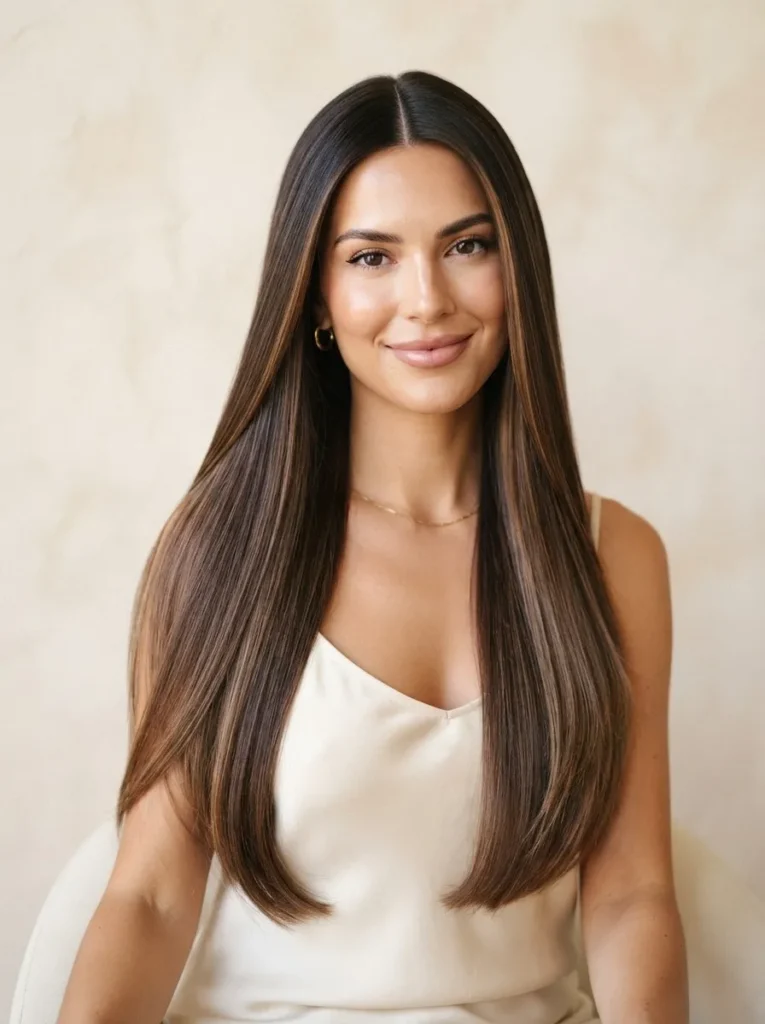
- Rich chocolate tones create depth while keeping brunette hair looking soft and polished.
- A gradual root-to-end transition helps the color appear naturally blended.
- The shade can look deeper indoors and reveal warmer brown reflections in daylight.
- It generally requires less upkeep than heavily lightened brunette styles.
- A gloss can refresh shine when the color starts looking flat or dull.
Picture deep brunette roots melting into glossy chocolate ribbons, with just enough warmth to catch the spring light. Chocolate brown is a dependable option for anyone who wants dimension without a high-contrast finish. A subtle color melt can combine espresso roots, medium chocolate mids, and softly lighter ends, giving straight, wavy, or curly hair a fuller-looking visual effect. This shade often complements neutral, warm, and olive undertones, although a colorist can adjust the warmth. It usually needs less upkeep than lighter colors because the transition is soft. A clear gloss can revive shine when the surface starts looking dull.
Chocolate tones are especially practical for brunettes who want a polished change that still feels believable in everyday settings. On naturally medium-brown hair, the effect may be achievable with a demi-permanent gloss or subtle lowlights, while darker bases may need only tonal enhancement. Previously lightened hair can grab color differently, so a strand test is useful before applying the full formula. The finished shade can look deeper indoors and reveal warmer brown reflections in daylight. To preserve it, wash less frequently with color-safe products, use heat protection, and schedule a gloss when the brown begins losing its fresh, reflective finish.
3. Golden Brown Highlights
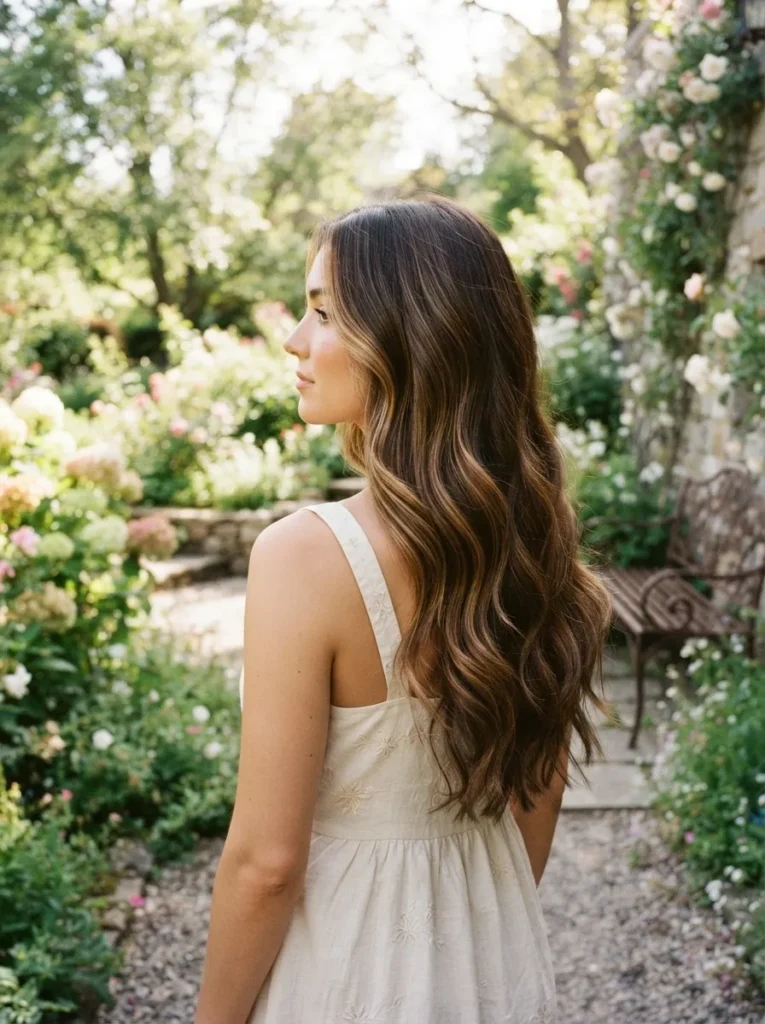
- Golden-brown ribbons add a fresh, sunlit quality while preserving brunette depth.
- Fine balayage placement keeps the result soft and naturally blended.
- Face-framing highlights can brighten the overall appearance without creating a dramatic blonde effect.
- Wavy textures reveal beautiful movement as the lighter pieces catch the light.
- Darker bases may need pre-lightening, followed by toner if unwanted warmth appears.
Golden brown highlights bring a soft, sunlit effect to brunette hair while keeping the overall look grounded and wearable. Fine balayage pieces can be placed around the face and scattered through the lengths, creating brightness without turning the base noticeably blonde. This approach often complements warm or neutral undertones, while cooler complexions may prefer a more beige-golden formula. Wavy hair can show the dimension beautifully because the lighter ribbons catch movement, but straight hair displays the placement clearly too. Darker starting shades may require pre-lightening, and a toner can help control unwanted brassiness as the color develops over time.
Golden brunette tones can be a smart spring update when you want your hair to look brighter but still rich and dimensional. The key is keeping the highlights fine and blended, especially around the hairline, so the contrast feels intentional rather than stripy. On naturally medium brown hair, the lift may be moderate; very dark or previously colored hair can require more preparation. I’ve noticed this type of placement looks particularly natural when the brightest pieces begin slightly below the roots. Maintain the finish with color-safe shampoo, weekly conditioning, heat protection, and occasional professional toning if warmth becomes too strong.
4. Hazelnut Balayage
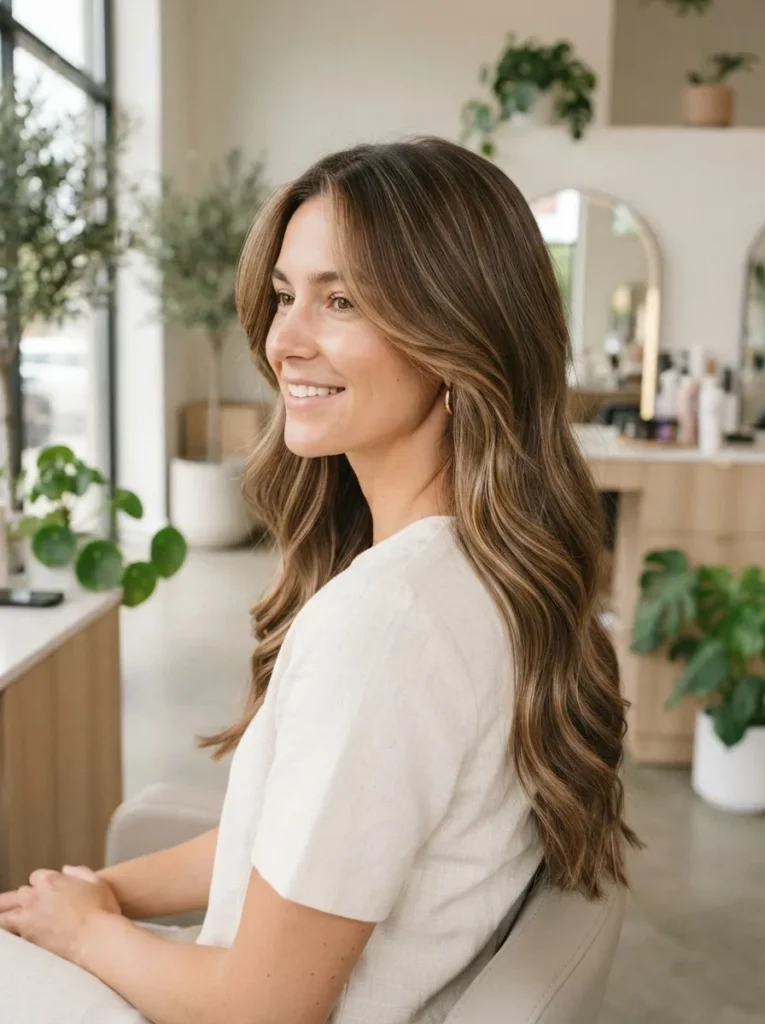
- Soft hazelnut ribbons add warmth without overpowering the brunette base.
- Fine balayage placement creates natural-looking brightness through the lengths.
- The shade can appear richer indoors and more luminous in daylight.
- Keeping the roots natural makes regrowth easier to manage.
- Darker hair may need gentle pre-lightening before achieving the desired hazelnut tone.
A soft hazelnut glow can make brunette hair look warmer, brighter, and beautifully dimensional without creating a dramatic color shift. This shade works especially well when medium or dark brown hair needs subtle richness with lighter movement through the lengths. Fine balayage or blended highlights can create hazelnut ribbons that catch natural light while remaining understated indoors. It often complements warm and neutral undertones, though a colorist can adjust the balance for cooler skin. Wavy textures reveal the tonal variation nicely, while straight hair shows the clean placement. Dark bases may need gentle pre-lightening before the desired hazelnut tone appears.
Hazelnut brunette is also practical for someone who wants a noticeable refresh without constant salon appointments. Keeping the roots close to the natural base makes regrowth less obvious, while lighter mids and ends create enough contrast to keep the style interesting. The final result depends on your starting color, previous dye, and hair condition, so a strand test is worthwhile before lifting darker lengths. If warmth becomes stronger after washing, a professional toner or gloss can rebalance the shade. Use color-safe shampoo, deep conditioner, and heat protection regularly to help lightened sections stay smooth, shiny.
5. Mocha Brown Melt
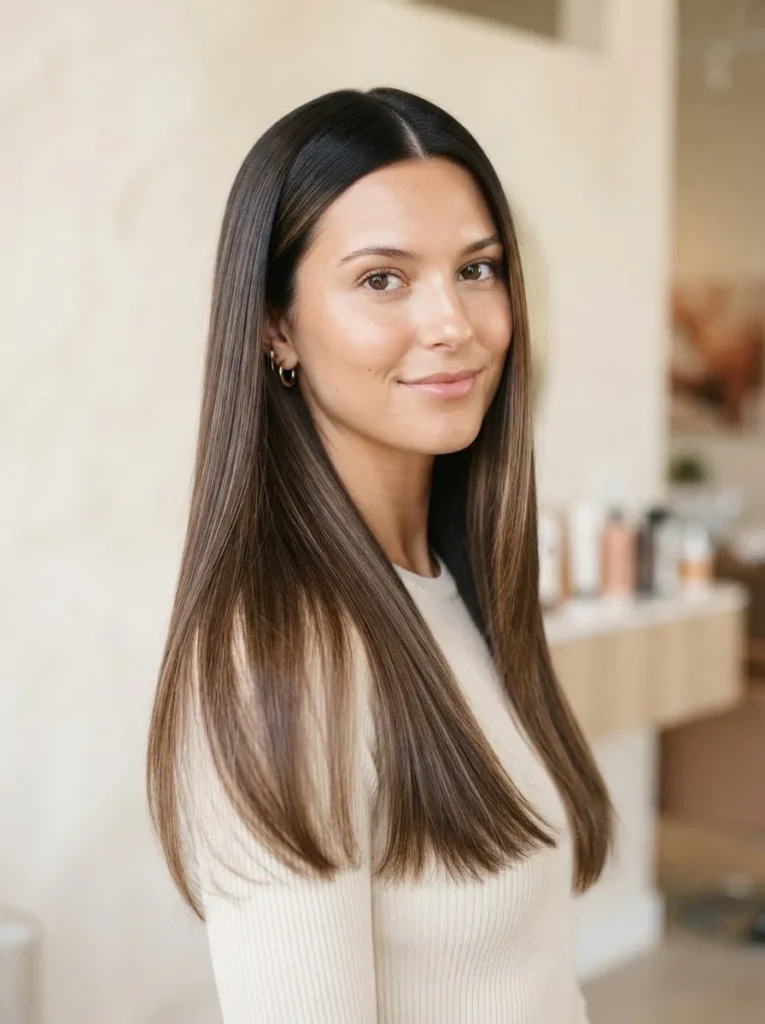
- Rich mocha tones create depth while keeping the brunette finish sophisticated.
- A gradual melt prevents harsh lines between the roots and lighter sections.
- Closely related brown tones give straight and wavy hair visible dimension.
- The natural-looking root makes this style easier to grow out.
- Glossing can refresh the shine when the color begins looking flat.
Mocha brunette creates that polished coffee-toned effect that looks rich without feeling too heavy. The beauty comes from combining deep brown roots with slightly lighter mocha pieces, giving the hair visible dimension while preserving a natural brunette foundation. This technique can suit medium and dark bases, especially when you want softness rather than obvious highlights. Neutral and warm undertones often pair nicely with mocha, while cooler skin can work with a more neutral formula. On thick waves or curls, the varied tones can emphasize movement between sections. Straight hair can show the smooth color transition especially clearly under bright natural light.
A mocha melt can be especially useful when you want a refined color that works from school or workdays to special occasions without looking overly dramatic. The roots can remain close to your natural shade, reducing the appearance of regrowth as the lighter color grows out. Depending on your starting level, a colorist may use lowlights, balayage, or gentle pre-lightening to create the right depth. In my experience, mocha looks most dimensional when several closely related brown tones are blended instead of using one flat formula. Preserve the finish with gentle washing, a color-safe cleanser, conditioning treatments, and heat protection.
6. Toffee Brown Balayage
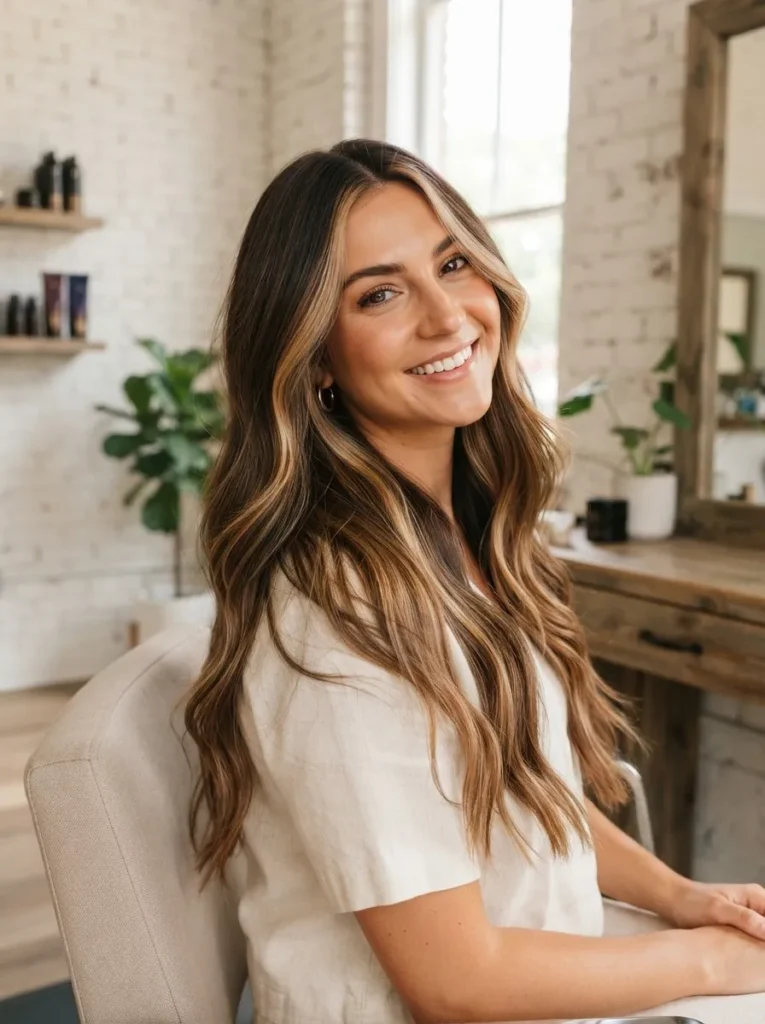
- Warm toffee ribbons create a soft contrast against deeper brunette roots.
- The blended placement gives the hair visible movement without harsh highlight lines.
- Face-framing pieces can add gentle brightness around the complexion.
- It suits both loose waves and sleek straight styling.
- Darker bases may need pre-lightening, followed by toning to refine unwanted warmth.
Toffee brown balayage gives brunette hair a warm, creamy dimension that feels fresh without looking overly light. The technique works by placing caramelized brown ribbons through the mid-lengths and ends while keeping the roots deeper and natural-looking. This creates a gradual transition that can make waves appear more textured and straight hair look more dimensional. It often complements warm or neutral undertones, although the formula can be adjusted for individual coloring. Very dark hair may require pre-lightening before reaching a noticeable toffee tone. A colorist can also control the brightness so the finished shade remains soft rather than brassy.
The real advantage of this blend is its balance between brightness and practicality. Because the lighter pieces are painted rather than applied as a solid color, growing roots can look softer between appointments. In my experience, toffee tones look particularly polished when the brightest pieces are concentrated around the face and scattered lightly through the ends. Expect some warmth to change as toner fades, especially after frequent washing or heat styling. Use color-safe shampoo, regular conditioning, and heat protection to support the finish. A salon gloss or toner can refresh the tone when the highlights begin looking dull or overly warm.
7. Espresso Honey Blend
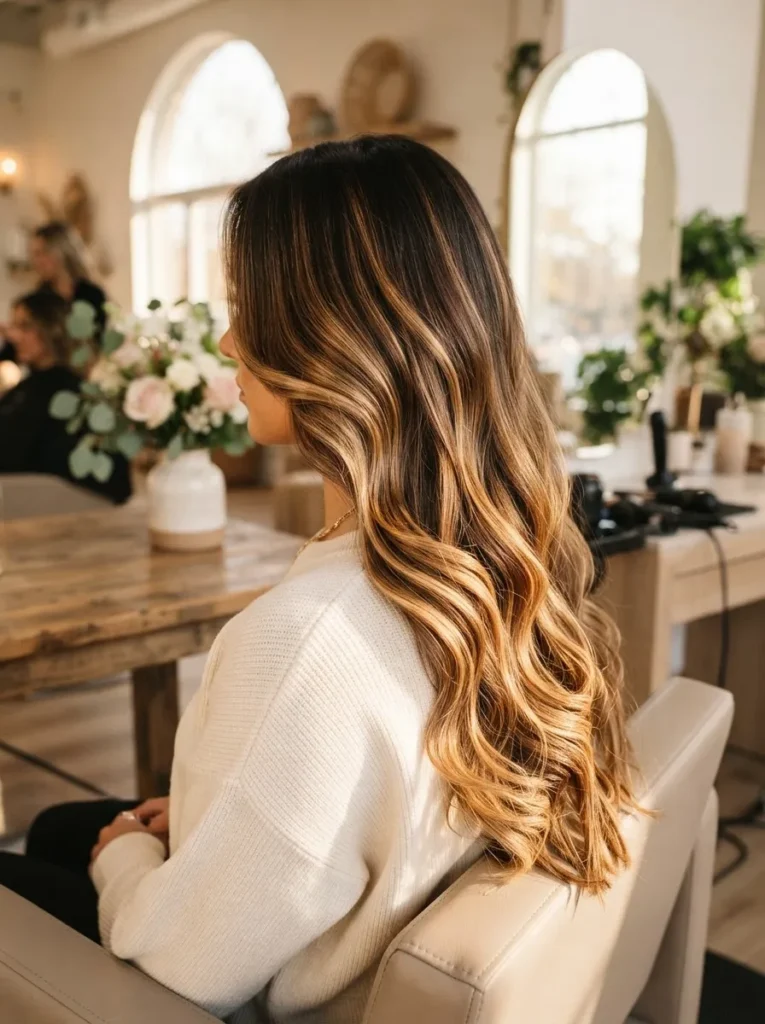
- Deep espresso roots create a rich foundation for softer honey-brown highlights.
- Fine ribbons add brightness while preserving strong brunette depth.
- The contrast looks especially striking when light catches the lighter pieces.
- Keeping the root dark can make regrowth less noticeable.
- Honey tones may need toning when unwanted yellow or brassiness develops.
Espresso and honey create a striking contrast while still keeping brunette hair at the center of the look. Deep espresso roots provide richness, while carefully placed honey-brown ribbons bring lightness through the mids and ends. This combination can work especially well on naturally dark brown hair when you want visible dimension rather than an all-over transformation. Warm or neutral undertones often pair naturally with honey tones, while cooler complexions may benefit from a beige-leaning honey formula. Curly and wavy textures can make the contrast appear especially dynamic because the lighter pieces move across different sections. Straight hair highlights the placement more precisely.
This blend is more noticeable than a subtle brown gloss, so it suits someone who wants a brighter spring update while keeping a dark foundation. Depending on the starting level, achieving honey pieces may involve pre-lightening and toner, particularly on previously dyed brunette hair. That preparation can increase dryness, making deep conditioning and heat protection important parts of the routine. I’ve noticed that keeping the honey highlights slightly varied creates a more natural finish than making every ribbon identical. Refreshing toner periodically can control brassiness, while color-safe shampoo helps protect the darker base and lighter sections between salon visits.
8. Cinnamon Brown Balayage
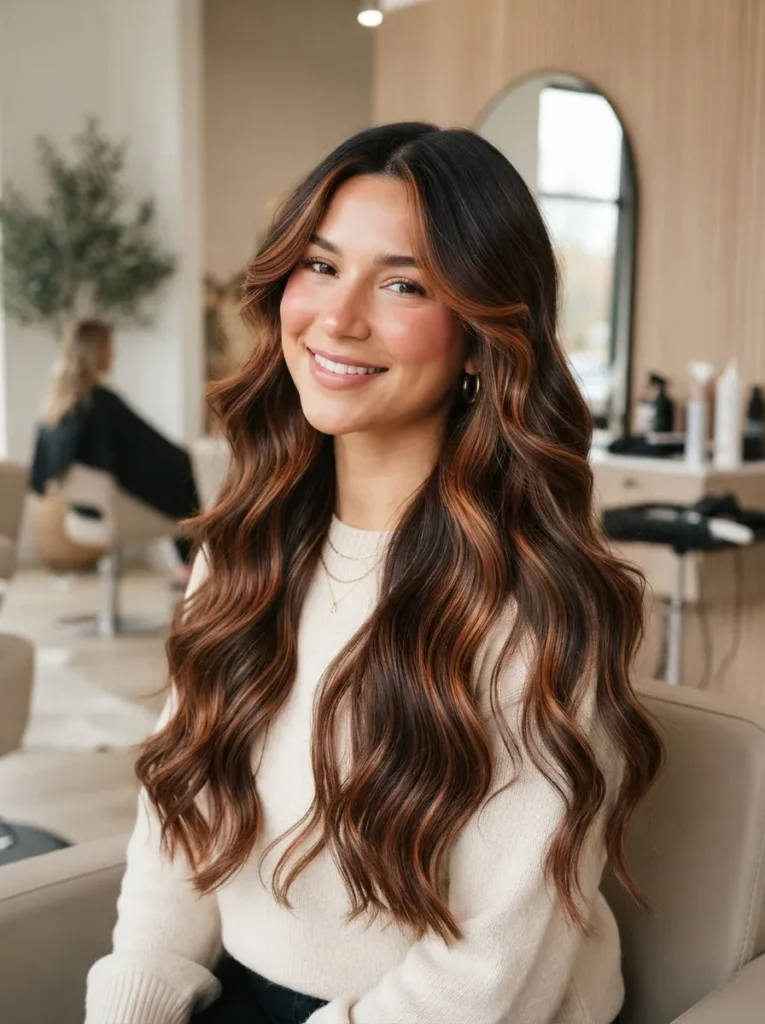
- Cinnamon ribbons add gentle copper warmth to a rich brunette base.
- The highlights create movement without turning the overall look bright red.
- Face-framing pieces can make the color appear warmer around the complexion.
- Wavy and curly textures show the cinnamon dimension beautifully.
- Darker hair may need pre-lightening, while toner can refine excessive orange warmth.
A touch of cinnamon can wake up brunette hair with warm copper-brown reflections that look especially beautiful in spring light. This balayage keeps the roots deeper while placing cinnamon-toned ribbons through the mids and ends, creating movement without turning the entire head red. The shade often complements warm and neutral undertones, although a colorist can soften the copper for someone who prefers a more balanced finish. Wavy and curly hair can display the dimensional tones particularly well because movement reveals different shades. On naturally dark hair, controlled lightening may be needed before the cinnamon tone becomes clearly visible.
Cinnamon brown is a good middle ground for someone who wants more warmth but does not want the maintenance of a vivid copper shade. The deeper root creates a softer grow-out, while strategically placed ribbons keep the look fresh between appointments. Because warm pigments can change as toner fades, you may notice more orange or copper showing over time. That does not necessarily mean the color has failed; it simply may need tonal adjustment. Use color-safe shampoo, conditioner, heat protection, and occasional gloss treatments. A professional can fine-tune the formula if your hair becomes too warm or uneven.
9. Maple Brown Highlights
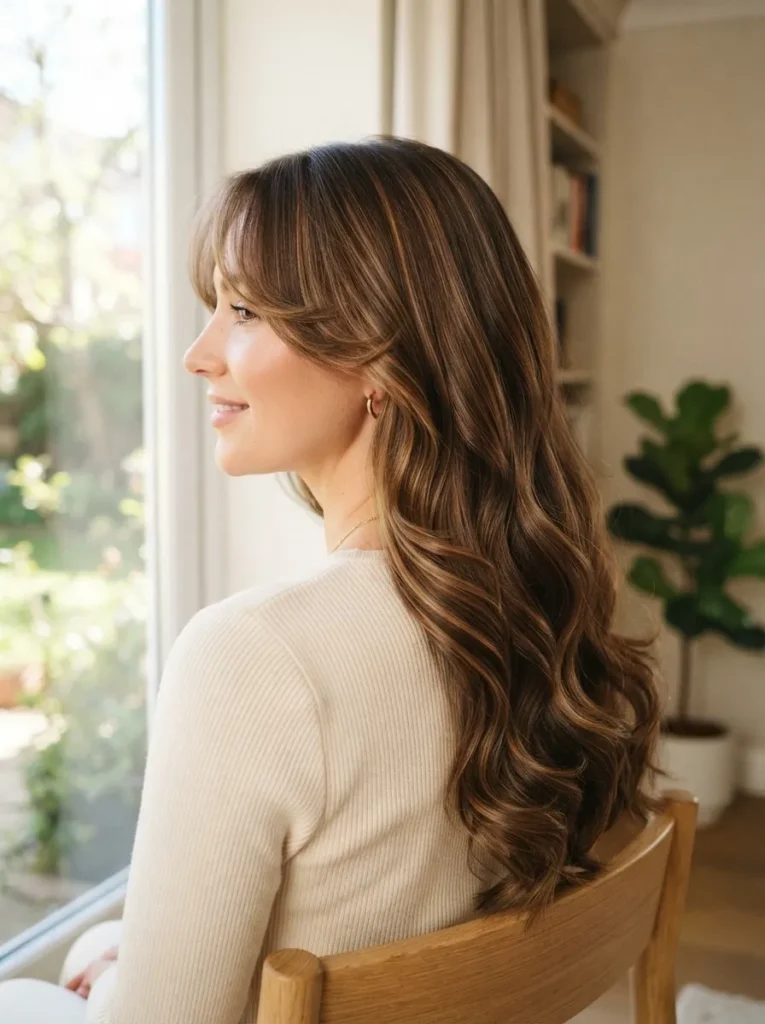
- Maple-brown highlights add warm depth without creating an overly golden finish.
- Soft ribbons blend naturally into medium and dark brunette bases.
- The dimensional placement becomes brighter in direct daylight.
- Root-friendly application makes regrowth less noticeable.
- Toner or gloss may be useful when warm highlights begin losing their balanced tone.
Maple brown highlights bring a rich blend of warm brown and subtle golden tones to brunette hair, creating dimension that feels polished rather than flashy. The shade can work particularly well with medium or deep brown bases because the contrast remains visible without becoming extremely light. Fine highlights through the mids, ends, and selected face-framing sections can create a soft reflective effect. Warm and neutral undertones often pair nicely with maple tones, while cooler undertones may suit a less golden formula. In natural daylight, the lighter pieces can look noticeably brighter, while indoor lighting usually makes the overall color appear deeper.
This color is especially appealing if you want a seasonal refresh that still feels practical for everyday life. A natural-looking root allows the highlights to grow out more softly than an all-over light color, reducing the need for frequent root appointments. Depending on your starting shade, darker hair may require pre-lightening, and previously colored lengths can respond differently from natural hair. I’ve seen this type of placement look most believable when the highlights vary slightly in thickness and intensity. Protect the finish with gentle cleansing, conditioning treatments, heat protection, and an occasional salon gloss when shine or warmth starts changing.
10. Bronzed Brunette
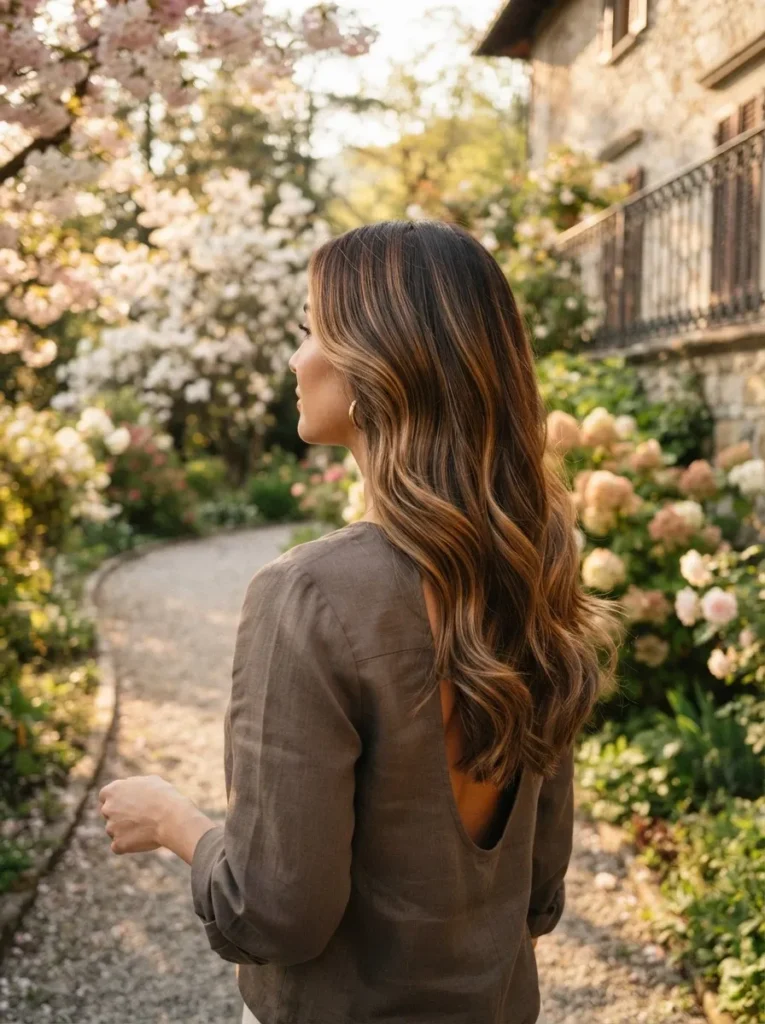
- Bronze tones give brunette hair a warm, reflective finish with subtle golden depth.
- The look can brighten darker hair without becoming full blonde.
- Soft dimensional pieces work beautifully with layered or wavy hairstyles.
- A deeper root keeps the result easier to grow out.
- Regular glossing can help preserve the reflective bronze finish as warmth fades.
Bronzed brunette combines rich brown depth with soft golden warmth, creating a reflective finish that looks different as the lighting changes. Instead of turning the hair fully blonde, the technique introduces bronze ribbons or tonal highlights through selected sections. This can work well for medium and dark brown bases, particularly when you want brightness without a dramatic contrast. Warm and neutral undertones often complement the golden-brown effect, while a colorist can reduce yellow warmth for a more balanced result. Long layers and waves help reveal the bronze dimension as the hair moves, while sleek styles create a smoother, more polished appearance.
Bronzed brunette can be a beautiful choice when you want your hair to look sunlit while maintaining a sophisticated brunette foundation. The exact result depends on your starting level, previous color, and hair condition, so darker or previously dyed hair may need careful pre-lightening. A toner can refine the final warmth and prevent the bronze from becoming too orange. Because lightened sections can become dry, conditioning treatments and heat protection should be part of the routine. A salon gloss every several weeks can refresh shine and tone, while color-safe shampoo helps slow fading between appointments and keeps the brunette base looking rich.
11. Toasted Almond Brown
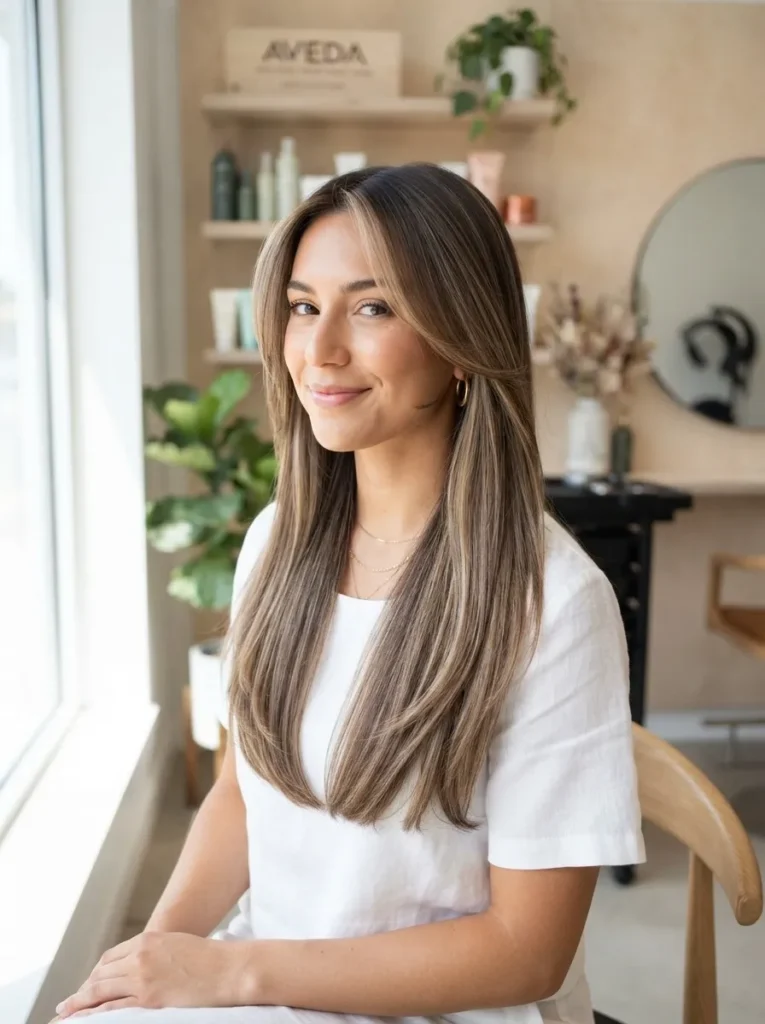
- Soft almond-brown tones create a balanced blend of warmth and brunette depth.
- Fine highlights add brightness without making the overall color look blonde.
- The neutral warmth can work well across several brunette base shades.
- Subtle placement keeps regrowth softer than an all-over lighter color.
- A gloss can refresh shine and restore the creamy tonal balance.
Toasted almond brown gives brunette hair a creamy, softly warmed finish that sits between neutral brown and gentle golden beige. Fine ribbons can be blended through the mids and ends, leaving the roots slightly deeper for a natural transition. This shade often complements neutral and warm undertones, while a colorist can reduce golden intensity for cooler complexions. It works particularly well on straight, softly waved, or layered hair because the subtle contrast becomes visible as light moves across the strands. Darker starting colors may require controlled pre-lightening, and the final result will depend on your natural pigment and previous color history.
This shade is appealing when you want spring brightness without committing to a high-contrast transformation. The toasted effect can look creamy in daylight while appearing richer and more understated indoors, making it versatile for everyday styling. Because the roots remain darker, regrowth is generally less noticeable than with solid lighter color. If the lighter sections become dry, deep conditioning and heat protection can help maintain a smoother appearance. In my experience, almond tones look most natural when the highlights are fine and slightly varied rather than perfectly matched. Occasional glossing can restore shine when the color begins looking flat or faded.
12. Butterscotch Brown
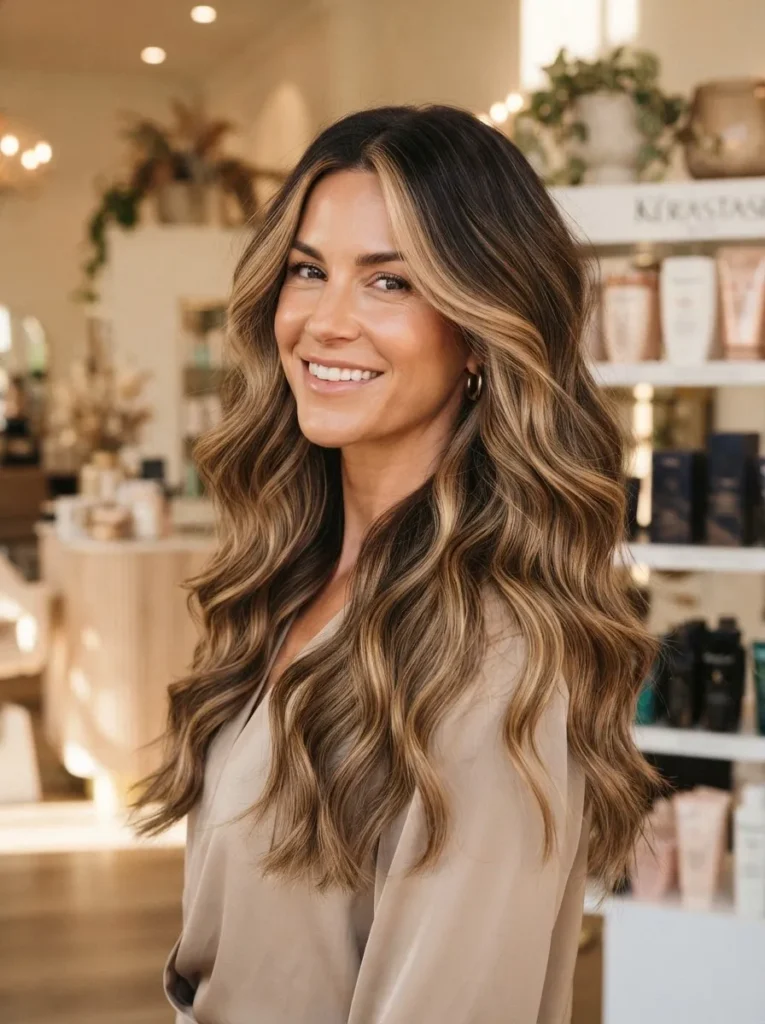
- Butterscotch tones bring creamy golden warmth to a deeper brunette foundation.
- The lighter ribbons create noticeable dimension without a full blonde transformation.
- Face-framing placement can make the front of the hairstyle appear brighter.
- Waves and curls reveal the warm tonal variation beautifully.
- Dark bases may require pre-lightening and toning to achieve a clean butterscotch finish.
Butterscotch brown adds a creamy golden warmth to brunette hair, creating a richer version of traditional caramel highlights. The shade works especially well when lighter ribbons are blended through a medium or deep brown base rather than placed as solid blonde sections. This approach can brighten the overall hairstyle while preserving brunette depth at the roots. Warm and neutral undertones often pair naturally with the golden finish, although cooler undertones may suit a softer beige version. Wavy and curly textures can reveal the different tones beautifully, while straight hair makes the highlight placement more noticeable. Very dark hair may need pre-lightening first.
Butterscotch is a higher-impact choice than a subtle brown gloss, so it suits someone who wants spring brightness that is still grounded in a brunette base. Keeping the root darker helps soften regrowth, but the lighter sections may need periodic toning as warm pigments change. A colorist can adjust the formula if the result becomes too yellow or orange. Because pre-lightening can increase dryness, use nourishing conditioner, occasional deep treatments, and heat protection consistently. Color-safe shampoo also helps maintain the tone. A professional gloss can revive shine when the butterscotch pieces start looking dull between larger coloring appointments.
13. Walnut Brown Lowlights
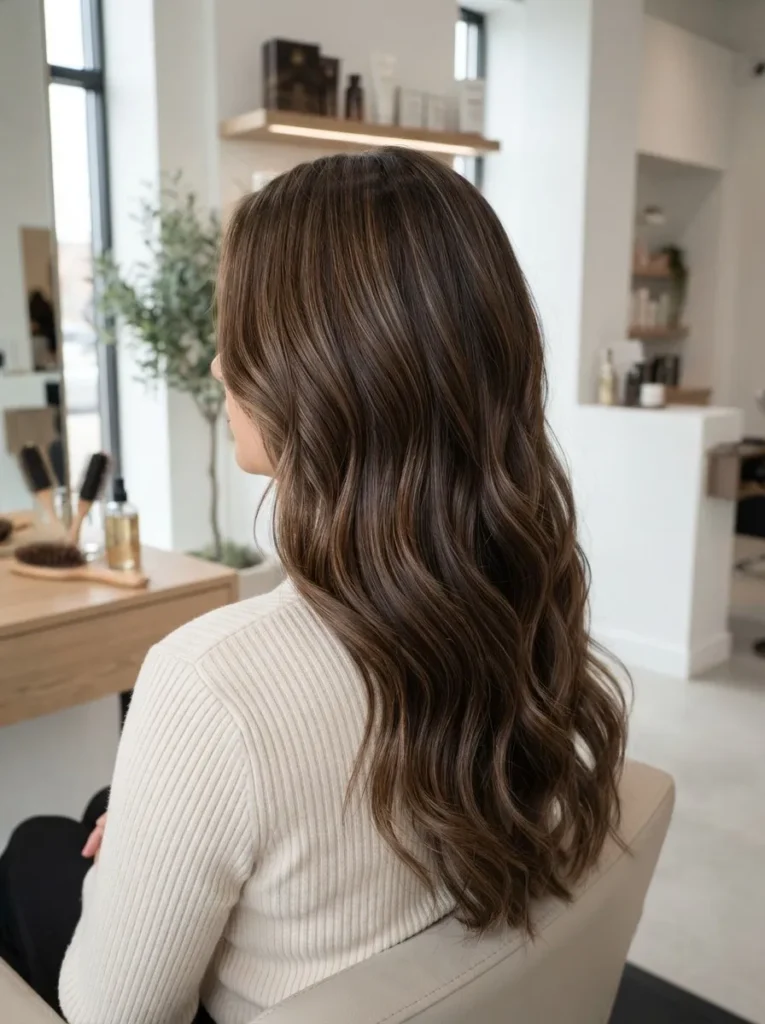
- Walnut lowlights add depth to brunette hair without creating a dramatic color change.
- The darker ribbons can make lighter brown sections appear more dimensional.
- This technique works well for hair that already has faded highlights.
- Subtle contrast can make layered hairstyles look fuller and more textured.
- A gloss can help keep the walnut tones rich and reflective.
Walnut brown lowlights are ideal when brunette hair looks flat, overly light, or washed out and needs deeper dimension. Instead of adding more brightness, this technique places rich walnut ribbons beneath or between lighter brown sections, creating contrast and visual depth. The shade can work beautifully on medium brunette bases and on previously highlighted hair where the lighter pieces need grounding. Neutral and slightly warm undertones often suit walnut tones, though the formula can be customized. Layered, wavy, and curly hairstyles show the contrast naturally because darker ribbons appear and disappear through movement. Straight hair displays the placement more clearly.
This is one of the more practical options for someone who wants dimension without extensive lightening. Since lowlights add depth rather than requiring significant lifting, they can be gentler on hair that has already been colored or highlighted. The final result may look richer indoors and reveal subtle brown warmth under natural daylight. I’ve noticed walnut lowlights can be particularly effective when they are placed irregularly instead of in identical sections. Maintain the color with gentle washing, conditioner, heat protection, and occasional glossing. If previous highlights are porous, a strand test can help determine how strongly they absorb the darker formula.
14. Honey Mocha Brunette
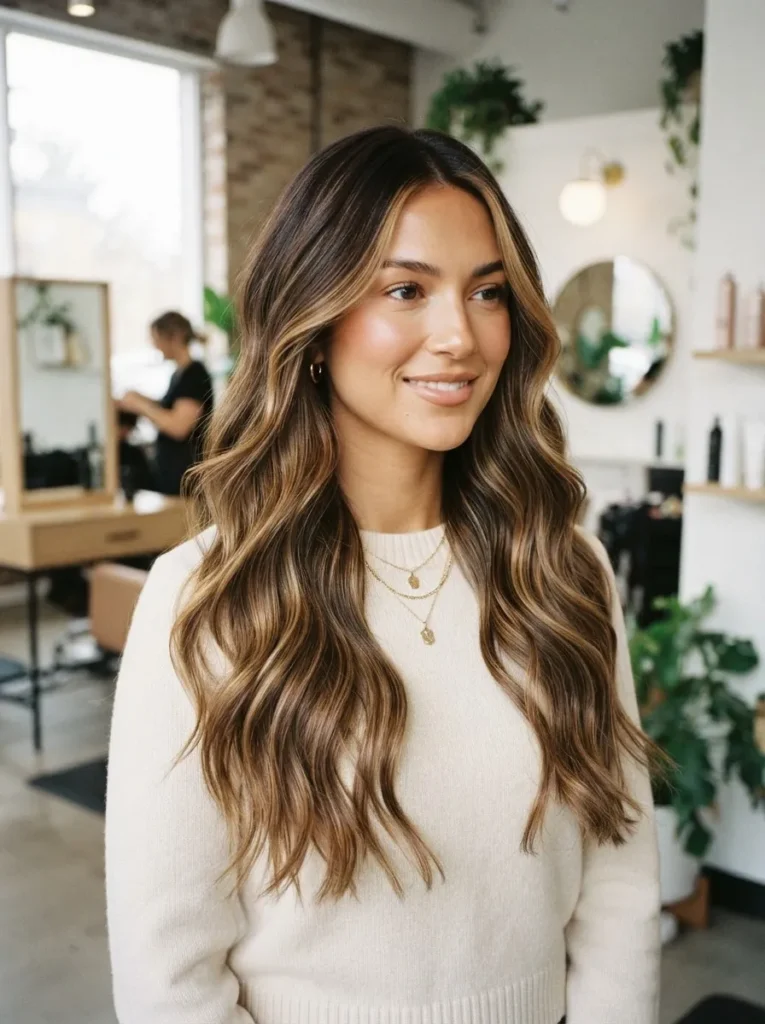
- Honey ribbons soften the depth of mocha-brown hair with gentle brightness.
- The blended contrast looks natural rather than sharply highlighted.
- Face-framing pieces can create a brighter appearance around the front.
- Wavy textures reveal the honey dimension especially well.
- Darker bases may require pre-lightening, while toner can control excessive warmth.
Honey mocha brunette combines deep coffee-brown richness with delicate honey ribbons for a warm, dimensional finish. The lighter pieces can be placed around the face and scattered through the mid-lengths, allowing the darker base to remain visible underneath. This balance often works well for warm and neutral undertones, while a colorist can make the honey more beige for cooler complexions. On naturally medium-brown hair, the transition may look especially seamless; darker bases may require controlled lightening. Wavy and curly textures reveal the tonal variation beautifully, while straight hair shows the precise placement and glossy contrast.
This blend gives you brightness without requiring the entire hairstyle to become noticeably lighter, making it useful for everyday wear and spring occasions alike. The deeper mocha root also helps disguise normal regrowth, so appointments may be less frequent than with an all-over blonde. As the lighter pieces fade, warmth can become more visible, particularly after frequent washing or heat styling. A professional toner or gloss can restore balance when needed. For home care, choose color-safe shampoo, condition regularly, and protect the hair from heat. If your hair is previously colored, a strand test can help predict the result.
15. Beige Brown Balayage
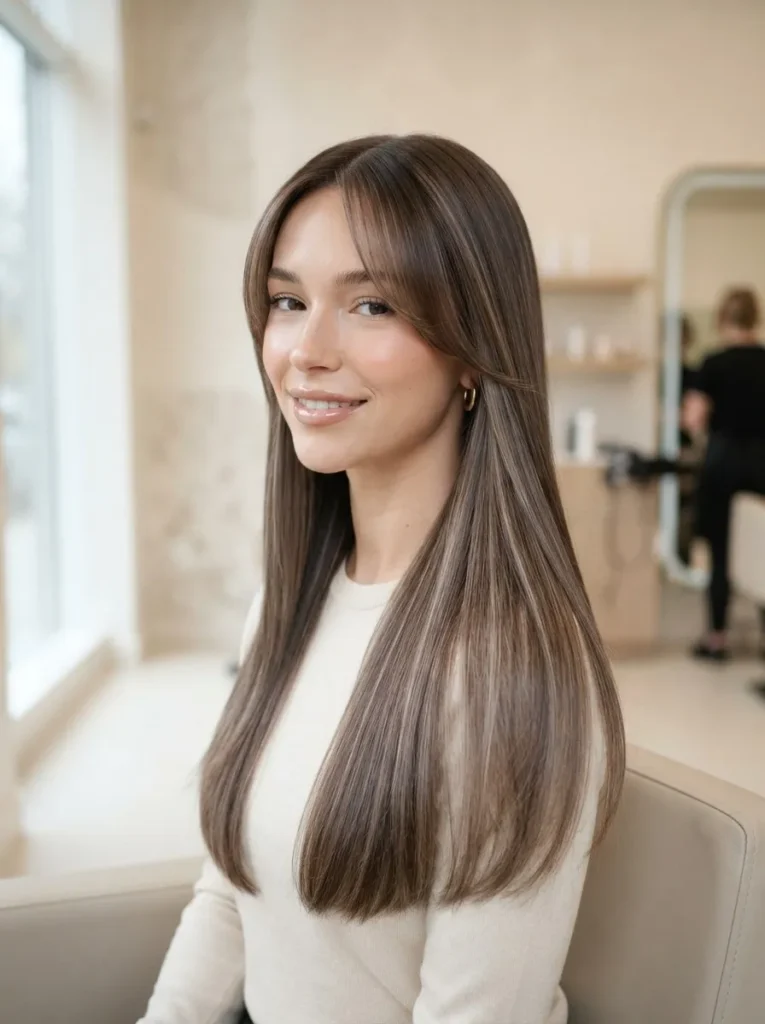
- Beige-brown tones create a softer, neutral alternative to strongly golden highlights.
- Fine balayage adds brightness while preserving a natural brunette foundation.
- The muted finish can look polished in professional and everyday settings.
- Neutral ribbons can reduce the appearance of overly warm brunette color.
- Darker hair may require pre-lightening and careful toning to reach the desired beige balance.
Beige brown balayage offers a softer, more neutral approach to spring brunette color, especially for anyone who finds golden or copper tones too warm. The technique blends muted beige-brown ribbons into a deeper brunette base, creating brightness without an obvious blonde effect. This shade can work especially well with neutral or cooler undertones, while a colorist can add gentle warmth if your complexion needs it. Fine placement through the mids and ends keeps the transition subtle, making it suitable for straight, wavy, or layered hair. On darker natural hair, pre-lightening may be necessary before a clean beige tone can develop.
The appeal of beige brown is its understated finish: polished enough for professional environments but still dimensional enough for Pinterest-worthy styling. Because the roots remain deeper, normal regrowth can blend more softly than with solid light color. Beige tones can also lose their neutral balance as toner fades, sometimes revealing unwanted warmth underneath. That is why many professional colorists recommend periodic toning when maintaining a cooler beige finish. Use gentle color-safe shampoo, conditioner, and heat protection to support the lightened sections. A strand test is particularly useful if your hair has previous dye, highlights, or uneven porosity.
16. Caramel Mocha Melt
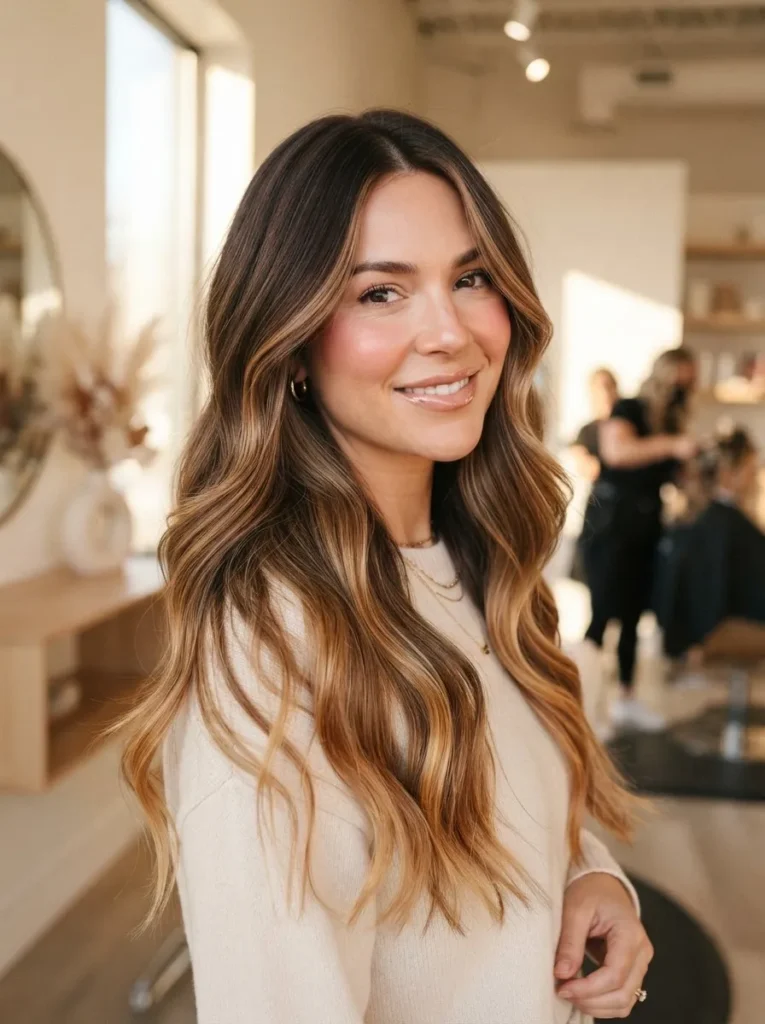
- Caramel highlights add warmth to a deep mocha foundation without overwhelming it.
- The gradual melt creates a seamless transition from darker roots to lighter ends.
- Concentrated brightness around the face can create a soft framing effect.
- Layered waves show the dimensional color especially well.
- Regular glossing can refresh the caramel tone as it gradually fades.
Caramel mocha melt blends deep brown roots with smooth caramel-brown lengths, creating a rich transition that feels polished rather than high contrast. The darker mocha foundation keeps the hairstyle grounded, while warmer ribbons through the mids and ends introduce brightness and movement. This combination often complements warm and neutral undertones, although a colorist can adjust the caramel toward beige for a softer result. It works beautifully on medium to long hair, especially with waves or layers that allow each tonal section to catch the light. Darker bases may need pre-lightening, and previous color can affect how evenly the caramel develops.
A caramel mocha melt is a practical option when you want noticeable dimension but do not want frequent root appointments. The darker starting point makes new growth less obvious, while the lighter ends maintain visual brightness as the style grows out. In natural daylight, caramel ribbons may look more golden, while indoor lighting can emphasize the deeper mocha tones. If warmth becomes stronger after several washes, a salon gloss or toner can refresh the balance. Keep lightened ends conditioned, limit excessive heat, and use color-safe shampoo. A professional consultation is helpful when transitioning from very dark, box-dyed, or previously highlighted hair.
17. Amber Brown Balayage
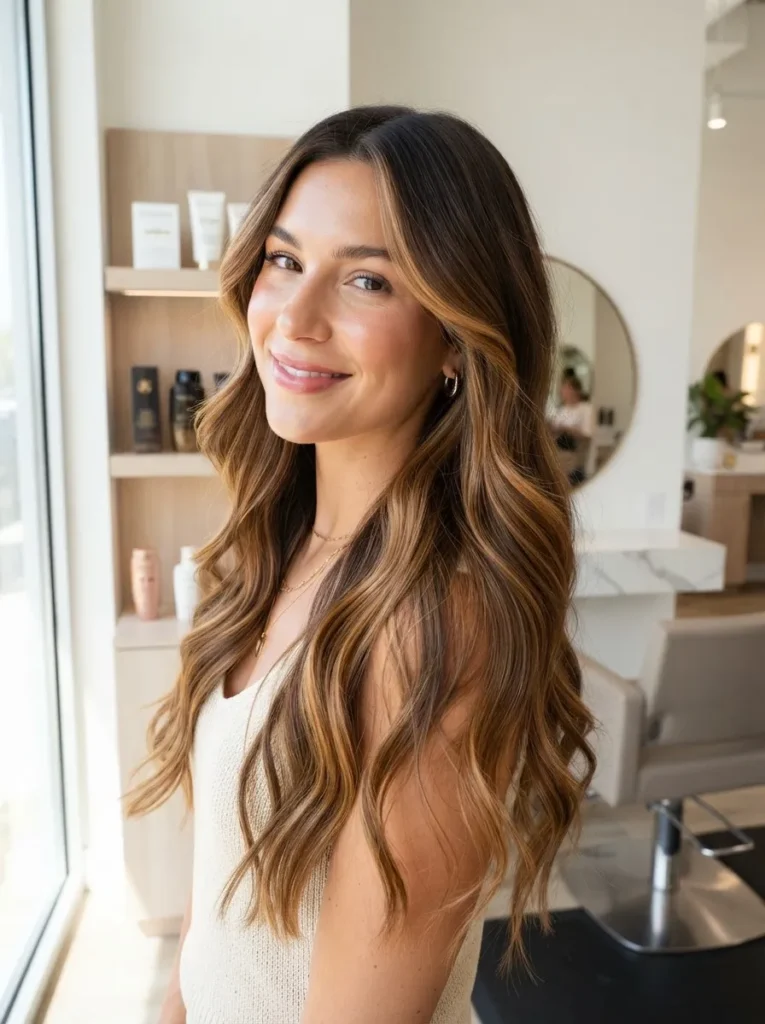
- Amber ribbons add warm golden depth without making the brunette base look flat.
- Hand-painted placement keeps the transition soft and natural-looking.
- The brighter pieces can make layered hair appear more dimensional.
- Warm undertones usually pair naturally with amber reflections.
- Darker bases may require pre-lightening, while toner can help control excess orange.
Amber brown balayage gives brunette hair a glowing mix of warm brown and golden-amber reflections. The color is usually painted through selected mids and ends, leaving the roots deeper so the result feels blended rather than striped. This shade often complements warm and neutral undertones, while a colorist can soften the golden intensity for someone who prefers less warmth. It can look particularly dimensional on wavy or layered hair because the amber ribbons catch light as the strands move. Darker starting shades may need pre-lightening, and previously colored hair can require additional planning before reaching an even result.
The finished color can shift beautifully throughout the day, appearing richer indoors and more luminous in direct natural light. Because the root stays close to the natural brunette shade, regrowth is usually easier to manage than with an all-over lighter color. However, warm tones can fade or become more orange as toner wears away, especially with frequent washing. A professional gloss can restore the intended balance without repeating the entire service. For home maintenance, use color-safe shampoo, conditioner, and heat protection. In my experience, amber balayage looks most natural when the brighter pieces vary in width rather than following a uniform pattern.
18. Dark Caramel Brown
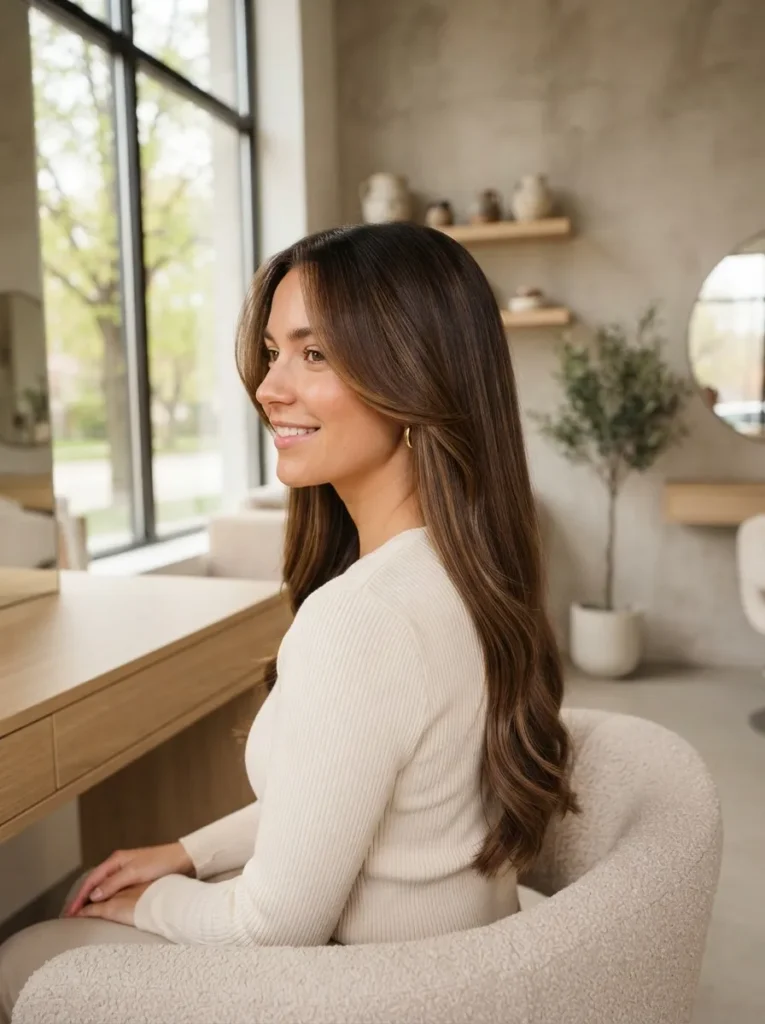
- Dark caramel adds warmth while keeping the overall brunette appearance rich and deep.
- Subtle ribbons create dimension without looking dramatically highlighted.
- The shade works especially well for medium and deep brown starting colors.
- A darker root makes normal regrowth easier to blend.
- Glossing can refresh warmth and shine when the caramel begins looking muted.
Dark caramel brown is a strong choice for brunettes who want warmth without moving too far from their natural depth. The shade combines rich brown with restrained caramel reflections, creating subtle brightness through the mids and ends. This can work especially well on medium and deep brunette bases because the contrast remains soft and believable. Warm and neutral undertones often complement the caramel warmth, while a colorist can make the formula more muted for cooler complexions. The effect can appear especially rich on thick waves and curls, while straight hair reveals the fine ribbons more clearly. Very dark hair may require controlled lightening.
Dark caramel is also easier to wear between appointments because the color does not depend on a sharply contrasting root. A softly blended application allows new growth to transition naturally, making it useful for people with busy schedules. The caramel may appear brighter outdoors and deeper under indoor lighting, giving the hairstyle changing dimension throughout the day. If the warm tone starts fading, a gloss can restore richness without completely recoloring the hair. Protect the lighter sections with conditioner and heat protection, and choose color-safe shampoo. A professional consultation can help determine whether your starting shade needs lifting or only tonal enhancement.
19. Copper Brown Brunette
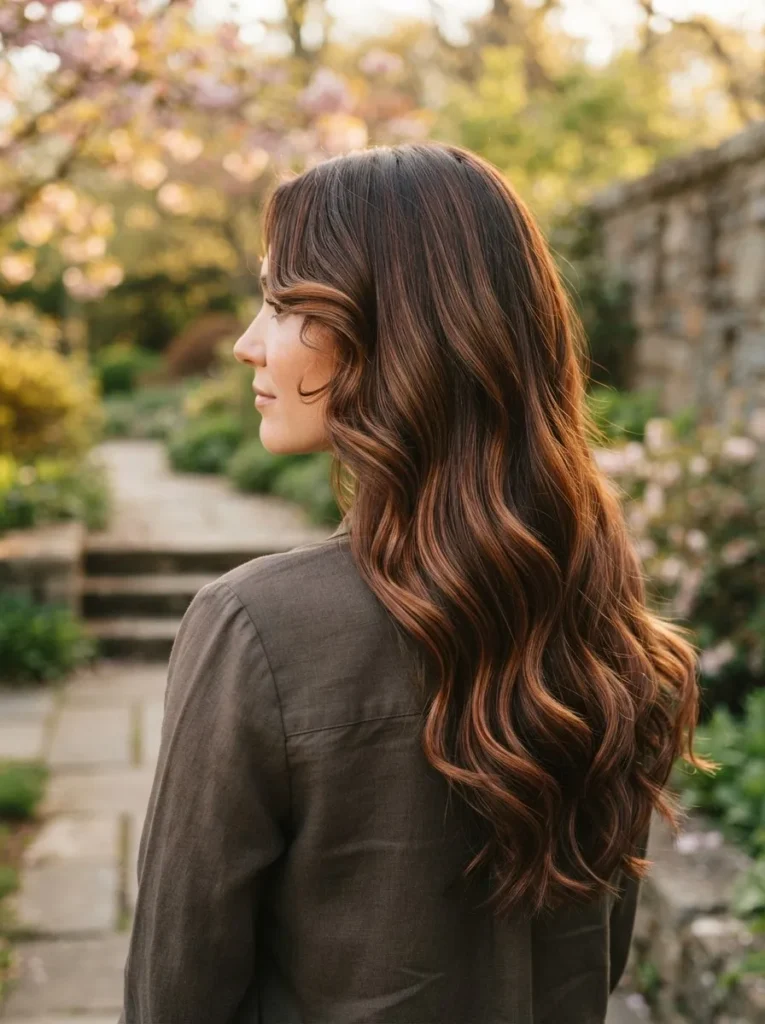
- Copper-brown reflects warm light while maintaining a clearly brunette foundation.
- Subtle copper placement creates more impact than traditional caramel highlights.
- The color can add lively warmth to medium and deep brown hair.
- It may fade faster than neutral brown because warm pigments can shift with washing.
- Gloss treatments and color-safe care help preserve the richness between appointments.
Copper brown brunette introduces a noticeable but controlled copper glow into a deeper brown foundation. Instead of becoming a vivid orange or red, the hair keeps substantial brunette depth while warm copper ribbons bring movement and personality. This shade often complements warm and neutral undertones, although a colorist can adjust the copper intensity to suit individual coloring. It can look especially striking on medium-brown starting shades, while very dark hair may need pre-lightening for the copper to become visible. Wavy textures highlight the tonal movement beautifully, whereas straight hair gives a cleaner view of the copper placement and contrast.
This is a more attention-grabbing choice, so maintenance deserves consideration before booking the color. Copper pigments can fade noticeably with frequent washing, and previously lightened sections may lose warmth at different rates. A colorist can recommend a suitable gloss or toner schedule based on your starting shade and hair condition. I’ve noticed copper-brown looks most balanced when the warm pieces are concentrated rather than spread evenly over every strand. Use color-safe shampoo, lukewarm water, conditioner, and heat protection to help preserve shine. If your hair has previous dye, a strand test can reveal how strongly it may absorb copper.
20. Rosewood Brown
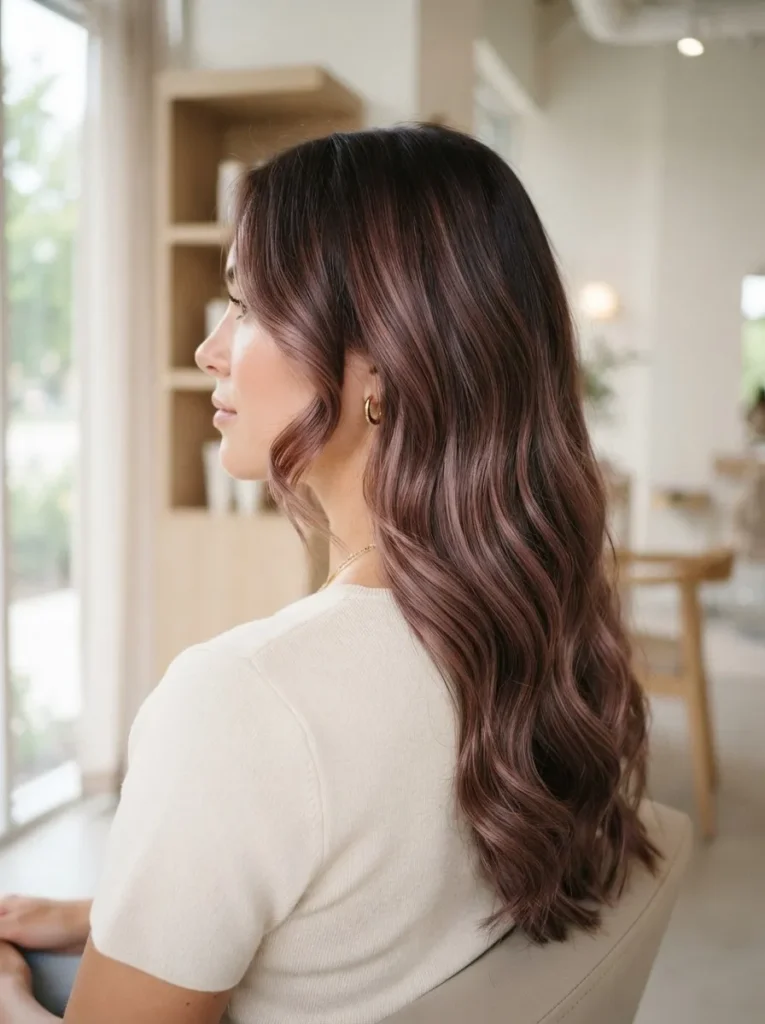
- Rosewood brown blends deep brunette depth with muted rosy warmth.
- The subtle rosy tone adds interest without becoming a vivid fashion color.
- Dimensional placement works beautifully through layered, wavy, or softly curled hair.
- A deeper root can make growing out the color easier.
- Glossing may help refresh the rosy-brown tone as it gradually fades.
Rosewood brown gives brunette hair a sophisticated mix of deep brown and muted rosy warmth. The effect is softer than a bright red and more distinctive than a standard chocolate shade, making it a beautiful option for a subtle seasonal change. The rosy pigment can be blended through the mids and ends while keeping the roots deeper and natural-looking. It may complement neutral, cool, or slightly warm undertones depending on the formula. Medium-brown starting hair can show the tone naturally, while darker or previously colored hair may need careful preparation. Waves and layers reveal the dimensional rosy reflections especially well.
Rosewood can look understated in indoor lighting but reveal delicate berry-brown reflections when sunlight reaches the hair. That shifting quality makes it especially appealing if you want color that feels noticeable without being loud. Because rosy pigments can fade differently from the brown base, the shade may gradually become softer or warmer with repeated washing. A salon gloss can restore the tonal balance when needed. For maintenance, use color-safe shampoo, conditioner, and heat protection, particularly if the hair was pre-lightened. A professional consultation and strand test are helpful when working with previously colored hair because porosity can affect how strongly the rosy tone develops.
21. Maple Mocha Melt
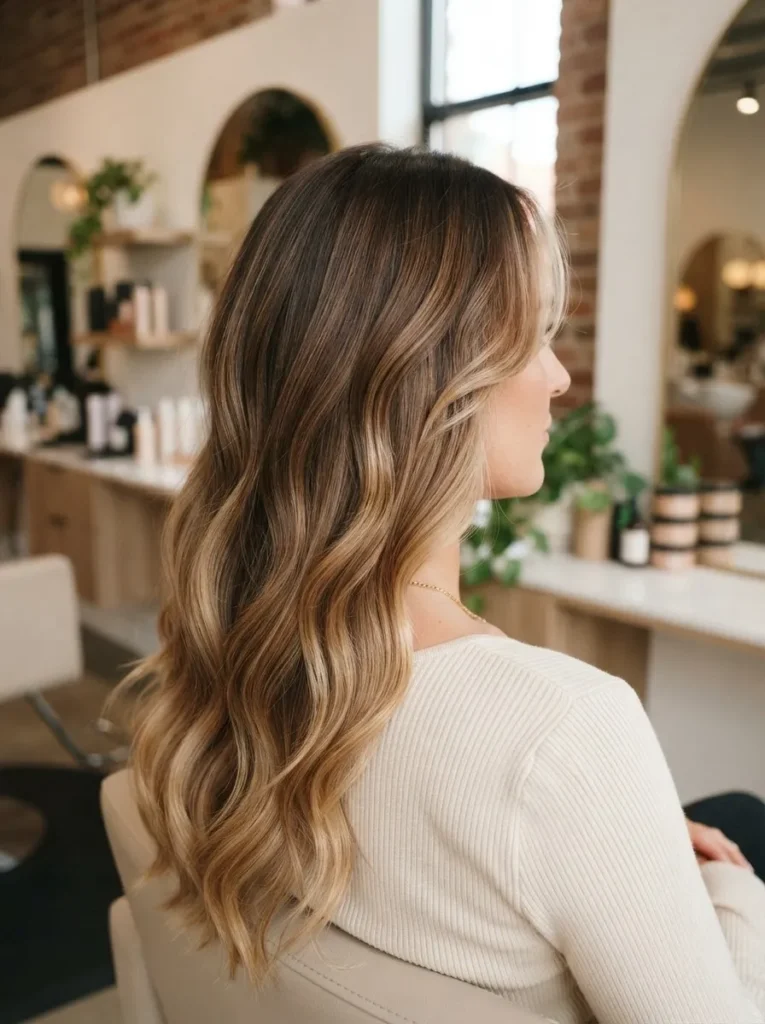
- Maple warmth adds gentle golden richness to a deeper mocha foundation.
- The gradual melt creates a seamless transition from roots to lighter ends.
- The color looks dimensional without requiring a fully lightened hairstyle.
- Natural-looking roots make regrowth easier to manage.
- Toner or gloss can refresh the warmer maple tones as they fade.
Maple mocha melt combines deep mocha brown with soft maple-golden warmth, creating a smooth color transition from darker roots to brighter lengths. The effect is especially useful for brunettes who want seasonal brightness while keeping the overall shade rich. The warmer maple sections can be concentrated around the face and through the ends, while the mocha foundation provides depth underneath. This combination often complements warm and neutral undertones, though the golden intensity can be adjusted. It works beautifully on long layers and loose waves, where movement reveals multiple tones. Darker bases may need controlled pre-lightening before the lighter maple shade becomes visible.
The blended root makes this option relatively practical for anyone who does not want frequent root touch-ups. As new growth appears, the transition remains softer because there is no sharp line between the natural base and lighter color. Outdoor light can bring out the maple glow, while indoor lighting tends to emphasize the deeper mocha tones. If warmth becomes too strong as toner fades, a professional can rebalance it with a gloss or toner. Use color-safe shampoo, regular conditioner, and heat protection to support the lightened sections. A strand test is wise when your hair has previous dye or uneven porosity.
22. Golden Cocoa Brown
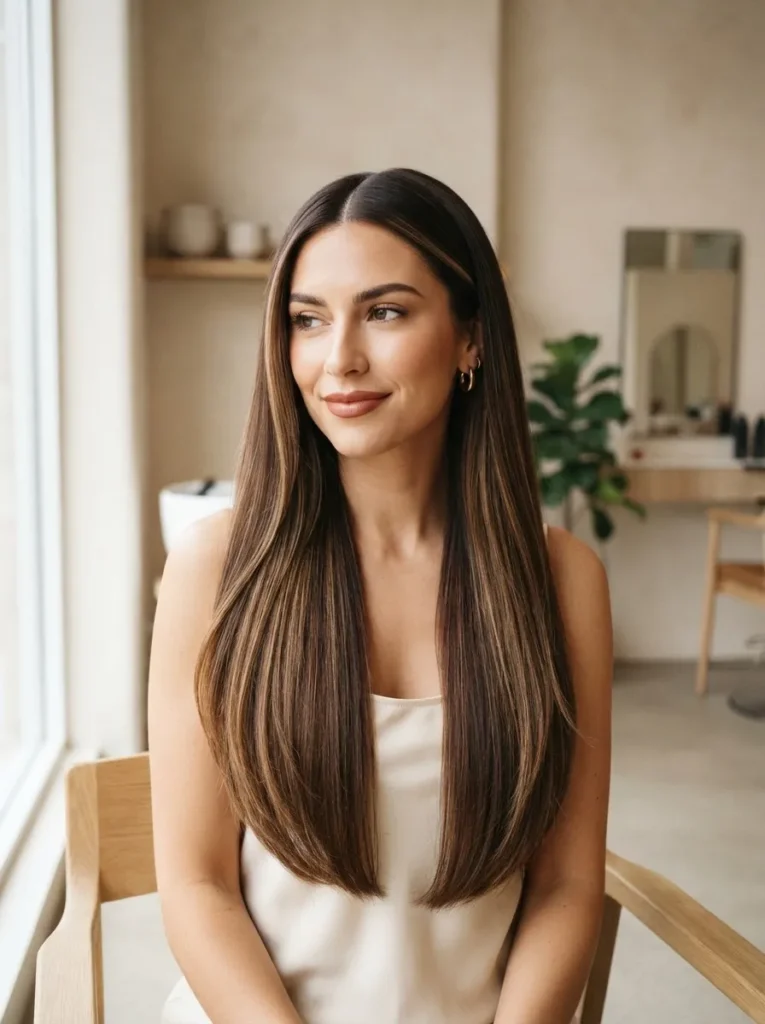
- Golden cocoa tones add subtle brightness while preserving rich brunette depth.
- Fine ribbons create dimension without turning the hairstyle strongly blonde.
- The warm finish can look luminous in daylight and deeper indoors.
- A natural root keeps the grow-out softer and more manageable.
- Occasional glossing can refresh faded golden tones and restore reflective shine.
Golden cocoa brown combines deep cocoa richness with restrained golden-brown highlights for a softly luminous brunette finish. The shade works well when you want brightness that remains close to a natural brown palette. Fine ribbons can be placed through the mids, ends, and around the face, creating contrast without overwhelming the darker foundation. This color often complements warm and neutral undertones, while cooler complexions may suit a more muted golden formula. Medium-brown hair can provide an ideal starting point, while darker bases may require pre-lightening. Straight hair reveals the placement clearly, while waves create more visible movement between tones.
Golden cocoa is versatile enough for everyday styling but still has the dimensional quality that photographs beautifully for spring inspiration. The deeper root reduces the visual impact of regrowth, while lighter sections add brightness around the face and ends. As toner gradually fades, the golden notes may become stronger, particularly if hair is washed frequently. A professional gloss can refresh the tone without repeating the entire coloring service. Use color-safe shampoo, conditioner, and heat protection to preserve the finish. A strand test is worthwhile for previously colored hair, since existing pigment can influence how evenly the golden cocoa tone develops.
Conclusion: Spring Brunette Hair Color Ideas
Finding the right brunette shade can make your spring hair feel refreshed, dimensional, and completely personal. These Spring Brunette Hair Color ideas offer options ranging from subtle cocoa and walnut tones to brighter caramel, honey, and copper-inspired blends.
Consider your natural base, complexion, undertone, previous color, and maintenance routine before choosing your favorite. Some looks may need bleaching, toning, or regular gloss appointments, while others offer an easier grow-out. Save this post on Pinterest, share it with a friend, and take your favorite photos to a professional colorist. Your next salon visit can start with inspiration that feels both beautiful and realistic.