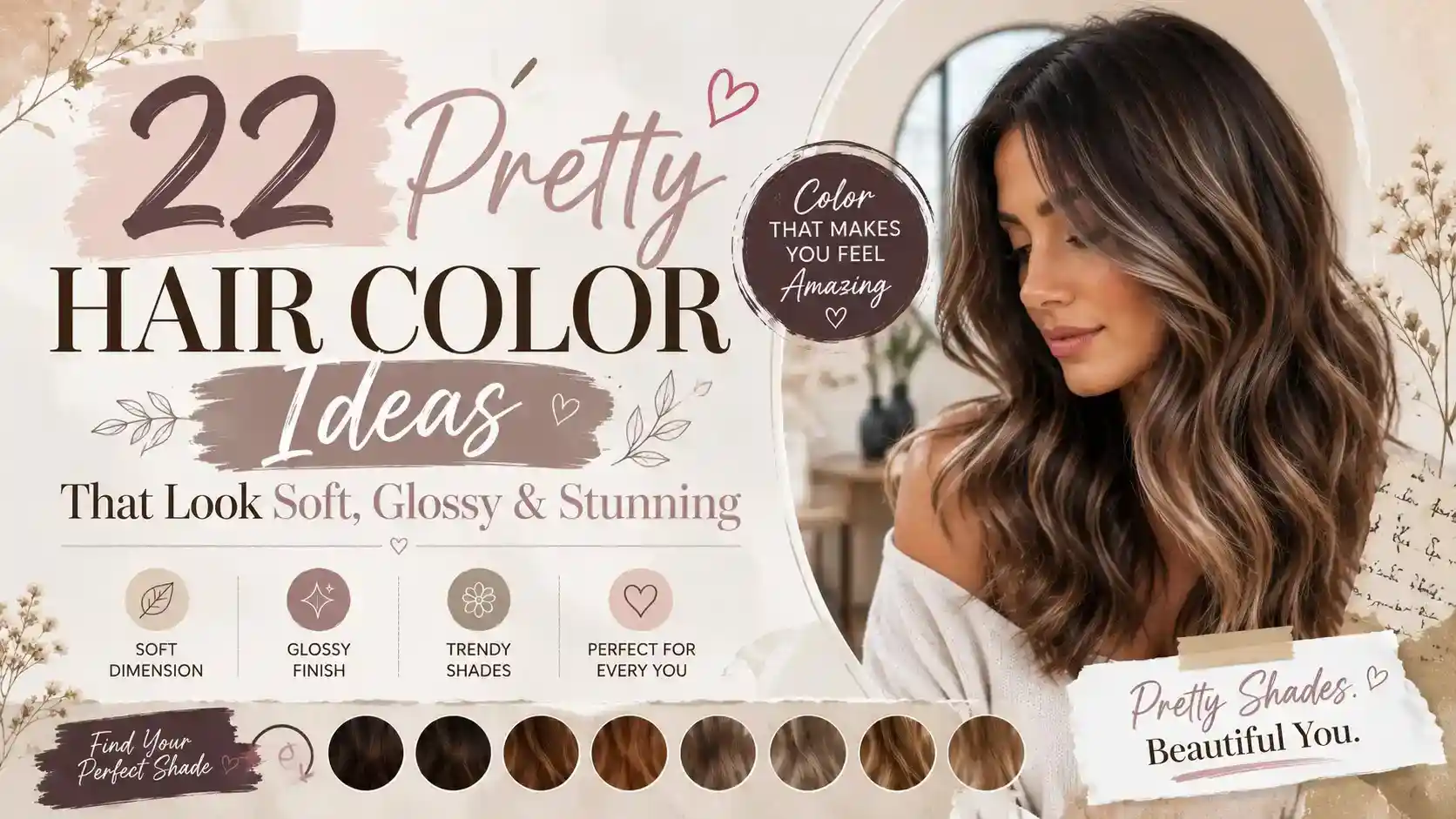
22 Pretty Hair Color Ideas That Look Soft, Glossy & Stunning
Ready for a hair color refresh that looks soft, glossy, and beautifully dimensional? Pretty Hair Color Ideas by Styled Aura can make choosing your next shade feel much easier and more exciting. From warm caramel and rich brunette tones to delicate highlights and brighter transformations, these ideas offer plenty of visual inspiration for different starting hair colors, undertones, lifestyles, and maintenance preferences.
This collection is designed to help you compare subtle and bold options while considering practical concerns such as brassiness, root regrowth, bleaching, and shine. In my experience, the most satisfying color choices are usually the ones that balance the look you love with what your hair can realistically achieve and maintain. Keep these ideas handy for your next salon consultation or future color inspiration.
1. Caramel Balayage
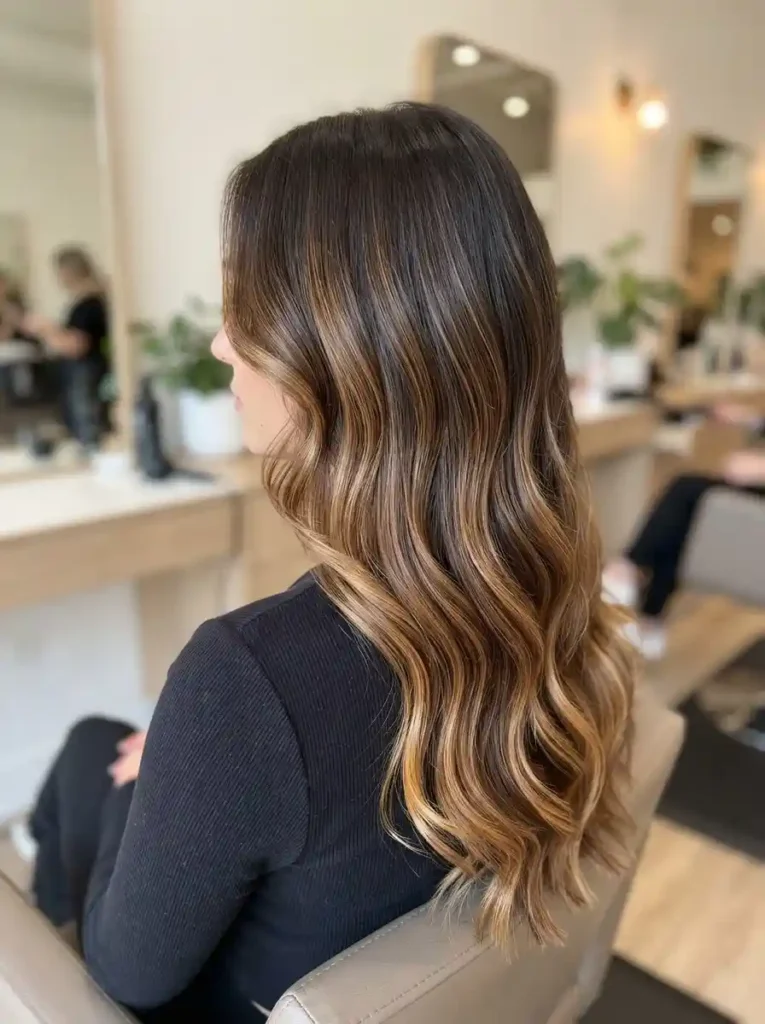
- Warm caramel ribbons add soft dimension to brunette hair.
- Hand-painted placement keeps the roots natural-looking and easier to grow out.
- Wavy or layered hair shows the tonal movement beautifully.
- Maintenance is moderate, with occasional glossing or toning to refresh shine.
- The color can look warmer and more luminous in natural daylight.
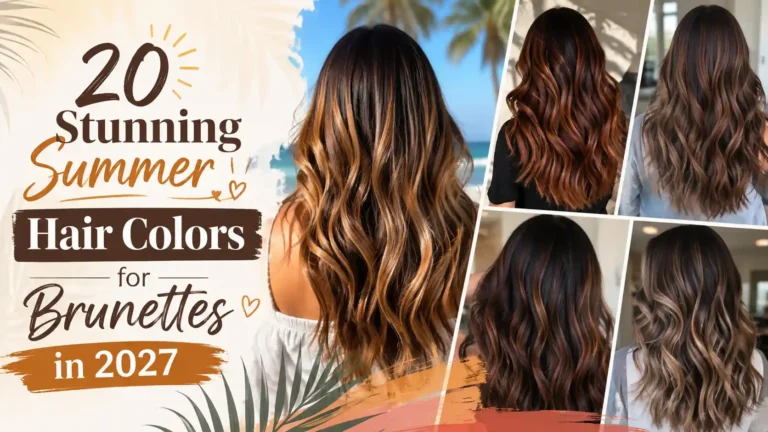
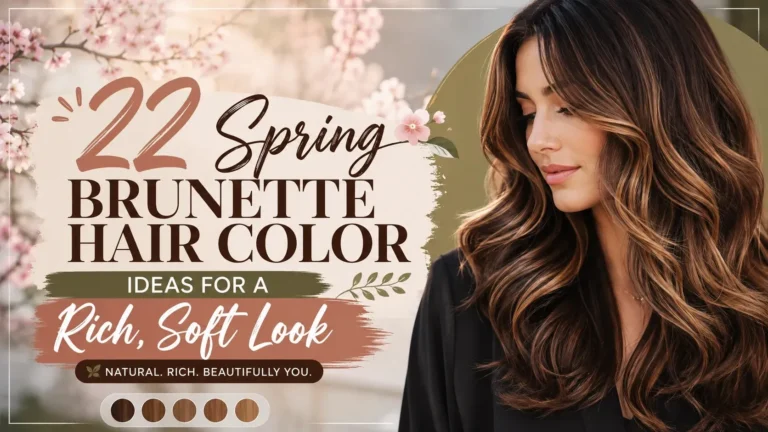
Imagine warm ribbons of caramel catching the light as you move. Caramel balayage brings a soft, dimensional finish to brunette bases without making the change feel too dramatic. The hand-painted placement keeps the roots natural, so regrowth tends to look softer than with traditional all-over color. This shade often complements warm, neutral, and some olive undertones, while a colorist can adjust the caramel level for cooler complexions. On wavy or layered hair, the tones create visible movement and depth. Darker starting colors may need pre-lightening, and occasional glossing helps keep the caramel polished rather than dull or brassy.
A subtle sweep of caramel can make brown hair look instantly richer and more luminous. The brightest pieces usually sit through the mid-lengths and ends, creating a gradual transition instead of a harsh stripe. I’ve noticed this technique works especially well for people who want noticeable dimension while keeping their natural roots intact. Straight hair shows the blended placement clearly, while waves make the tonal variation look especially soft. Expect some fading over time, particularly after frequent washing or heat styling. Use color-safe shampoo, heat protection, and regular conditioning, with a toner or gloss refresh when the warmth becomes uneven.
2. Honey Blonde Highlights
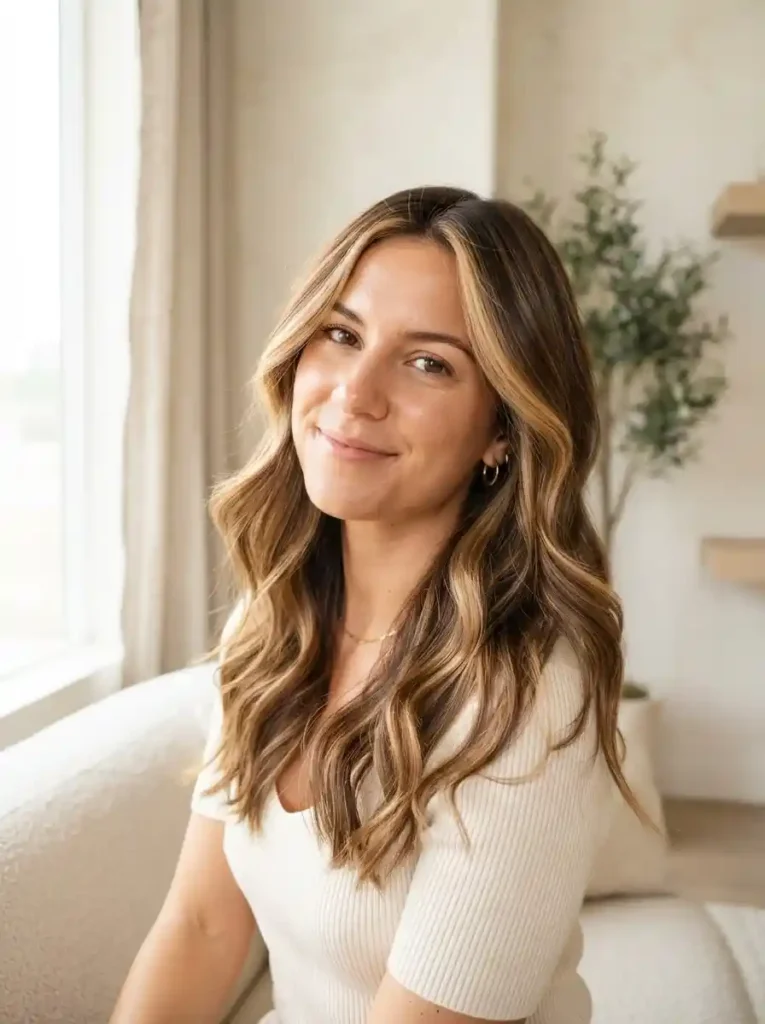
- Golden strands brighten a brunette base without covering it completely.
- Face-framing pieces can draw attention toward the eyes and cheekbones.
- Fine highlights through the crown create a balanced, dimensional finish.
- The look can be adapted from subtle to noticeably brighter.
- Lightened sections need conditioning and protection from excessive heat.
Picture a deep brunette base melting into creamy honey ribbons around the face and through the lengths. Honey blonde highlights add brightness without turning the entire head blonde, making them a flexible option for medium or dark brown hair. Face-framing pieces can emphasize the eyes and cheekbones, while finer highlights throughout the crown keep the finish balanced. This look may suit warm or neutral undertones especially well, although a colorist can soften the honey tone for other tones. Because the highlights are lightened, dryness is possible, so deep conditioning matters. Toning may be needed when unwanted brassiness appears.
Golden strands can give brunette hair a sunlit finish that looks especially beautiful outdoors. Honey highlights create contrast while preserving enough of the darker base to keep the style grounded and wearable. They can be placed more delicately for a professional setting or made brighter around the face for a stronger Pinterest-inspired effect. The final result depends heavily on your starting shade, previous color, and hair condition. If your hair is naturally very dark, reaching a clean honey level may require several sessions rather than one appointment. I’ve seen gloss treatments make this look noticeably smoother and shinier between appointments.
3. Cherry Cola Brunette
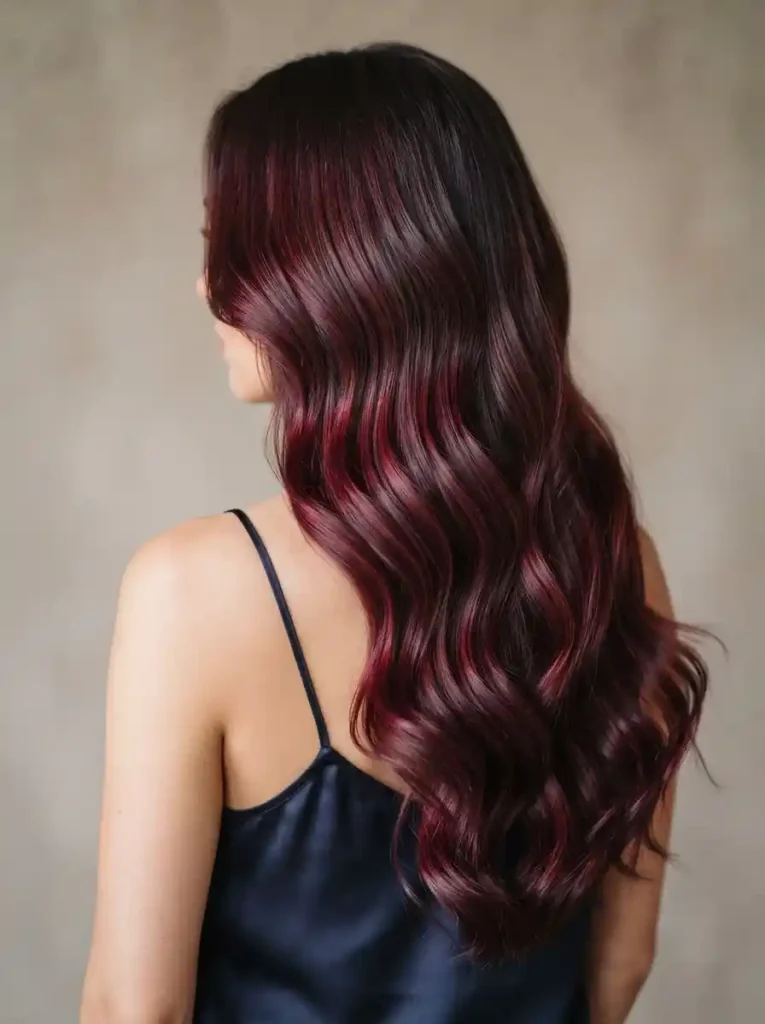
- Deep brunette tones blend with burgundy and subtle red-violet ribbons.
- The color can look brown indoors and more wine-toned in daylight.
- Darker roots help create a softer grow-out.
- It often works well on medium to deep brown starting shades.
- Red pigments require careful washing and regular conditioning to stay rich.
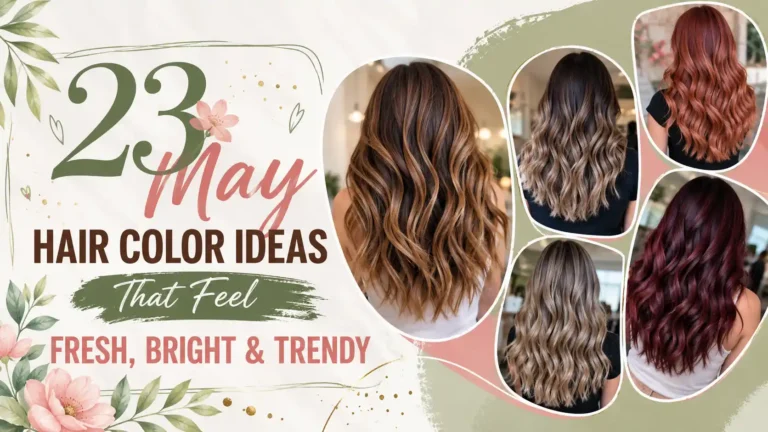
Rich cherry tones over a brunette base create a moody red finish that changes beautifully with the lighting. Cherry cola brunette combines deep brown, burgundy, and red-violet tones, giving the hair dimension without looking like a bright fantasy shade. It can be especially appealing on medium to deep brown bases because less dramatic lightening may be necessary. Straight, wavy, and curly textures show the color differently as the red catches individual strands. The shade may flatter neutral, cool, or deeper warm undertones depending on the formula. Expect fading, so cool water and color-safe products help preserve the richness and shine.
A cherry cola gloss can look almost brown indoors, then reveal a soft wine-red sheen in daylight. That shifting effect makes the color feel sophisticated rather than overly vivid, especially when the darker root remains untouched. This option may work well for someone wanting a seasonal update without committing to a bright red transformation. In my experience, red pigments can fade faster than many brunette tones, so washing less often and using cooler water can make a noticeable difference. A tinted gloss can refresh the tone between salon visits, while regular conditioning helps keep the finish smooth and reflective.
4. Mushroom Blonde Balayage
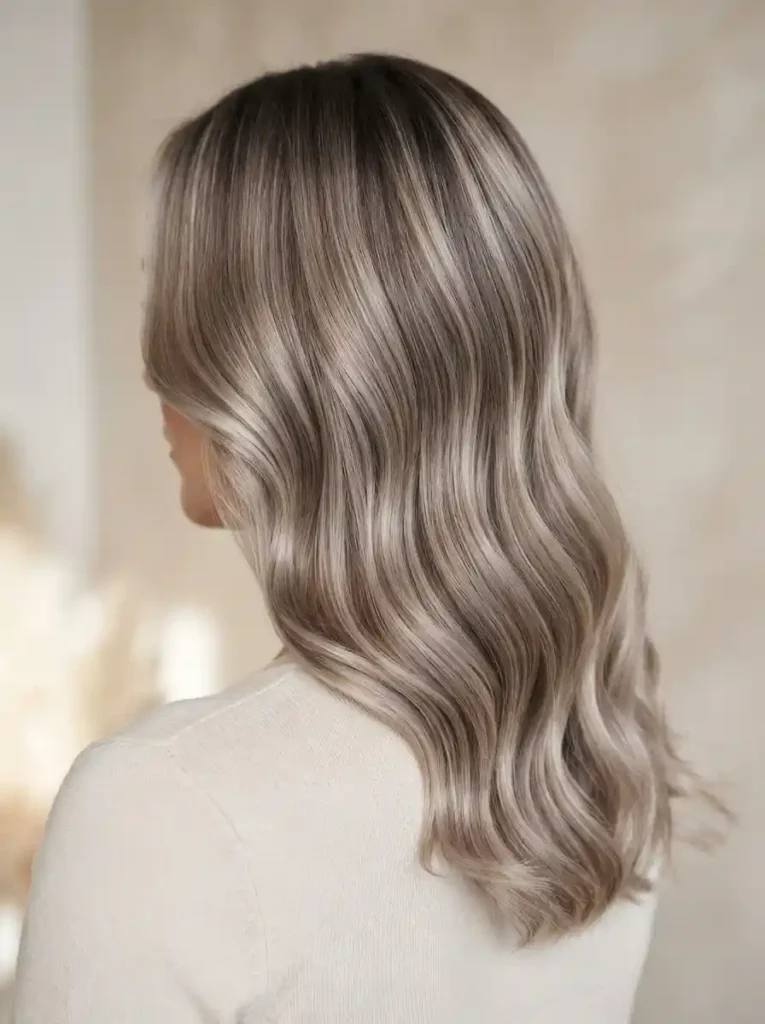
- Cool beige ribbons create soft contrast against darker roots.
- Taupe and muted brown tones give blonde hair a sophisticated finish.
- The darker root makes regrowth less obvious than an all-over blonde.
- Straight, wavy, and layered textures can all show the dimensional tones.
- Regular toning helps prevent unwanted yellow or brassy warmth.
Soft ribbons of beige blonde can make brown hair look brighter without losing its natural depth. Mushroom blonde balayage blends cool beige, taupe, and muted brown tones through the lengths, creating a polished color that feels understated rather than icy. This shade often complements neutral and cool undertones, while a colorist can adjust the warmth. It works beautifully on straight, wavy, or layered hair because the subtle contrast becomes visible as the hair moves. Darker bases usually require pre-lightening, so strand testing is wise before committing. A toner and gloss may be needed regularly to maintain the balanced beige finish.
Mushroom blonde is especially appealing when you want dimension that looks sophisticated instead of obviously highlighted. The darker root keeps the transition soft, while beige ribbons around the mid-lengths and ends add gentle brightness. The final tone depends on your starting color, previous dye, and how your hair lifts, so a professional consultation can prevent unwanted yellow or orange results. I’ve noticed it looks refined in soft daylight, where the taupe tones become easier to see. Use purple shampoo sparingly when brassiness appears, plus a moisturizing mask and heat protectant to help lightened strands stay healthy.
5. Cocoa-brown
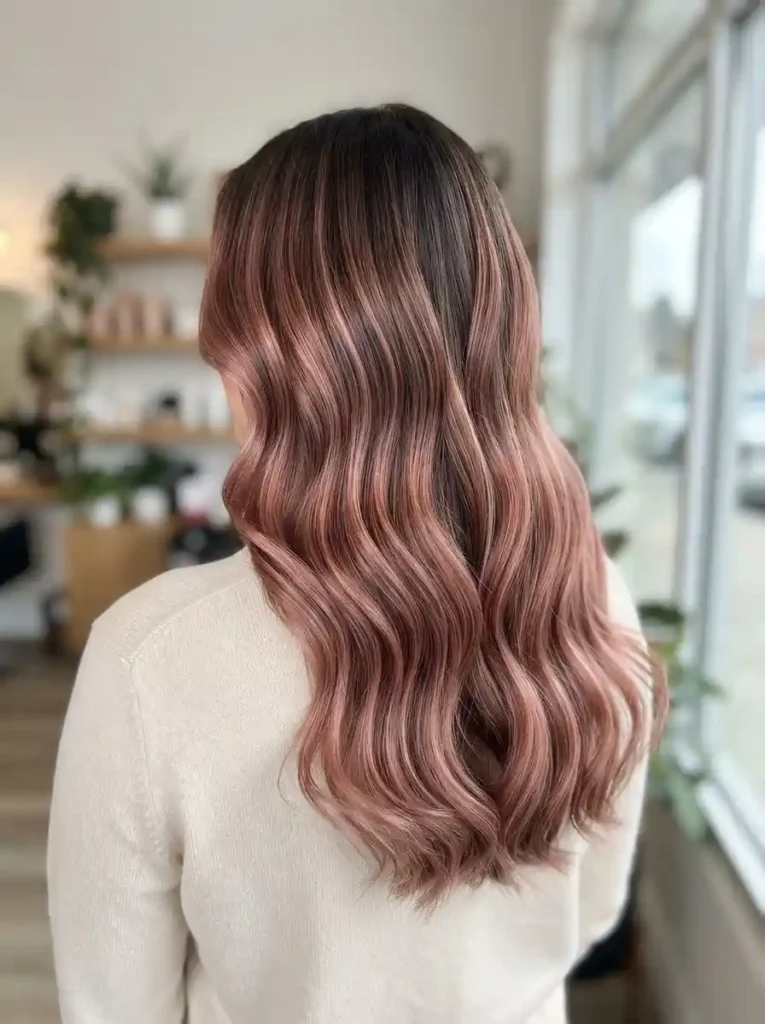
- Cocoa-brown roots keep the look grounded and naturally dimensional.
- Muted rosy ribbons add a subtle blush without looking neon.
- Face-framing placement can make the color more noticeable.
- Waves reveal beautiful movement between the brown and rosy tones.
- A gloss can refresh faded pigment and restore reflective shine.
A glossy chocolate base paired with subtle rose-brown ribbons creates a romantic color without becoming bright pink. Rose brown balayage mixes cocoa, muted rosy tones, and soft beige highlights, giving brunette hair a gentle flush of color. It may suit medium to deep brown bases because the darker base provides contrast. Neutral and warm undertones can often carry the rosy warmth beautifully, while cooler formulas can be requested for a softer result. Some pre-lightening may be necessary for the rose tones to show clearly. A gloss helps keep the finish reflective and prevents the color from looking flat.
Rose brown is a lovely choice when you want something noticeably different but still wearable for everyday life. Rosy pieces can sit near the face or scatter through the lengths, depending on how visible you want the effect. On waves, the color creates movement as each ribbon catches the light; on straight hair, the placement appears cleaner and more graphic. The rosy pigment will gradually soften with washing, so color-safe shampoo and cooler water are helpful. If your hair feels dry after lightening, prioritize deep conditioning and reduce excessive heat. A salon gloss can restore shine between larger color appointments.
6. Copper Auburn Blend
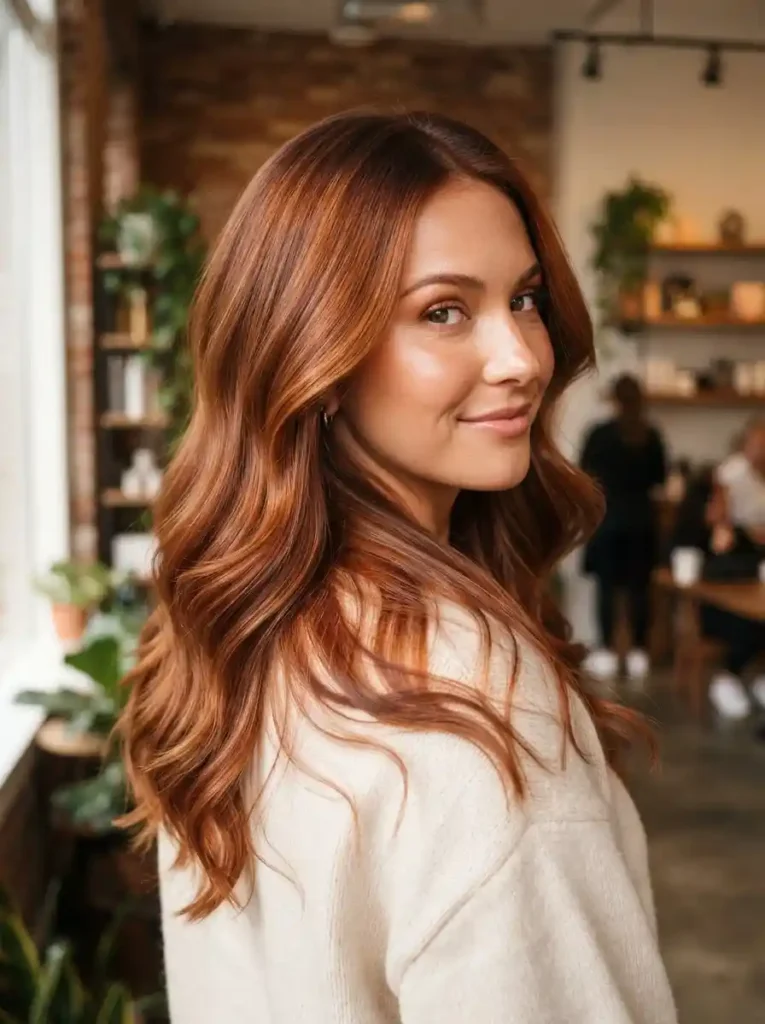
- Golden copper pieces add warmth and visible dimension to auburn hair.
- Deeper roots keep the result rich instead of overly bright.
- Waves and layers make the copper ribbons especially noticeable.
- The shade can be adjusted from subtle copper to a stronger fiery finish.
- Red-based pigments need gentle washing to help preserve vibrancy.
Warm copper pieces woven through an auburn base create a fiery but wearable finish with depth. Copper auburn blend combines earthy red, golden copper, and deeper auburn tones, so the result looks multidimensional instead of one-note. This shade often complements warm and neutral undertones, although the copper intensity can be adjusted for a softer effect. It suits medium, long, or layered hair, with waves making the tonal shifts noticeable. Depending on your natural color, pre-lightening may not be necessary, but darker bases may need it. Red and copper pigments can fade quickly, making gentle washing and gloss treatments useful.
Copper auburn can look surprisingly different under changing light, appearing deeper and more brunette indoors before revealing brighter copper outdoors. That versatility suits anyone wanting warmth without choosing an intensely orange shade. I’ve seen this blend work beautifully when the brightest copper is placed around the face and through selected layers rather than everywhere. Because red-based colors can lose vibrancy with frequent shampooing, wash less often when practical and choose products made for colored hair. Heat protection is also important, especially on lightened ends. Refreshing the gloss every few weeks can restore richness and shine.
7. Espresso Mocha Melt
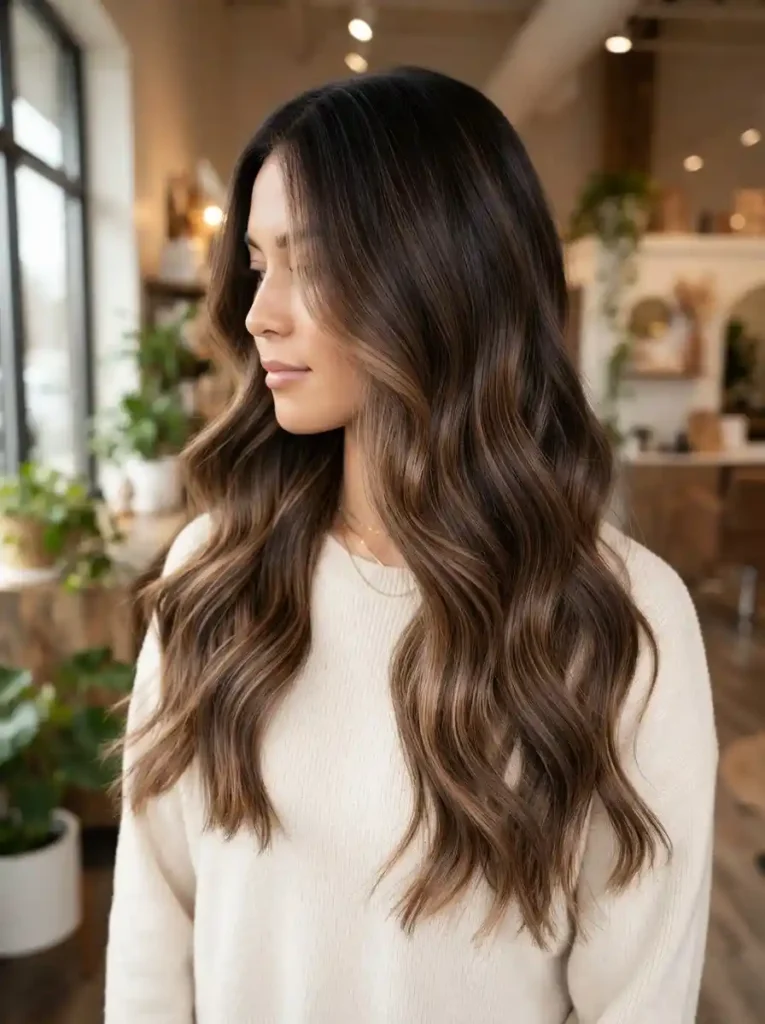
- Deep espresso roots create a rich, polished foundation.
- Mocha ribbons add subtle warmth without overpowering the brunette base.
- The gradual melt makes regrowth softer and less noticeable.
- It works beautifully on sleek, wavy, or softly layered hair.
- A gloss can enhance the reflective finish and keep the brown tones rich.
Deep espresso roots melting into soft mocha lengths create a glossy brunette look with effortless depth. This color combines dark coffee brown with subtle neutral-warm mocha ribbons, giving the hair dimension without making the contrast feel harsh. It may work especially well for naturally medium to dark brown hair because the transition can remain close to the existing base. Neutral and warm undertones often complement these shades, while a colorist can cool the formula when needed. Because the color stays relatively close to brunette, bleaching may be minimal or unnecessary, depending on your starting shade and desired brightness.
The beauty of an espresso mocha melt is how softly the colors transition from root to tip. Instead of obvious highlights, the lighter mocha tones appear gradually through the mid-lengths and ends, creating movement when the hair catches natural light. Straight hair can make the melt look sleek and precise, while waves emphasize its blended dimension. I’ve noticed darker brunettes often appreciate this approach because it adds visible richness without requiring a dramatic transformation. To maintain the glossy finish, use color-safe shampoo, protect the hair from heat, and consider a clear or tinted salon gloss when the brown begins looking dull.
8. Beige Blonde Melt
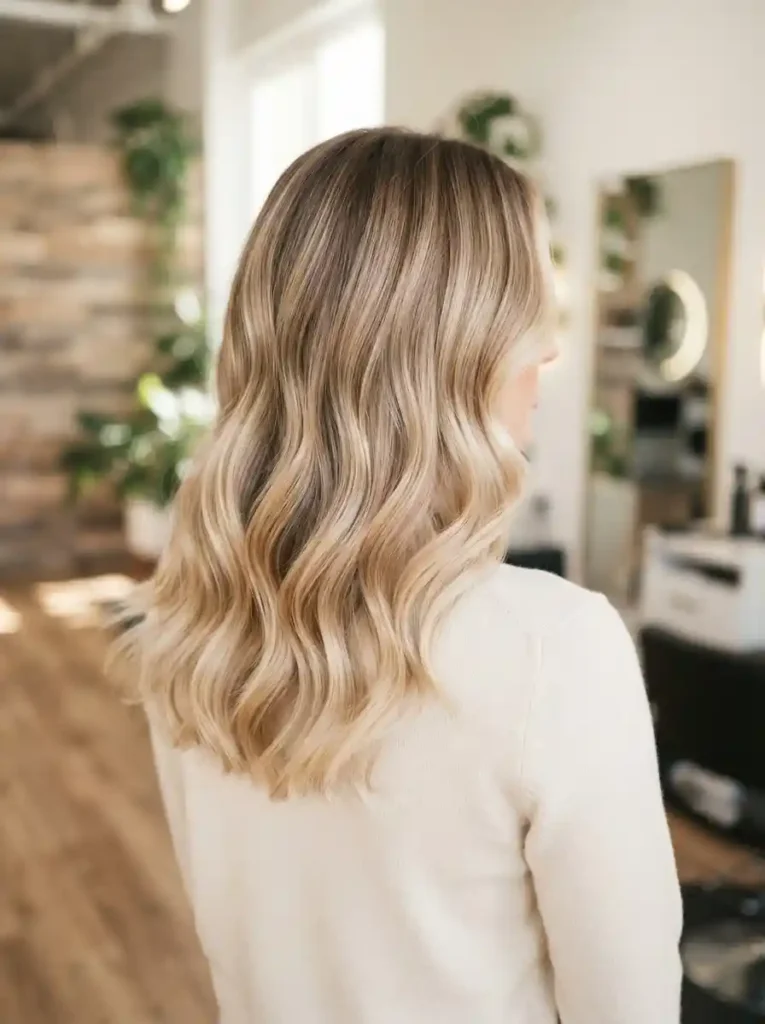
- Soft beige blonde creates brightness without an overly icy finish.
- A natural-looking root keeps the transition gentle and wearable.
- Neutral tones can balance excessive yellow or golden warmth.
- Long layers help showcase the gradual movement between shades.
- Lightened sections need regular conditioning and occasional toning.
Creamy beige lengths fading from a natural darker root create a soft blonde finish that feels polished and balanced. Beige blonde melt combines neutral blonde, subtle golden undertones, and a slightly deeper root, avoiding the stark contrast of traditional platinum coloring. It may complement neutral and warm complexions particularly well, while a colorist can adjust the formula to control excessive warmth. The technique suits medium to long hair, especially layered styles that reveal the gradual transition. Darker starting shades generally require pre-lightening, sometimes across multiple sessions. Purple shampoo can help manage yellow tones, but overuse may make beige blonde appear dull or overly cool.
A beige blonde melt gives you brightness while preserving enough depth near the scalp to keep the color visually soft. The lighter ends can look creamy in daylight and slightly warmer under indoor lighting, making the shade feel naturally dimensional. The final result depends on your starting color, previous treatments, and hair condition, so a strand test is useful when significant lightening is involved. Because blonde ends are more vulnerable to dryness, deep conditioning and heat protection should become part of your routine. A toner or gloss can refresh the beige balance as it fades, especially after several weeks of regular washing.
9. Soft Black Gloss
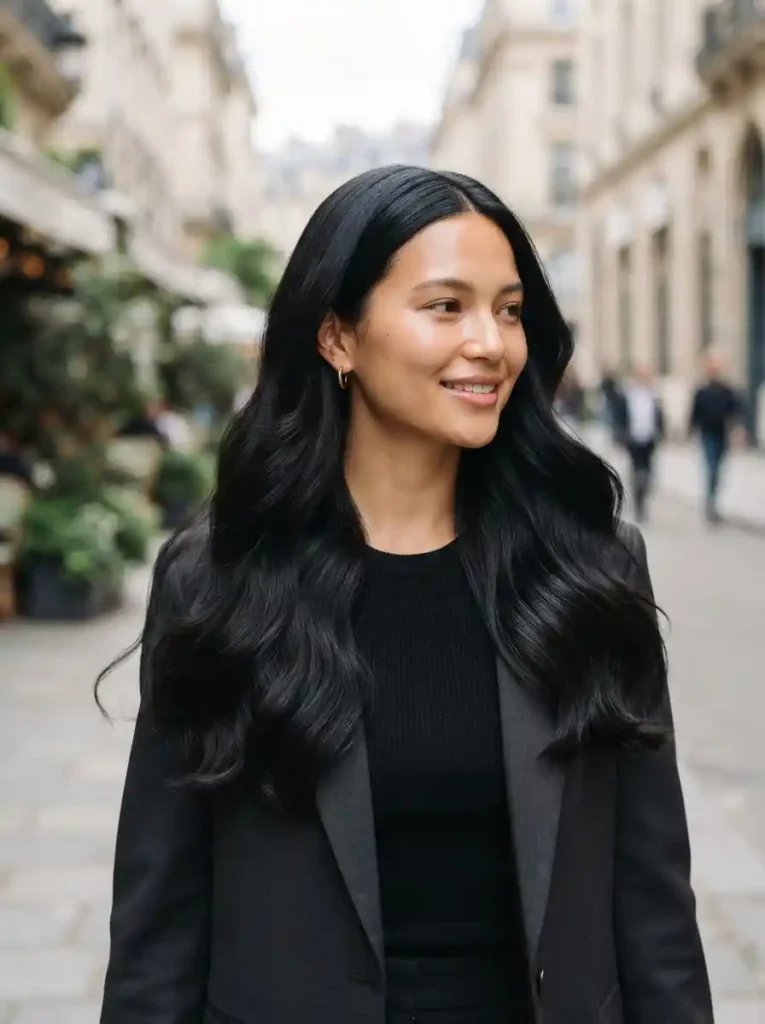
- Glossy black hair creates a sleek, reflective appearance.
- A softened black formula avoids the harshness of extremely blue-black color.
- It can make naturally dark hair appear richer and more polished.
- Sleek and straight styling emphasizes the mirror-like shine.
- Gloss treatments can refresh faded depth without dramatically changing the base.
A soft black gloss gives naturally dark hair a polished, mirror-like finish without the severe look that some blue-black shades can create. The formula usually combines deep neutral black with subtle brown undertones, allowing the color to remain rich and dimensional under different lighting. It may suit a range of undertones because the finish can be customized warmer or cooler by a professional colorist. Naturally black or very dark brown hair may need little or no lightening, making this a comparatively low-maintenance option. A gloss can enhance shine, while gentle cleansing helps prevent the surface from becoming dry or lackluster.
Soft black looks particularly striking when the hair is smooth, healthy, and reflective, but the color can also add depth to waves and curls. In daylight, subtle brown undertones may become visible, while indoor lighting can make the shade appear dramatically deeper. This makes it useful for someone who wants a refined change without obvious highlights. Keep in mind that dark permanent color can be difficult to remove later, so consider a semi-permanent gloss if you are unsure about committing. Color-safe shampoo, regular conditioning, and heat protection help preserve the glossy appearance and minimize dryness.
10. Honey Brown Highlights
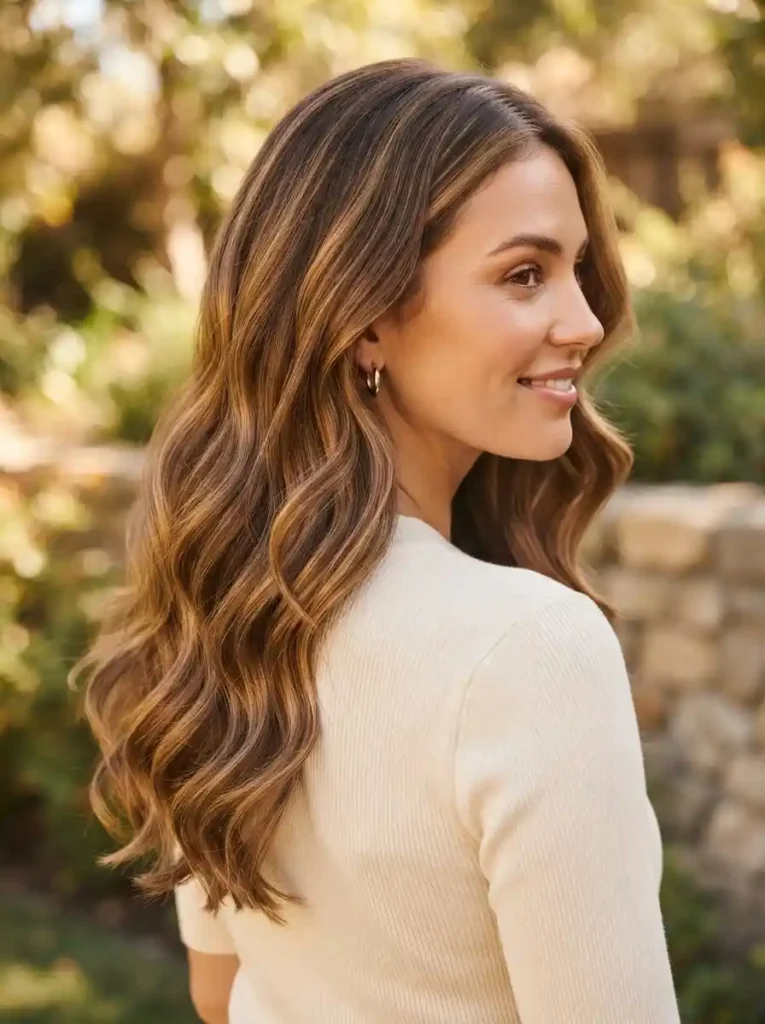
- Golden ribbons add soft brightness to a medium brown base.
- Caramel and beige tones create natural-looking dimension.
- Face-framing pieces can make the complexion appear more luminous.
- Wavy and layered hair show the color movement beautifully.
- Maintenance is moderate, with occasional glossing to refresh shine.
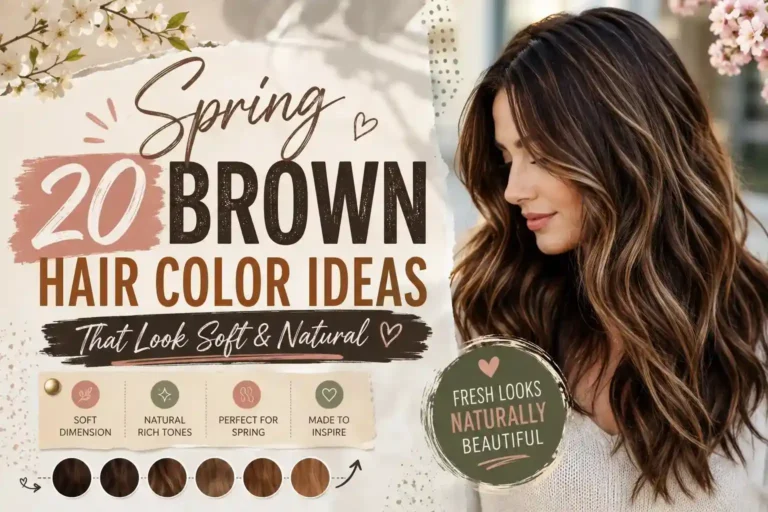
Golden ribbons woven through a medium brown base can make the hair look softly sunlit without losing its natural depth. Honey brown highlights combine warm beige, golden caramel, and chocolate tones, creating gentle contrast that works especially well with layered or wavy styles. This shade often complements warm and neutral undertones, while cooler golden formulas can be customized for other complexions. Medium brown starting colors may need only modest lightening, but darker hair could require pre-lightening. A colorist can adjust placement around the face for more brightness. Gloss treatments help keep the highlights smooth, shiny, and fresh.
Honey brown highlights are easy to personalize because the brightness can range from barely noticeable ribbons to stronger pieces around the face. In natural daylight, the golden tones become more visible, while indoor lighting usually makes the color look deeper and more brunette. I’ve noticed this option suits people who want dimension without committing to a full blonde transformation. Because lighter sections can become dry, use a moisturizing mask regularly and apply heat protectant before styling. Wash with color-safe products and avoid very hot water when possible. A toner or gloss can refresh warmth if the highlights begin looking faded or uneven.
11. Cinnamon Brown Glaze
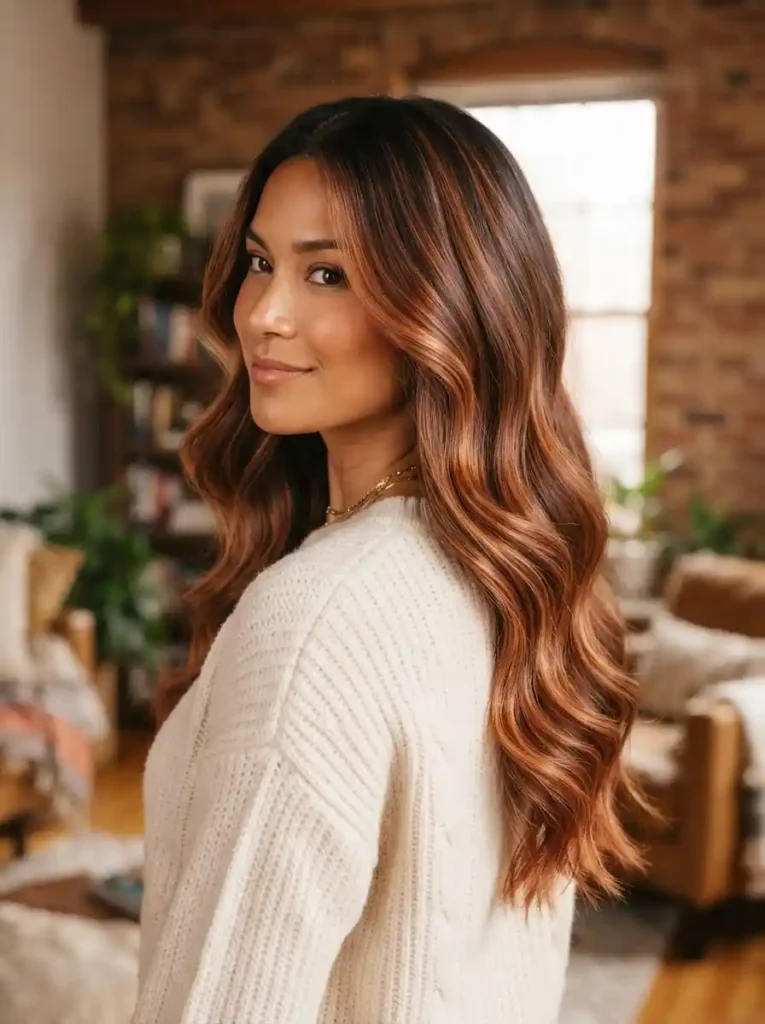
- Cinnamon tones add warmth without overwhelming the brunette base.
- Copper and auburn hints create beautiful tonal movement.
- The glaze technique gives a softer, blended appearance.
- Waves and curls reveal the warm dimension especially well.
- Red-based pigments require gentle washing to help preserve vibrancy.
A cinnamon glaze adds a warm, spiced glow to brunette hair while keeping the color grounded and wearable. This look blends medium brown with copper, cinnamon, and subtle auburn tones, creating dimension that becomes more noticeable as the hair moves. It may work especially well for warm or neutral undertones, although a colorist can reduce the copper intensity for a more balanced finish. On naturally medium brown hair, a glaze may require little lightening, while darker bases may need pre-lightening for visible warmth. Wavy and curly textures can reveal the tonal variation beautifully, especially around layered ends and face-framing pieces.
Cinnamon tones can look brown inside and reveal a richer copper glow when sunlight hits the hair, making this an appealing choice for seasonal color changes. The glaze technique keeps the transition gentle, so it can feel less demanding than a fully lightened copper transformation. Warm red and copper pigments gradually fade, especially with frequent shampooing. Use color-safe shampoo, cooler water, and regular conditioning to preserve the tone. A tinted gloss can revive the cinnamon finish between appointments. If your hair has previous color or uneven porosity, a professional consultation and strand test can help create a more even result.
12. Cocoa Ash Highlights
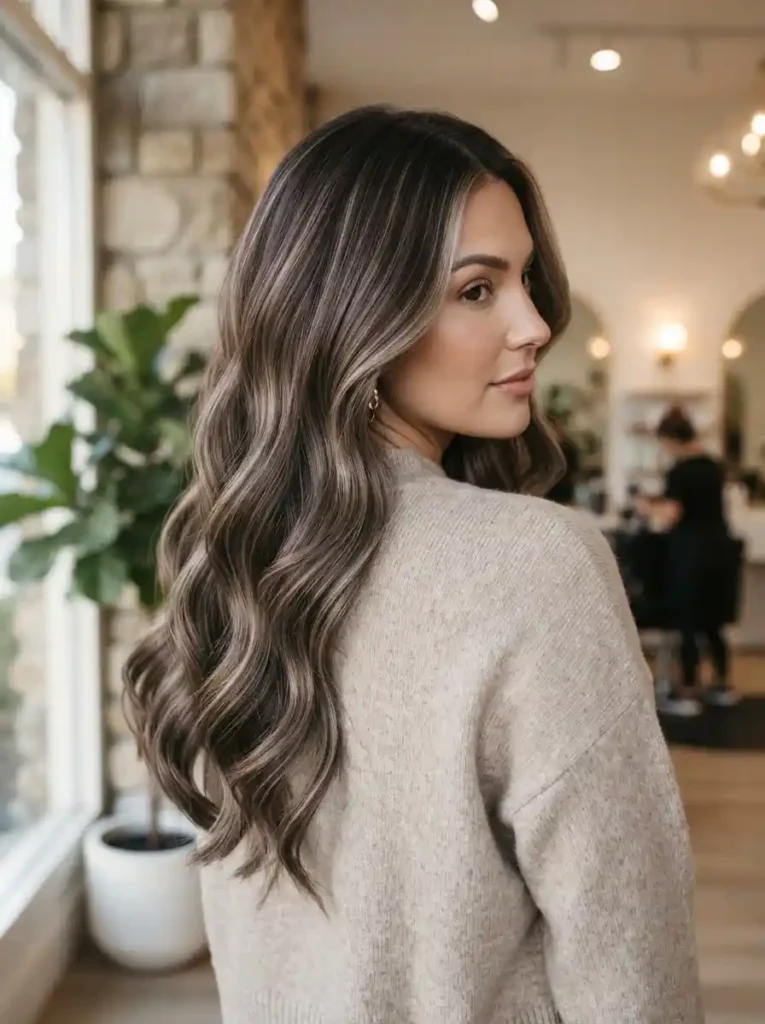
- Cool cocoa ribbons give brunette hair subtle, polished dimension.
- Ash-beige pieces reduce the appearance of excessive golden warmth.
- The contrast stays soft rather than looking dramatically highlighted.
- Straight hair shows the placement clearly, while waves add movement.
- Occasional toning helps maintain the muted, cool finish.
Cool cocoa ribbons give brunette hair a polished lift while keeping the color deep, soft, and sophisticated. This shade combines neutral chocolate brown with subtle ash-beige pieces, creating contrast without the obvious warmth found in caramel or copper tones. It may complement neutral and cool undertones particularly well, while a colorist can add slight warmth if your complexion needs balance. The technique works nicely on straight hair because the ribbons appear clean and refined, while waves create softer movement. Darker natural hair may require selective lightening, and a toner can help maintain the muted cocoa tone as warmer pigments emerge.
Cocoa ash highlights are a practical choice when you want brunette dimension without a strongly golden finish. The lighter ribbons can be concentrated around the face, scattered through the crown, or placed through the ends for a quieter result. I’ve seen this approach work on medium to dark brown hair when the goal is subtle contrast rather than dramatic brightness. Ash tones can become dull if over-toned, so purple or blue shampoo should be used only when needed. Regular conditioning, heat protection, and an occasional gloss can keep the highlighted sections smooth while maintaining the cool, blended appearance.
13. Face-Framing Blonde
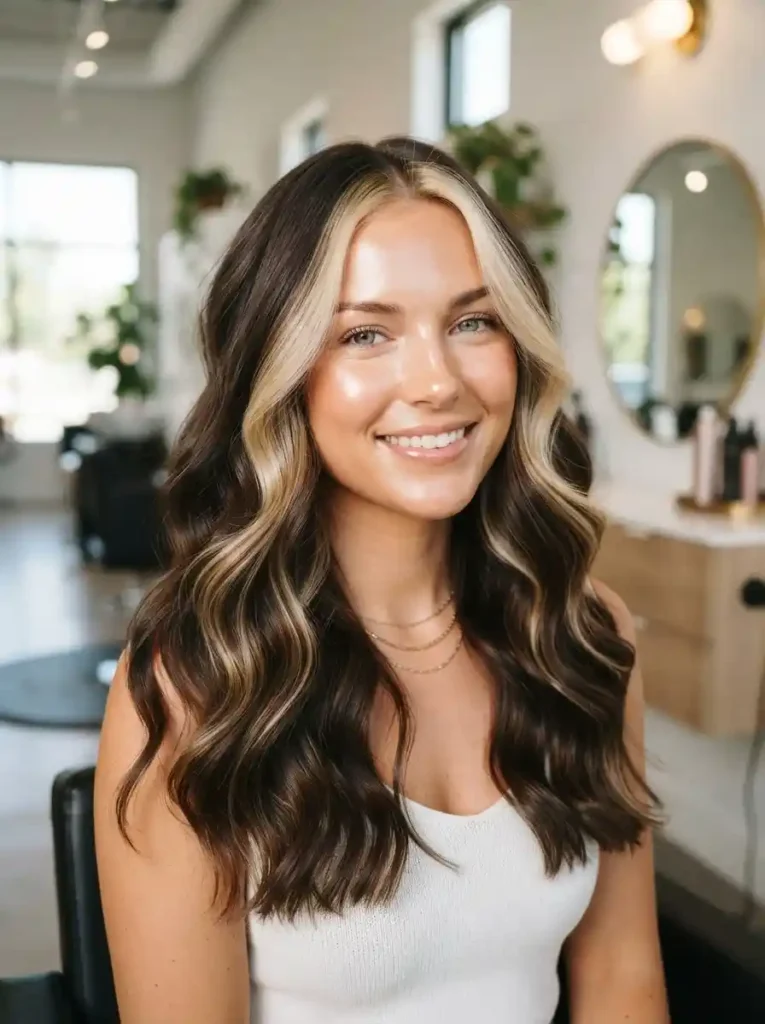
- Bright blonde pieces draw attention toward the eyes and cheekbones.
- Fine ribbons create a subtle effect, while thicker pieces feel bolder.
- The technique works beautifully with brunette and dark blonde bases.
- Placement can be customized for different hair lengths and face shapes.
- Lightened strands need toner, conditioning, and reliable heat protection.
A soft ribbon of blonde around the face can instantly brighten a brunette look without taking over the entire style. Face-framing blonde combines lighter beige, honey, or creamy blonde pieces with a deeper natural base, creating focused contrast near the eyes and cheekbones. This placement may suit many complexions because the tone can be customized warmer or cooler. Medium to long hair gives the pieces room to blend naturally, while shorter cuts can make the effect more noticeable. Darker hair may need pre-lightening, and a colorist should assess previous color before choosing the lifting strength and toner.
Face-framing blonde is ideal when you want a visible change but do not want highlights covering your whole head. The brighter pieces catch sunlight strongly, while indoor lighting can make the surrounding brunette or blonde base appear softer and deeper. I’ve noticed placement matters just as much as shade; thicker pieces create a bolder statement, while fine ribbons look more natural and easier to grow out. Lightened strands can become dry, so use conditioner, heat protection, and color-safe shampoo consistently. Toner may need refreshing every several weeks, particularly when yellow or brassy tones begin showing through.
14. Blonde Ombré
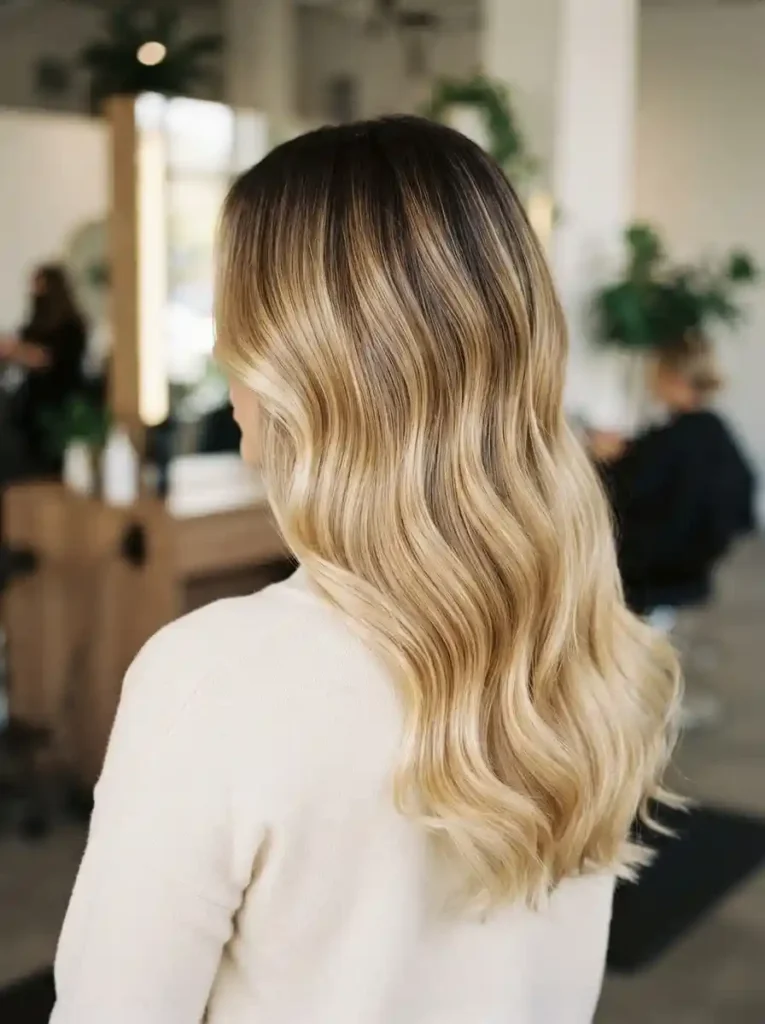
- Gradual brightness creates a smooth transition from darker roots to lighter ends.
- The technique gives long hair a flowing, dimensional appearance.
- Natural roots make regrowth less noticeable than full-root blonde.
- Waves emphasize the gradient, while straight hair shows precise blending.
- Blonde ends require extra moisture and regular toning.
A creamy blonde flowing into a warm brunette base creates the soft, blended effect many people want from a modern ombré. This technique keeps the root deeper while gradually increasing brightness toward the mid-lengths and ends, giving long hair a smooth transition. It may complement warm or neutral undertones when the blonde is slightly golden, while beige formulas can create a more balanced finish. The final result depends on your starting shade and previous color history. Dark hair usually requires pre-lightening, and reaching a clean blonde may take more than one appointment to protect hair quality.
Blonde ombré looks especially striking on long waves because the lighter ends move independently and catch the light, creating a flowing gradient. Straight hair shows the transition more clearly, so a careful blend is important to avoid a visible line between shades. In my experience, keeping the root close to the natural color makes this technique easier to live with as it grows out. The ends still need attention because they receive the most lightening. Use a nourishing mask weekly, protect against heat, and schedule toner or gloss appointments when the blonde becomes dull, yellow, or uneven.
15. Chocolate Caramel Blend
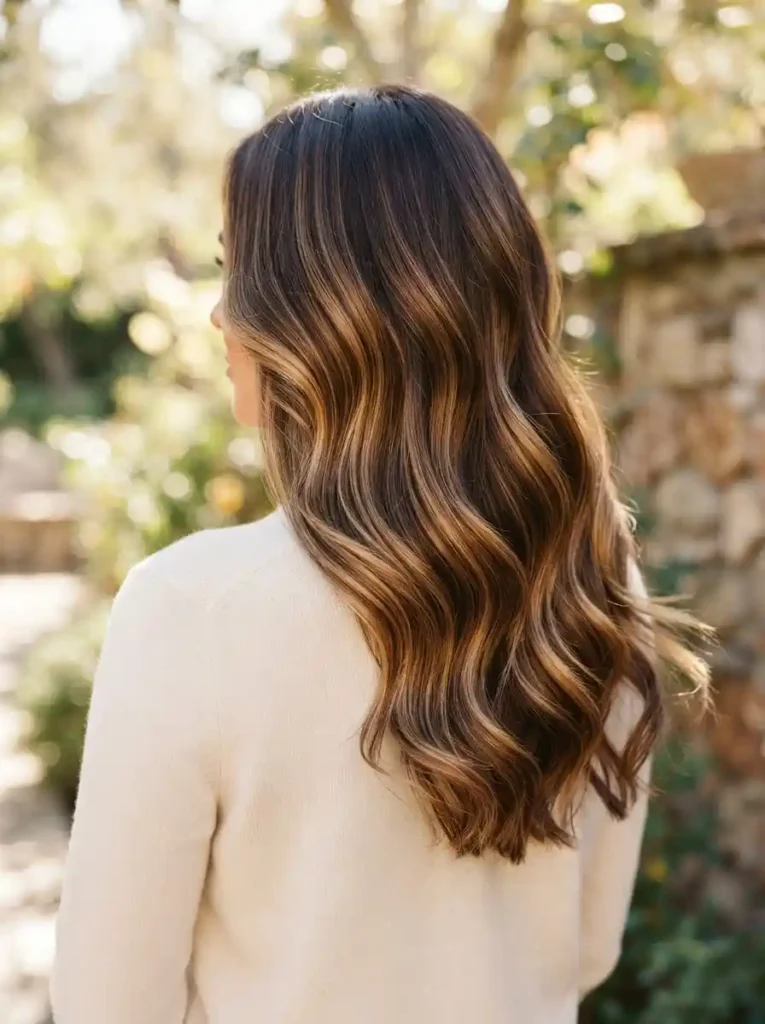
- Cocoa and caramel tones create rich, noticeable dimension.
- Golden ribbons can brighten the face without covering the whole base.
- The combination looks especially beautiful through waves and layered ends.
- Darker roots help soften the appearance of new growth.
- Occasional glossing keeps the caramel sections shiny and refreshed.
A rich chocolate base paired with subtle golden ribbons creates a glossy brunette finish that feels warm without becoming overly bright. Chocolate caramel blend combines deep cocoa, medium brown, and soft caramel tones through selected sections, giving the hair visible dimension and movement. It may work especially well for warm and neutral undertones, although the caramel can be adjusted for a softer contrast. Naturally medium or dark brown hair can provide a strong starting point, but the final brightness depends on previous color and hair condition. Selective lightening may be needed before adding the caramel tone.
Chocolate caramel hair is especially flattering when the lighter ribbons are concentrated around the face and through the lower layers. Natural daylight reveals the golden contrast, while indoor lighting often makes the overall shade look richer and deeper. I’ve noticed this combination works beautifully on waves because each bend catches a different tone, but sleek hair can make the placement look polished and precise. Since caramel sections are lightened, dryness and fading are possible. Use color-safe shampoo, regular deep conditioning, and heat protection, then refresh the tone with a gloss when the highlights lose their shine.
16. Toffee Brown Balayage
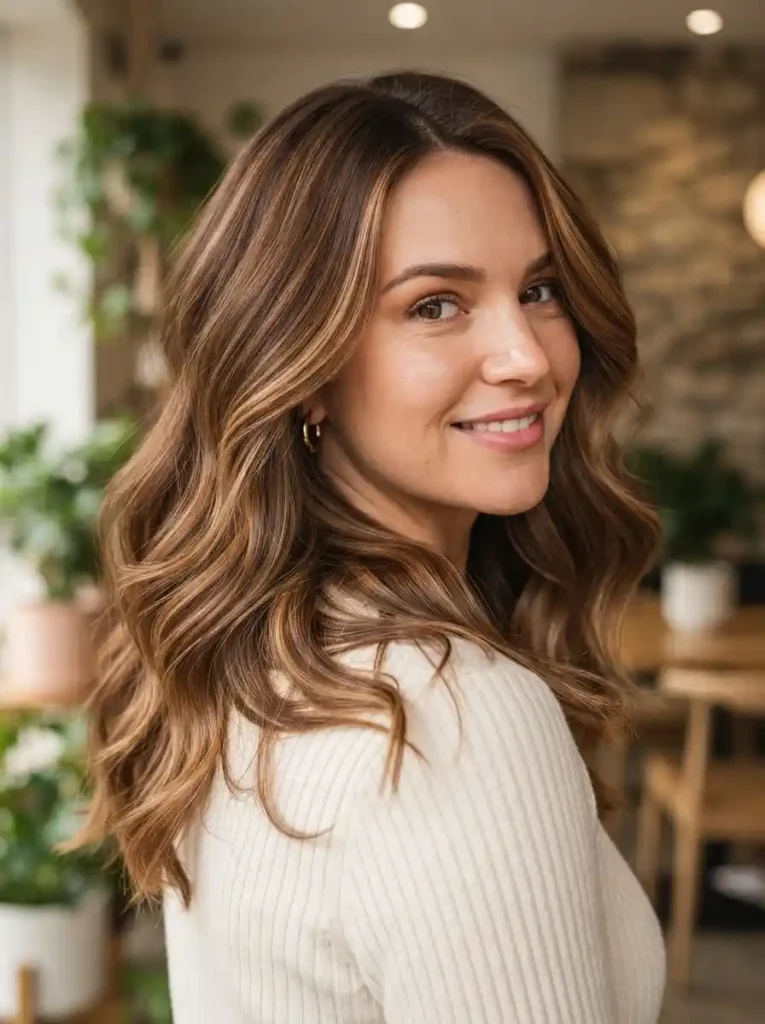
- Soft toffee ribbons add warmth and depth to brunette hair.
- The blended placement keeps the roots natural-looking.
- Golden-brown tones create a glossy effect in sunlight.
- Waves and curls make the tonal variation look especially dimensional.
- Moderate upkeep includes occasional glossing and conditioning for shine.
Warm toffee ribbons can turn an ordinary brunette base into a richer, more dimensional color without creating a dramatic contrast. Toffee brown balayage blends medium chocolate, golden brown, and subtle caramel tones through the mid-lengths and ends. It often complements warm and neutral undertones, while the formula can be adjusted to prevent excessive orange warmth. This technique works particularly well on medium to long hair, where the gradual placement has room to flow naturally. Darker starting colors may require lightening, but the final brightness depends on your existing color, hair condition, and desired level of contrast.
Toffee brown balayage has a soft, polished quality that works for everyday styling, professional settings, and special occasions. The warm ribbons become more noticeable in natural daylight, while indoor lighting usually makes the overall color appear deeper and more chocolate-toned. I’ve noticed that placing a few brighter pieces around the face can make the result feel fresher without increasing maintenance too much. Since lightened sections can become dry, use a moisturizing conditioner and heat protectant consistently. Washing with cooler water and choosing color-safe shampoo can also help slow fading, while a salon gloss can restore shine when the color starts looking tired.
17. Golden Bronde Melt
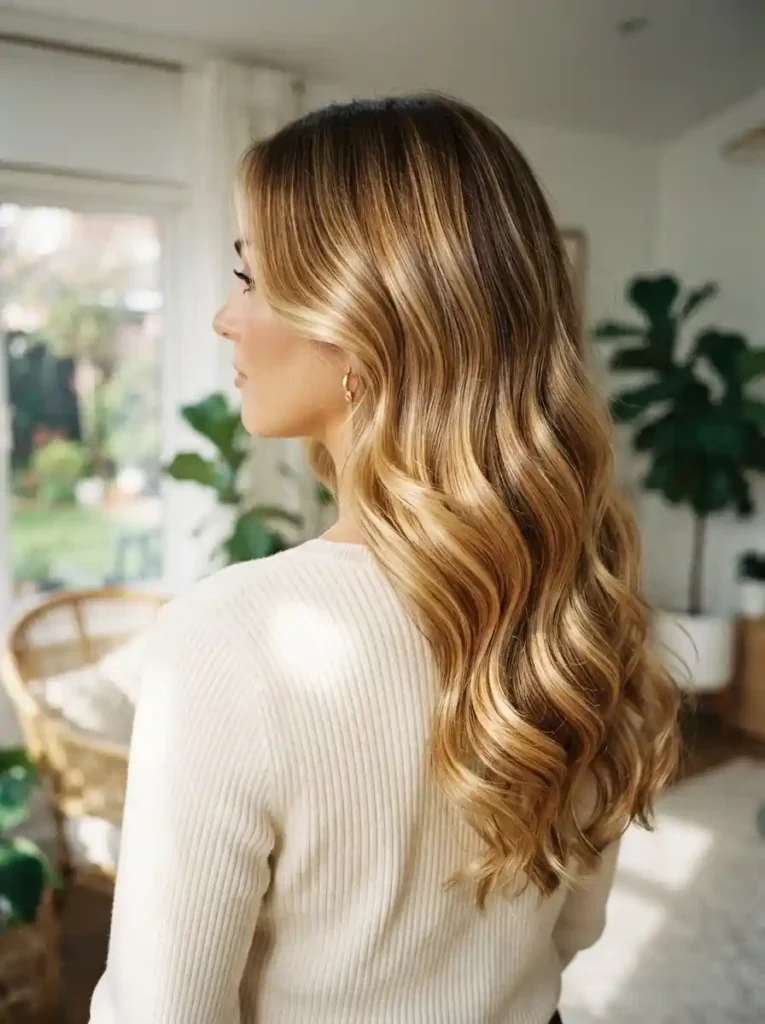
- Blonde and brown tones create a balanced, softly blended finish.
- Golden pieces brighten the hair without making it fully blonde.
- The darker root helps create a gentle grow-out.
- Long layers showcase the gradual color transition beautifully.
- Regular glossing can keep the blonde tones smooth and luminous.
Golden bronde blends the richness of brunette hair with the brightness of blonde, creating a soft middle ground that feels naturally dimensional. The color typically combines golden beige, medium brown, and honey-blonde tones, gradually melting from a deeper root into brighter lengths. It may suit warm and neutral undertones particularly well, while a colorist can make the formula more beige for a less golden effect. This technique can work beautifully on straight, wavy, or layered hair because the tones shift naturally with movement. Depending on your starting color, selective pre-lightening may be required to achieve the desired blonde level.
Golden bronde is a useful choice when you want your hair to look brighter but still want noticeable brunette depth. In sunlight, the golden sections can appear luminous, while indoor lighting often brings out the richer brown tones underneath. The final balance depends on your natural pigment, previous dye, and porosity, so a strand test can be helpful before extensive lightening. That’s why many professional colorists recommend building brightness gradually when starting with darker hair. Maintain the finish with color-safe shampoo, weekly conditioning, and heat protection. A toner or gloss can refresh the blonde when unwanted warmth or dullness develops.
18. Plum Brown Gloss
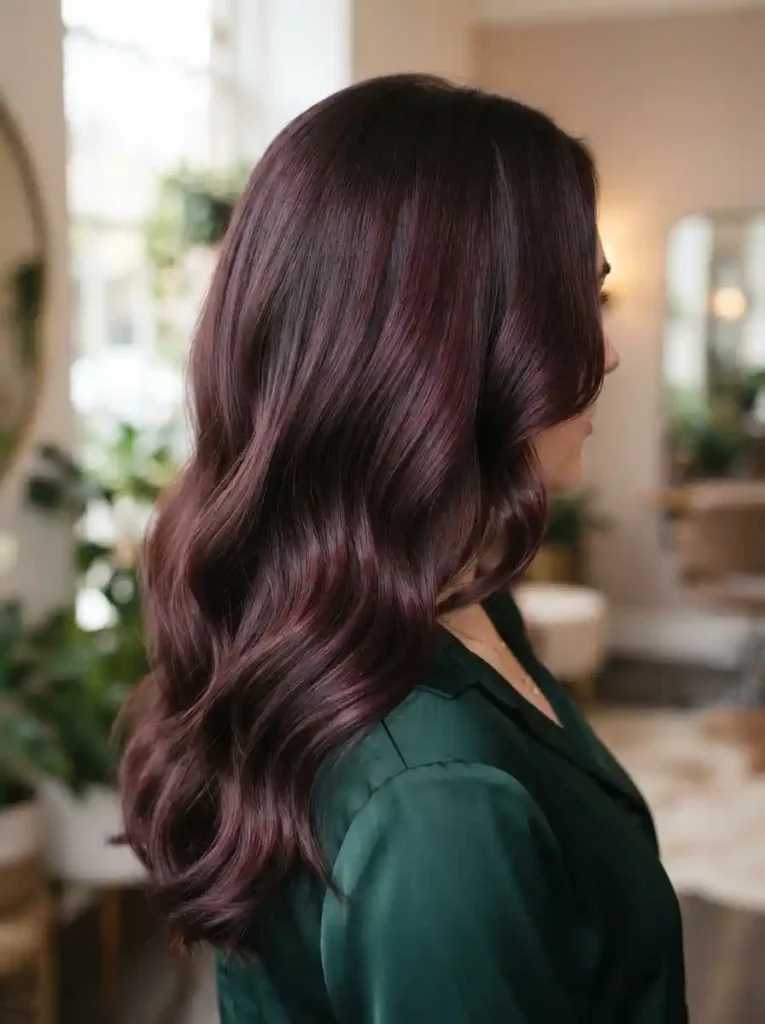
- Deep brown provides a rich base for subtle plum dimension.
- Violet undertones become more visible in brighter lighting.
- The darker finish feels polished without looking dramatically purple.
- Glossing can intensify shine and refresh the berry-inspired tone.
- Red-violet pigments may fade faster with frequent washing.
Deep chocolate brown with a muted plum sheen creates a sophisticated color that looks subtle indoors and more expressive in daylight. Plum brown gloss combines rich brunette pigment with restrained violet and berry undertones, giving dark hair a dimensional finish without turning it vividly purple. It may complement neutral and cool undertones particularly well, while warmer formulas can soften the violet effect. Naturally dark brown hair may need little or no lightening for a subtle result, making this option comparatively low-maintenance. A semi-permanent gloss can be useful when you want to experiment without immediately committing to permanent color.
Plum brown is especially appealing for someone who wants a noticeable tonal change rather than obvious highlights or bright fashion color. The violet undertones can appear almost invisible under some indoor lighting, then reveal a soft berry reflection when sunlight reaches the surface. I’ve noticed glossy finishes like this look particularly polished on smooth hair, although waves can make the changing tones easier to notice. Because violet-red pigments gradually fade, wash less frequently when possible and use cool water with color-safe products. Regular conditioning protects shine, while a tinted gloss can refresh the plum tone when it starts losing intensity.
19. Mocha Honey Balayage
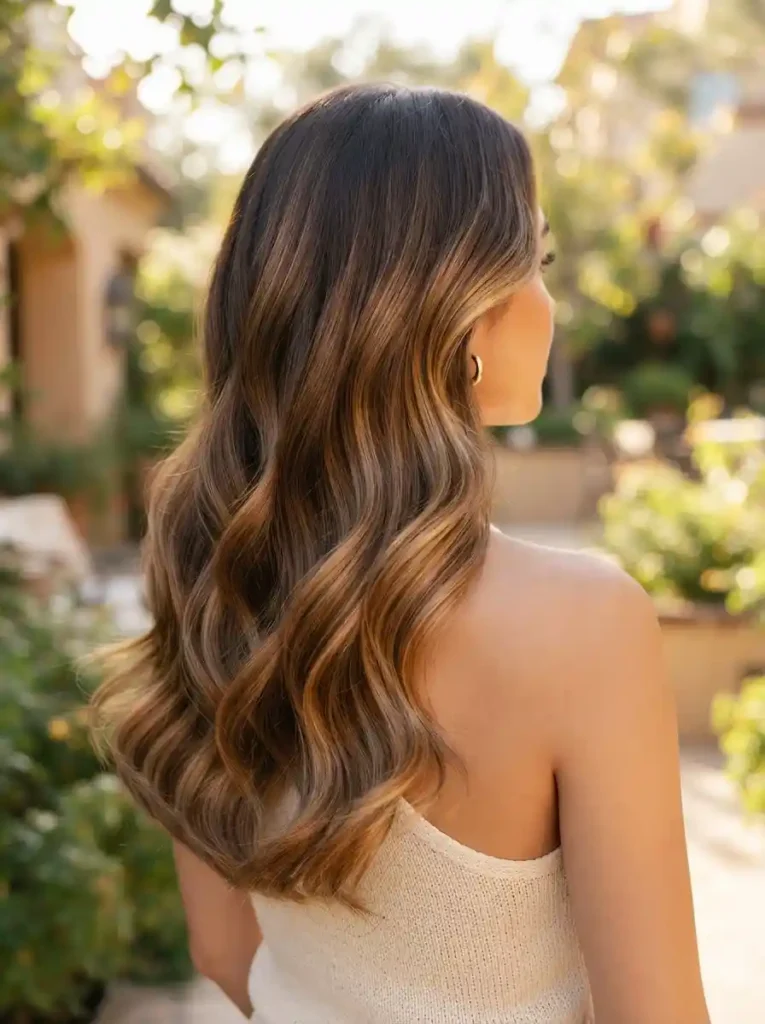
- Soft mocha roots create a natural-looking foundation.
- Honey ribbons add brightness without overpowering the brunette base.
- The blended placement gives waves and layers extra movement.
- Face-framing pieces can create a subtle luminous effect.
- Maintenance is moderate, with occasional glossing to refresh warmth and shine.
Imagine soft honey ribbons melting through a creamy mocha base, creating a warm glow that looks especially beautiful when the hair moves. This balayage combines medium chocolate brown with golden honey pieces, giving brunette hair brightness while preserving plenty of depth. It may complement warm and neutral undertones particularly well, although the honey tone can be adjusted to suit your complexion. Wavy and layered hair reveal the dimension naturally, while straight hair makes the blended placement easier to see. Darker bases may need pre-lightening, and a professional colorist can control the lift to protect the hair.
Mocha honey balayage can look understated indoors yet noticeably brighter when natural sunlight reaches the lighter sections. The color works well for everyday styling because the deeper roots keep the overall appearance balanced rather than overly blonde. I’ve noticed that placing a few honey pieces near the face can make the result feel fresher without requiring extensive highlights throughout the head. Lightened strands can become dry, so use moisturizing conditioner, heat protection, and color-safe shampoo. If warmth becomes uneven or the honey tones fade, a salon gloss can restore the smooth, reflective finish without completely recoloring the hair.
20. Butterscotch Blonde
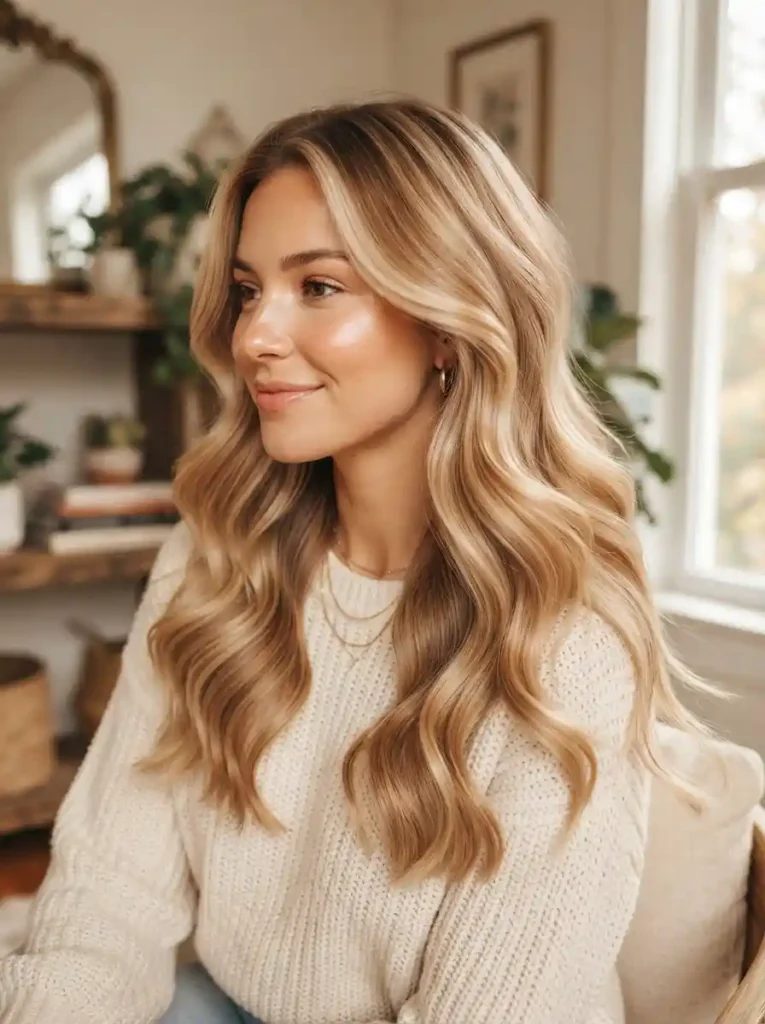
- Warm butterscotch tones create a creamy, golden finish.
- Deeper roots provide contrast and make the blonde feel softer.
- The shade adds noticeable brightness without requiring icy platinum tones.
- Loose waves help showcase the golden dimension.
- Regular toning and conditioning support the color and hair condition.
Creamy butterscotch blonde brings together golden beige, soft caramel, and warm blonde tones for a rich, luminous finish. It may suit warm and neutral undertones especially well, while a colorist can soften the golden intensity if your complexion needs a more balanced tone. This shade can work beautifully on medium brown, dark blonde, or previously lightened hair, although darker bases may require significant pre-lightening. Long layers and loose waves allow the different blonde tones to blend naturally. Because achieving this level of brightness can involve lightening, strand testing and a professional assessment are worthwhile before a major color change.
Butterscotch blonde catches natural light beautifully, often appearing creamy and golden outdoors while looking slightly deeper under indoor lighting. The warm finish can make the hair appear visually richer, especially when paired with a darker root or subtle lowlights. In my experience, keeping some depth near the scalp prevents warm blonde from looking flat or overly uniform. Since blonde hair is vulnerable to dryness, use a nourishing mask regularly and protect it from heat styling. A color-safe shampoo can help maintain the finish, while occasional toner or gloss appointments can control unwanted brassiness and restore shine.
21. Deep brunette roots
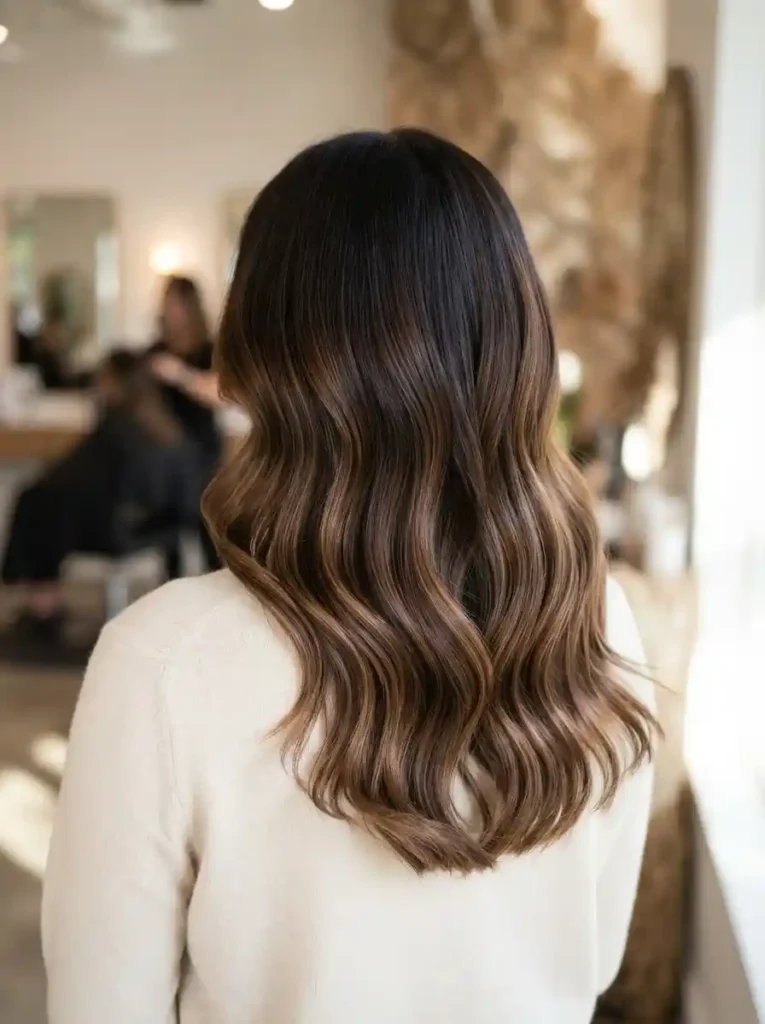
- Deep brown roots transition into rich burgundy lengths.
- Red-violet tones create noticeable dimension without bright fashion color.
- The darker root makes regrowth easier to disguise.
- Wavy hair reveals the shifting burgundy tones beautifully.
- Red pigments need gentle washing to help slow fading.
Deep brunette roots flowing into muted burgundy lengths create a rich color with a subtle dramatic edge. Burgundy brown melt combines chocolate brown, wine-red, and soft red-violet tones, creating depth that changes noticeably under different lighting. It may complement neutral, cool, and some deeper warm undertones, while a colorist can adjust the violet or red balance. Medium to dark brown starting shades are particularly practical for this look because the transition can remain rich rather than overly bright. Pre-lightening may be necessary if you want stronger burgundy visibility, especially through very dark or previously colored hair.
Burgundy brown can appear almost entirely brunette indoors before revealing a wine-toned glow in sunlight, making it an appealing option for someone who wants color without constant visual intensity. The melt technique keeps the roots deep, so new growth generally looks softer than with an all-over burgundy shade. I’ve noticed that waves and curls make the red-violet dimension especially noticeable because the tones catch light from different angles. Red pigments can fade quickly with frequent washing, so cooler water and color-safe shampoo are helpful. A tinted gloss can refresh the burgundy between appointments while conditioning keeps the lengths smooth.
22. Chestnut Copper Blend
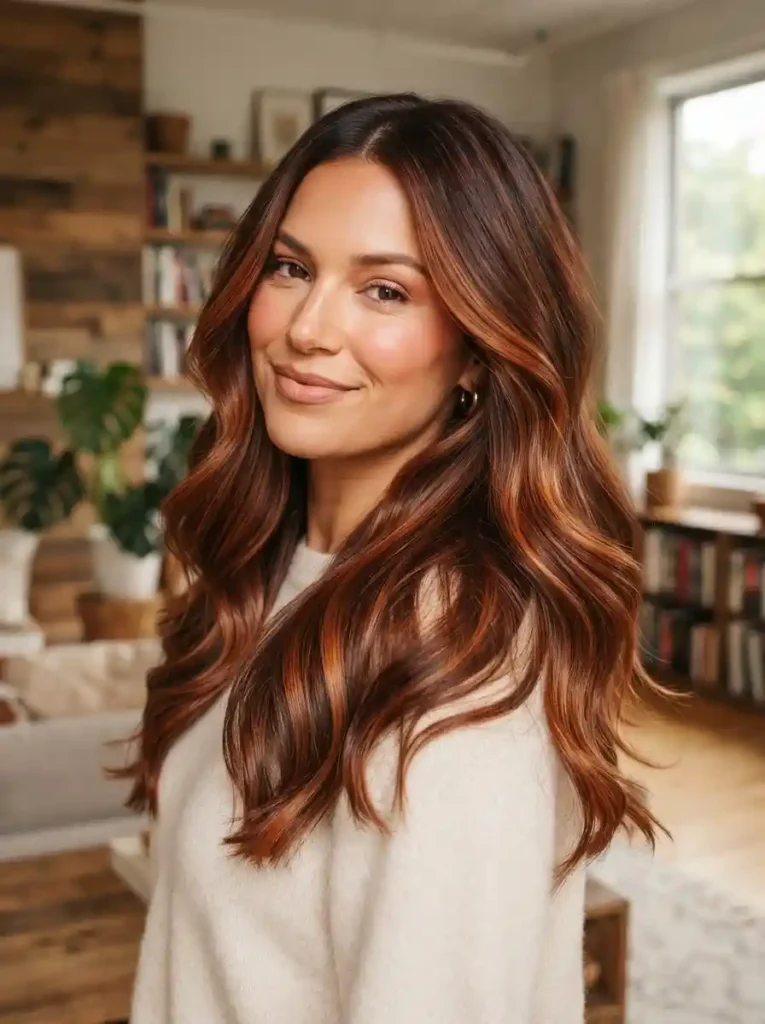
- Rich chestnut creates a deep, natural-looking foundation.
- Soft copper ribbons add warmth and visible dimension.
- The color looks especially lively when sunlight catches the lighter pieces.
- Layered or wavy hair helps reveal the tonal movement.
- Moderate upkeep includes glossing and conditioning to maintain vibrancy.
Warm chestnut brown mixed with soft copper creates a dimensional finish that feels rich rather than overly fiery. This blend combines deep brown, reddish chestnut, and golden copper tones, giving the hair warmth and movement without turning it completely red. It may complement warm and neutral undertones especially well, while a colorist can reduce the copper intensity for a result. Medium brown starting shades are often a practical base, though darker hair may require some pre-lightening. The technique works beautifully on medium to long hair, especially when layers allow each tone to catch the light.
Chestnut copper looks particularly beautiful when styled in loose waves, because the movement reveals flashes of copper between deeper brown sections. In natural daylight, the warm tones can appear brighter, while indoor lighting usually emphasizes the richer chestnut foundation. I’ve noticed that keeping the copper concentrated through selected lengths makes this shade easier to maintain than an all-over fiery color. Red-based pigments can fade with frequent washing, so use color-safe shampoo and cooler water when possible. A moisturizing mask helps protect the hair from dryness, while a tinted gloss can revive the warmth when the color begins looking muted.
Conclusion : Pretty Hair Color Ideas
The right hair color can refresh your overall look while still feeling natural, personal, and manageable. These Pretty Hair Color Ideas give you inspiration for everything from subtle highlights and dimensional tones to richer, more noticeable transformations. Consider your natural base, complexion, undertone, previous color, hair condition, and maintenance routine before choosing a shade.
Save your favorite looks on Pinterest so you can easily show a professional colorist what you have in mind at your next appointment. I’ve seen how thoughtful shade selection can make a color feel much more effortless and wearable. Explore your favorites, discuss the possibilities with your colorist, and share this inspiration with a friend planning her next hair refresh.