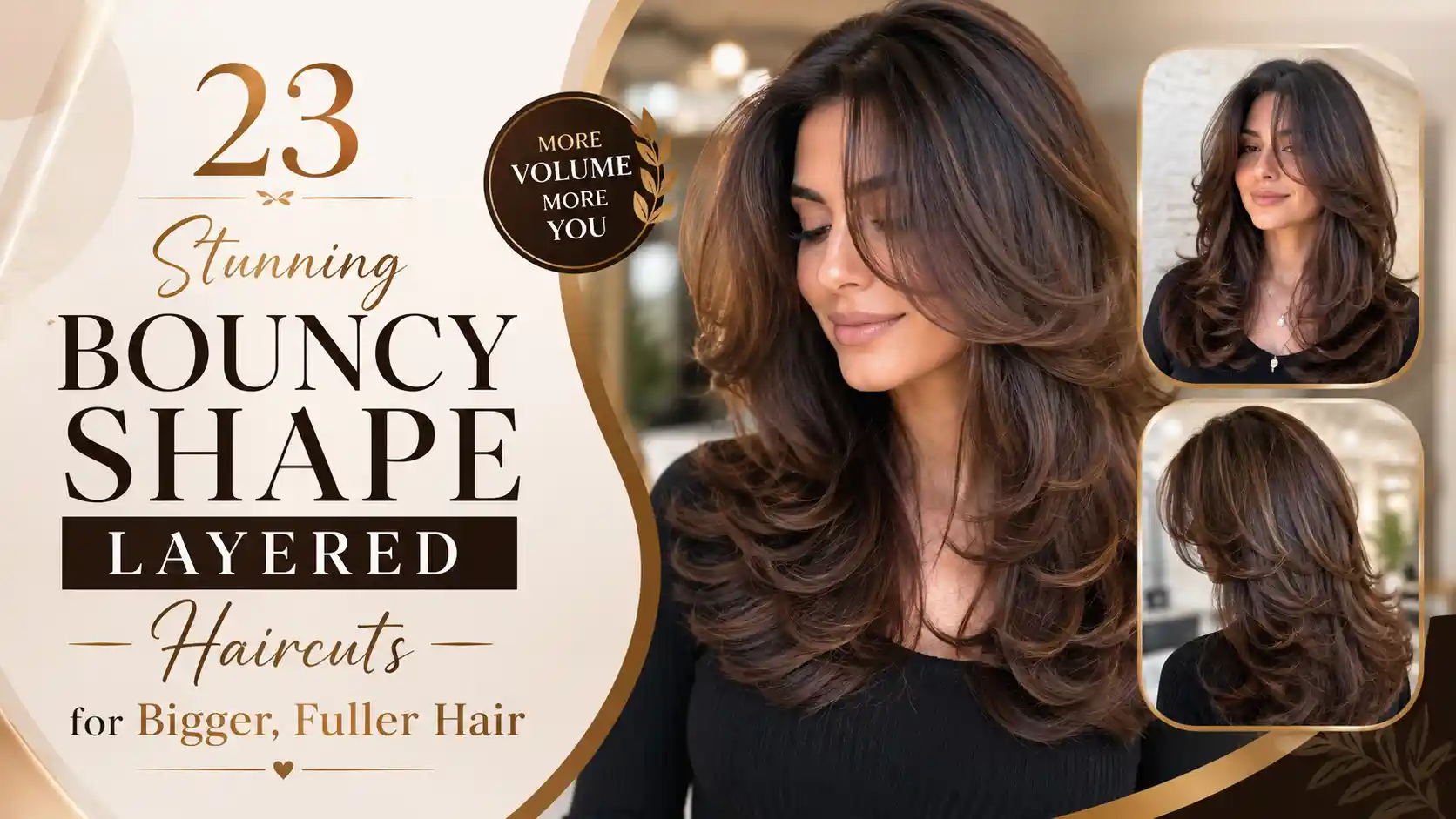
23 Stunning Bouncy Shape Layered Haircuts for Bigger & Fuller Hair
Want hair that looks instantly more lively, lifted, and full of movement? These bouncy shape layered haircuts by Styled Aura are made for creating that fresh, voluminous effect.If your hair often falls flat, feels difficult to style, or lacks the shape you want, the right layers can make a noticeable difference. This collection of 23 stunning haircut ideas shows how carefully placed layers, soft curves, and natural-looking bounce can add dimension without making your style feel complicated.
You’ll find inspiration for different lengths, textures, and everyday styling preferences, whether you love polished volume or an effortless, airy finish.In my experience, a good layered cut works best when the shape complements how your hair naturally moves. Keep scrolling to discover flattering ideas you can save, show your stylist, and adapt to your own routine.
1. Long Layered Bounce
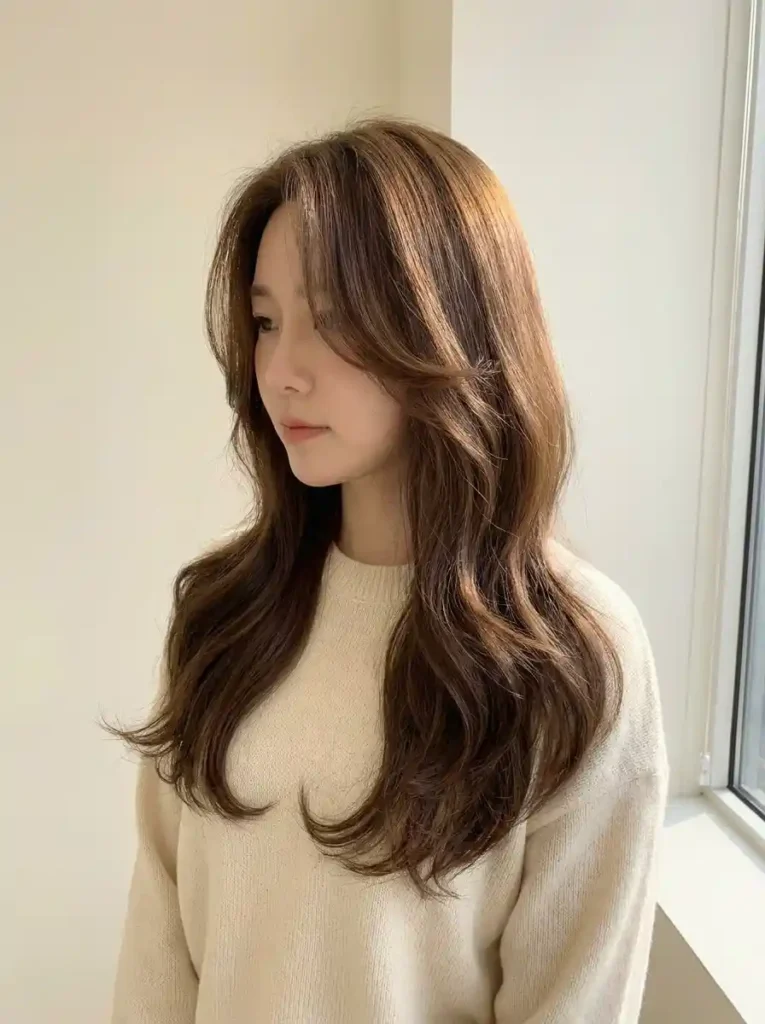
- Creates visible movement without sacrificing overall length.
- Works especially well for medium-to-thick hair.
- Face-framing layers can soften stronger jawlines.
- A round-brush finish makes the shape look extra airy.
This cut gives long hair a lifted shape that instantly feels lighter and more dynamic. The secret is keeping enough length while placing rounded layers through the mid-lengths and ends. That balance creates movement without making the haircut look overly choppy. In my experience, medium-to-thick hair shows the shape particularly well because the layers have enough density to create natural bounce. Softer face-framing pieces can also complement oval, square, and heart-shaped faces. For everyday styling, a round brush or large rollers can bring out the curved silhouette, while air-drying leaves a more relaxed, naturally textured result.
Long layered cuts are especially useful when you want fuller-looking hair without committing to a shorter style. The graduated shape encourages the ends to move away from the face, creating a soft, lifted outline that photographs beautifully from different angles. Straight hair can look sleek and polished with this design, while naturally wavy hair gains extra separation and movement. Fine hair should use lighter, carefully placed layers so the ends retain enough weight. Maintenance is moderate, usually involving regular trims to keep the perimeter fresh. It works beautifully for office days, casual weekends, dinners, and dressed-up occasions.
2. Rounded Mid-Length Layers
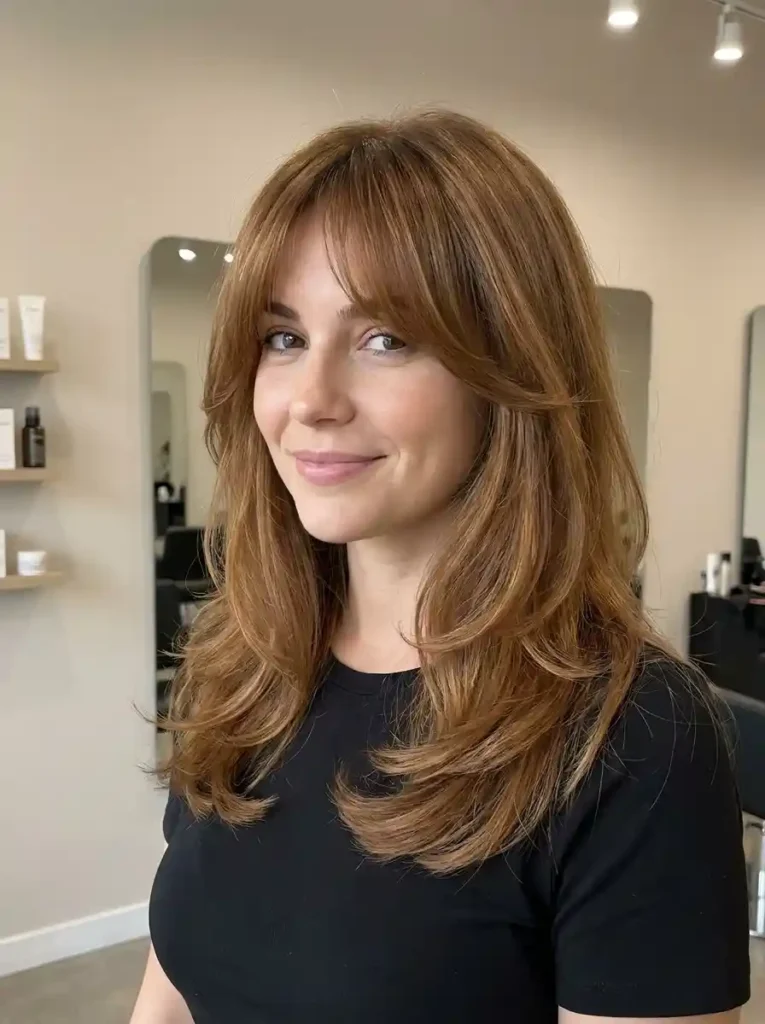
- Gives shoulder-length hair a fuller, rounded silhouette.
- Adds movement while keeping styling manageable.
- Great for straight, slightly wavy, or blow-dried textures.
- Face-framing layers create softness around the cheeks.
Shoulder-length hair can look surprisingly full when the layers are shaped with intention. Rounded mid-length layers create a soft curve instead of leaving the ends hanging in one heavy line. This makes the haircut feel bouncy while remaining practical for daily routines. I’ve noticed that slightly wavy hair responds especially well because the natural bends emphasize each layer without requiring complicated styling. Straight hair can achieve the same effect with a quick blow-dry and inward brush movement. The cut suits many face shapes, especially when the shortest pieces are adjusted around the cheekbones and jawline for balance.
Another advantage is versatility: this length is short enough to feel fresh but long enough for ponytails, clips, waves, and simple updos. The layers can also help distribute visual weight through thick hair, preventing the shape from appearing bulky at the bottom. For finer strands, keeping the lower perimeter slightly fuller helps preserve density while adding movement higher up. A lightweight styling cream or mousse can enhance the bounce without making the hair feel stiff. With regular trims, this shape stays neat and polished, making it an easy choice for work, weekends, travel, or special plans.
3. Soft Feathered Volume
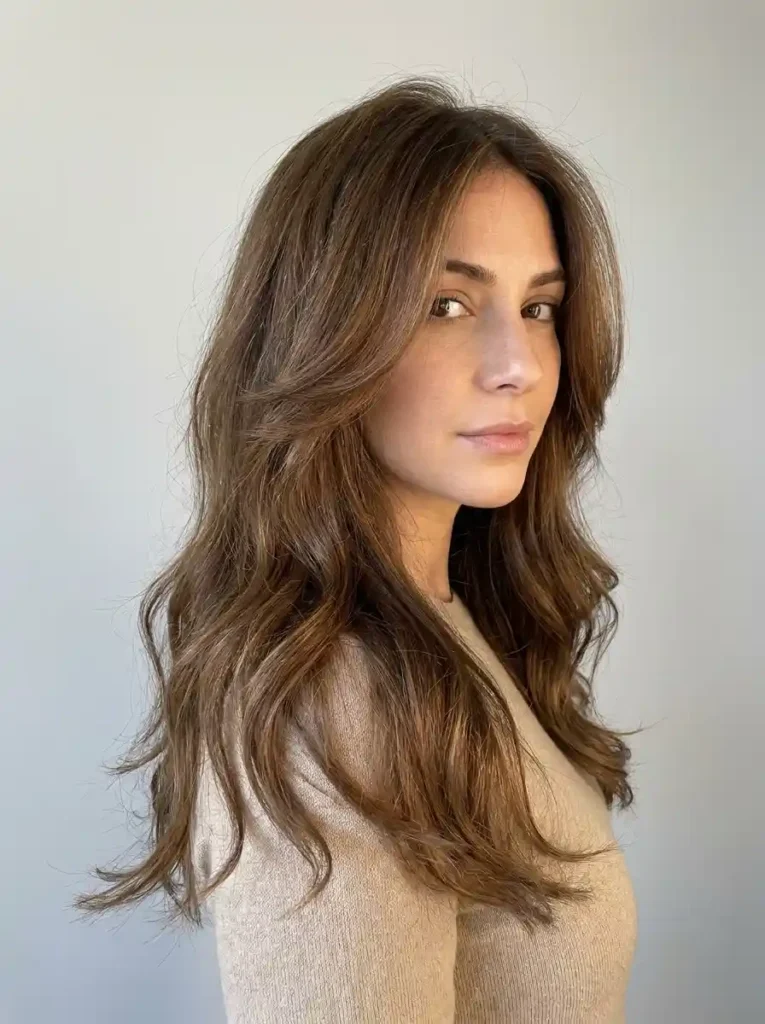
- Builds airy movement around the face and ends.
- Feathered layers make longer hair feel lighter.
- Particularly flattering for naturally straight or loose waves.
- A soft blowout can emphasize the rounded shape.
Soft feathering can transform longer hair from flat and heavy into something that feels airy and full of movement. Instead of creating harsh steps, this technique blends the layers gradually so the hair curves naturally around the face and shoulders. The result is especially attractive on straight and loosely wavy textures because the ends can flip softly without looking messy. That’s why many hairstylists recommend controlled feathering when someone wants movement but dislikes visibly disconnected layers. The shape can also be adjusted to suit different face proportions, with longer pieces offering gentle framing around wider cheeks or stronger jawlines.
Styling this haircut does not have to become a daily project. A medium round brush can lift the roots and encourage the feathered ends to curve outward, while a large-barrel tool can create a softer, more polished finish for occasions. Naturally wavy hair can often rely on its own texture with a small amount of lightweight product. Because the layers are blended, grow-out tends to look softer than sharply defined cuts. Regular trims still help preserve the shape, particularly around the face. This style works well for everyday wear, professional settings, date-night looks, and Pinterest-inspired blowouts.
4. Voluminous Butterfly Layers
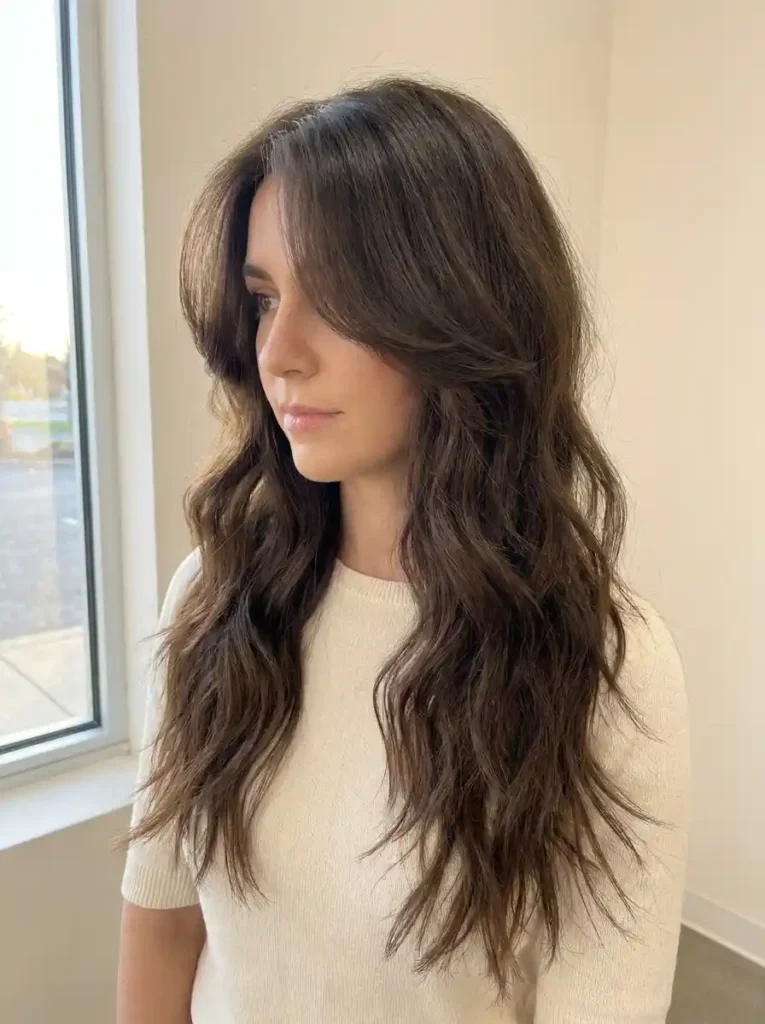
- Creates a dramatic, lifted shape while keeping plenty of length.
- Face-framing layers add movement around the cheeks and jaw.
- Works beautifully with thick, wavy, or blow-dried hair.
- The shorter upper layers create noticeable volume at the crown.
A fuller silhouette becomes much easier to achieve when shorter layers build volume above longer lengths. Butterfly layering creates that effect by combining shorter, face-framing sections with longer cascading pieces, giving the hair a lifted shape without losing its length. I’ve seen this haircut work beautifully for many people with thick or naturally wavy hair because the texture helps separate the layers naturally. Straight hair can also wear it well after a blowout. The cut is particularly useful for oval, heart, and longer face shapes because the framing can add width and softness around the cheek area.
Despite its glamorous appearance, this layered shape can fit into a practical routine when the haircut is tailored properly. A round brush helps direct the shorter pieces away from the face, while larger rollers can create extra lift for special occasions. Thick hair may benefit from strategic internal weight removal, but too much thinning can reduce the fullness you want. Fine hair generally looks better with fewer, carefully positioned layers. The result can transition easily from relaxed everyday waves to a polished blowout. Regular trims help maintain the face-framing structure and keep the longer ends looking healthy and defined.
5. Bouncy Collarbone Layers
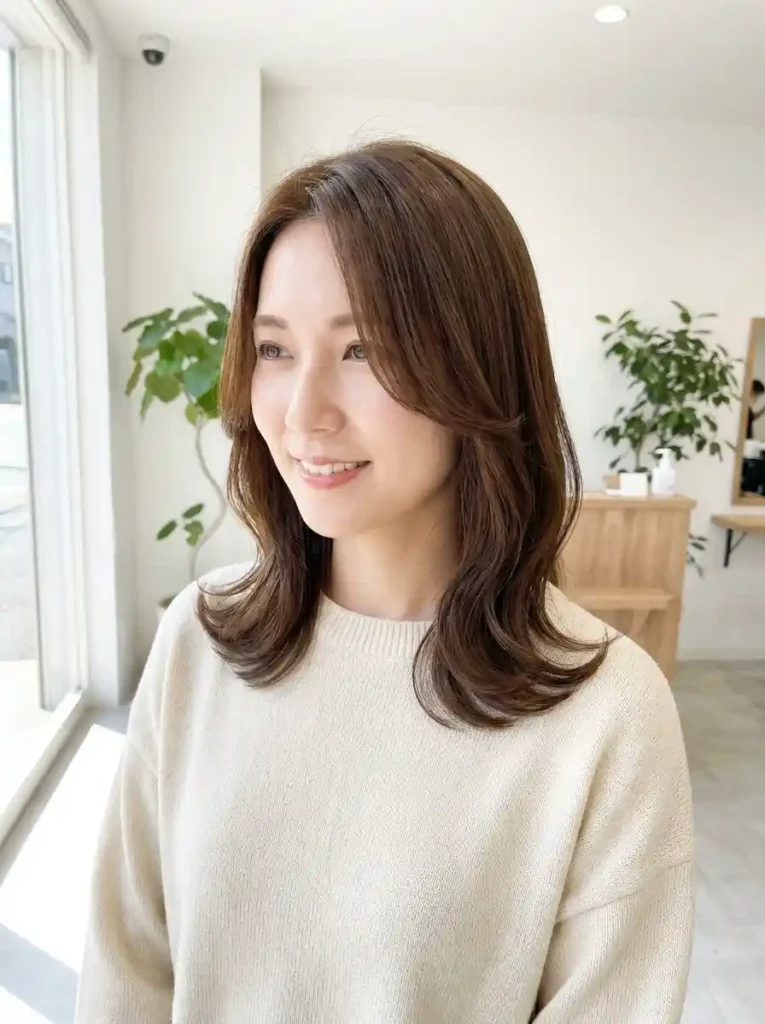
- Gives collarbone-length hair a lively, fuller appearance.
- Adds movement without creating excessive short layers.
- Ideal for everyday styling and easy blowouts.
- Soft framing can be customized around the jaw and cheeks.
Collarbone length offers a sweet spot for anyone who wants noticeable movement without managing very long hair. Soft rounded layers keep the perimeter substantial while creating bounce through the middle and ends. This balance can make the haircut appear fuller without relying on heavy styling products. In my experience, slightly wavy hair brings out the shape naturally, while straight hair can reveal a cleaner, more sculpted finish after blow-drying. The length works across many face shapes because the front layers can be placed higher or lower depending on whether you want more definition around the cheekbones or jaw.
The practical appeal of this cut is how easily it moves between different hairstyles. You can wear it loose with soft waves, smooth it for a professional look, or pull it into a low ponytail when needed. A lightweight mousse at the roots can provide lift without making the ends stiff. If your hair is thick, subtle internal layering can reduce heaviness while preserving the outer shape. Fine hair benefits from keeping the bottom line strong and avoiding excessive layering. A trim every few weeks helps the collarbone shape stay fresh, balanced, and easy to style.
6. Curved Face-Framing Layers
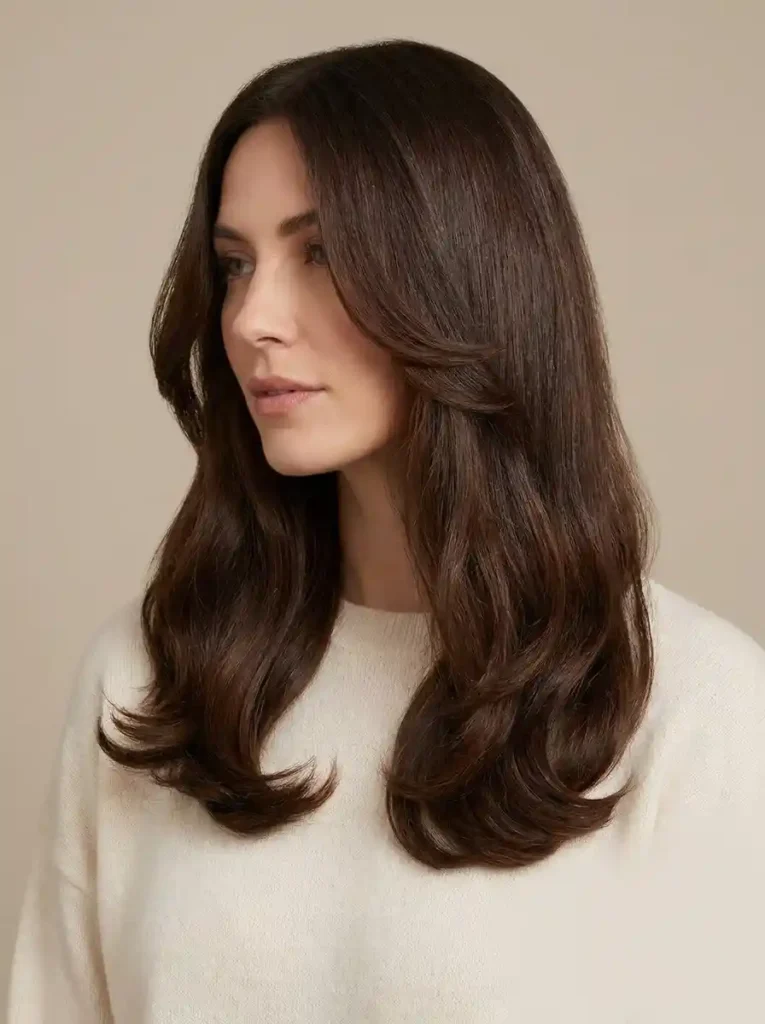
- Creates a soft, rounded outline around the face.
- Adds movement without dramatically changing overall length.
- Helpful for balancing prominent cheekbones or a defined jaw.
- Works with straight, wavy, and softly styled textures.
The right face-framing layers can make an entire haircut feel more balanced and intentionally shaped. Curved pieces begin around the face and gradually blend into longer layers, creating a soft outline rather than a sharp transition. This technique adds movement where the hair naturally falls forward, which can make the overall shape look fuller and more dimensional. I’ve noticed that the placement matters more than simply adding lots of layers. For rounder faces, slightly longer framing can create a lengthening effect, while shorter pieces can add softness around angular features without making the haircut feel overly structured.
This design is also flexible enough for different hair textures and styling habits. Straight strands show the curved outline clearly, while waves create a more relaxed, blended effect around the face. If your hair is thick, the stylist can remove some internal weight while keeping the visible framing substantial. For finer hair, fewer layers usually preserve a stronger sense of density. Styling can be as simple as blow-drying the front pieces away from the face with a round brush. With consistent trims, the shape remains polished for everyday outfits, workwear, casual plans, and special occasions.
7. Rounded Shag Layers
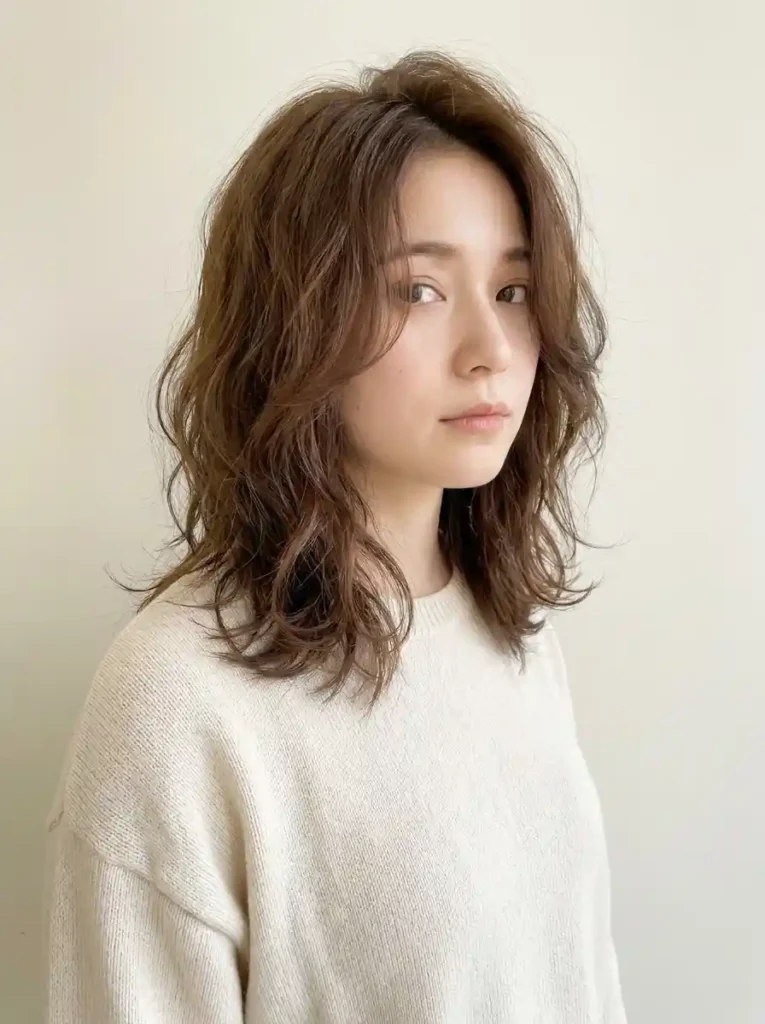
- Adds airy texture while keeping a soft, rounded silhouette.
- Works especially well with naturally wavy or textured hair.
- Shorter layers create lift around the crown and sides.
- A relaxed finish makes it practical for everyday styling.
A rounded shag brings playful movement to hair while keeping the overall shape soft and wearable. Its layered structure creates lift around the crown and sides, while textured ends prevent the haircut from looking heavy. This makes it a strong option for wavy hair, where natural bends can separate the layers and create effortless volume. Straight hair can also wear the shape with a little styling to emphasize the texture. In my experience, the best results come from customizing the amount of layering to the hair’s density, because overly aggressive layers can make some finer textures appear less substantial.
The relaxed shape is especially appealing if you want volume without maintaining a perfectly polished blowout every morning. Scrunching damp waves with lightweight styling cream can bring out the natural pattern, while a quick blow-dry can create a smoother finish. Thick hair may benefit from selective weight removal around the interior, whereas fine hair often needs more restraint with thinning. The rounded outline can complement oval, heart, and square face shapes when the front layers are positioned thoughtfully. Regular trims help maintain the texture and prevent the ends from losing their intentional, airy shape as they grow.
8. Layered Lob Volume
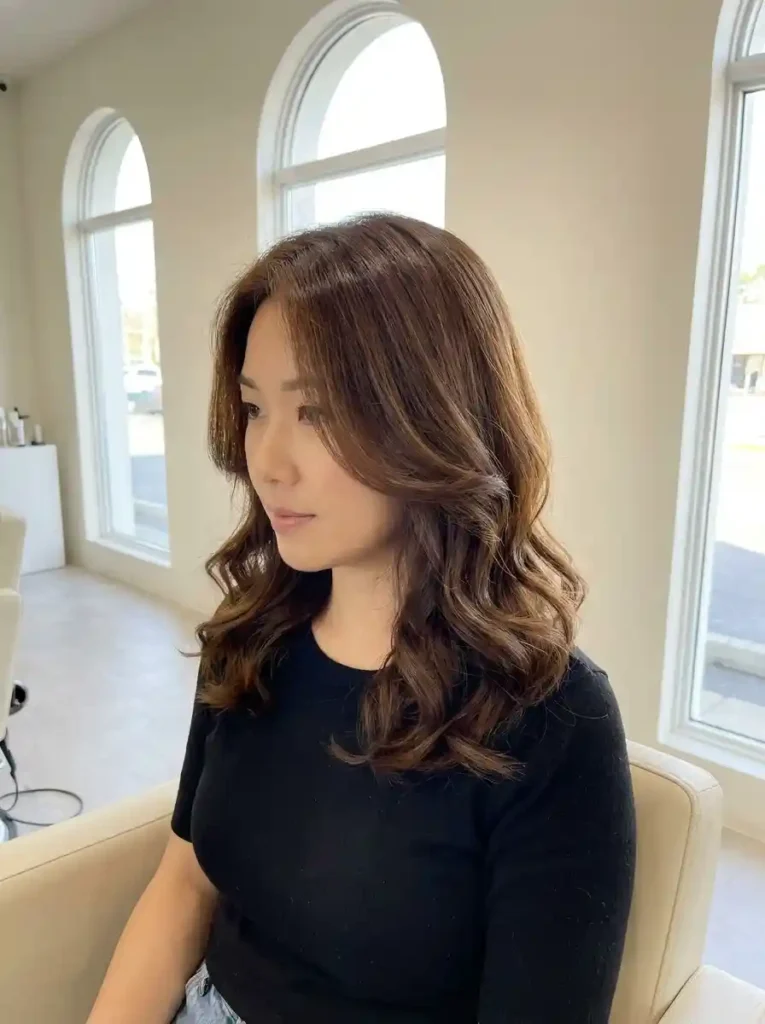
- Gives a classic lob a lighter, more dynamic finish.
- Creates fullness around the crown and mid-lengths.
- Works well for straight, wavy, or softly curled hair.
- Easy to dress up without requiring a complicated routine.
A layered lob can make shoulder-grazing hair feel noticeably more energetic without becoming difficult to manage. The length remains substantial enough for movement, while carefully placed layers prevent the ends from forming a flat, heavy line. This combination works particularly well for straight and slightly wavy textures because the shape remains visible even with minimal styling. The bouncy structure can also make medium-density hair look more dimensional. A stylist can adjust the front pieces to suit different face shapes, keeping them longer for a softer outline or slightly shorter for more noticeable cheekbone definition.
The lob is practical for anyone who wants a polished haircut that can handle busy mornings. A quick blow-dry with a round brush can create lift at the roots and a gentle curve through the ends. Loose waves add more texture for weekends or events, while straightening gives the cut a sleek professional appearance. Thick hair may need subtle internal shaping to control weight, while finer hair benefits from maintaining a strong perimeter. Because the length sits around the shoulders, regular trims are useful for keeping the ends crisp and preventing the layered silhouette from becoming uneven.
9. Feathered Shoulder Layers
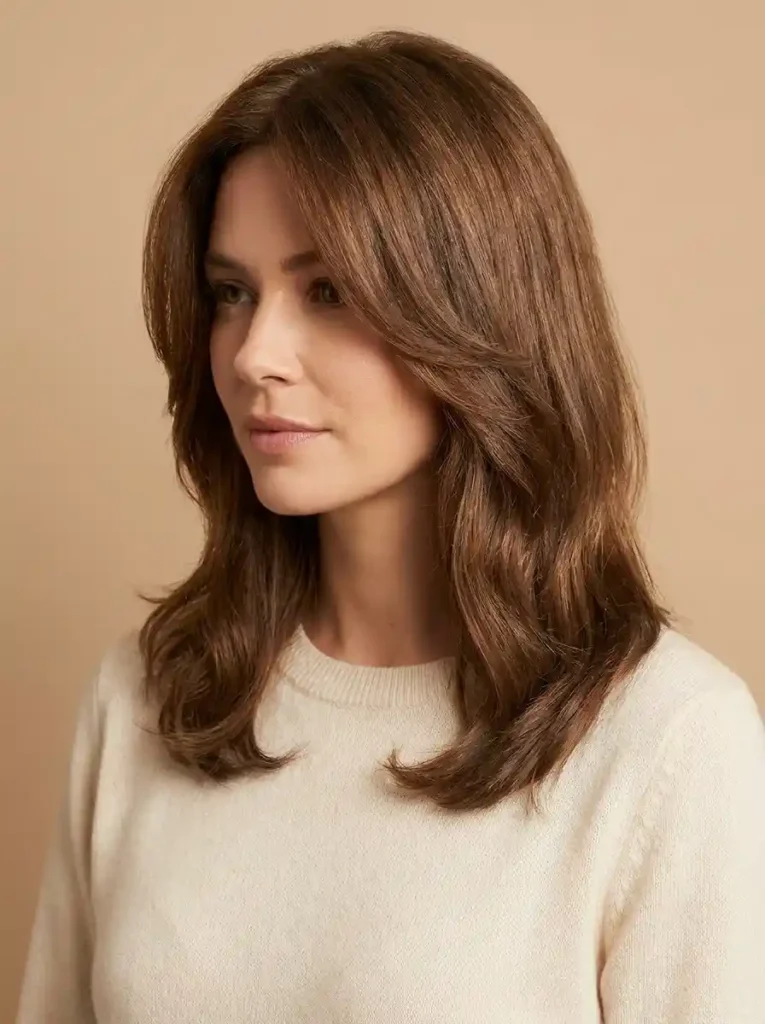
- Creates soft movement without making the haircut look choppy.
- Gives shoulder-length hair an airy, lifted appearance.
- Face-framing pieces can enhance natural facial proportions.
- Simple blow-drying can reveal the feathered shape.
Shoulder-length hair gains a beautiful sense of movement when the layers are feathered instead of cut into obvious steps. The technique creates soft transitions that encourage the ends to curve and separate naturally. This can make the haircut appear fuller and more dimensional while avoiding a bulky outline. Straight hair often shows the feathering clearly after a smooth blowout, while loose waves create a softer, more casual effect. I’ve noticed that keeping the shortest face-framing section at a flattering point makes a major difference, especially when the goal is to highlight cheekbones without drawing too much attention to the jaw.
Styling can stay remarkably simple with this shape. Use a round brush to lift the roots and gently direct the front layers away from the face, then let the ends settle into their natural curve. For a relaxed finish, air-drying with a lightweight wave-enhancing product can preserve texture without adding heaviness. Thicker hair may need selective layering to prevent excessive weight, while fine hair should retain enough length and density around the perimeter. The result suits everyday outfits, professional settings, casual gatherings, and evening plans, making it a versatile option when you want softness with noticeable movement.
10. Layered C-Curve Cut
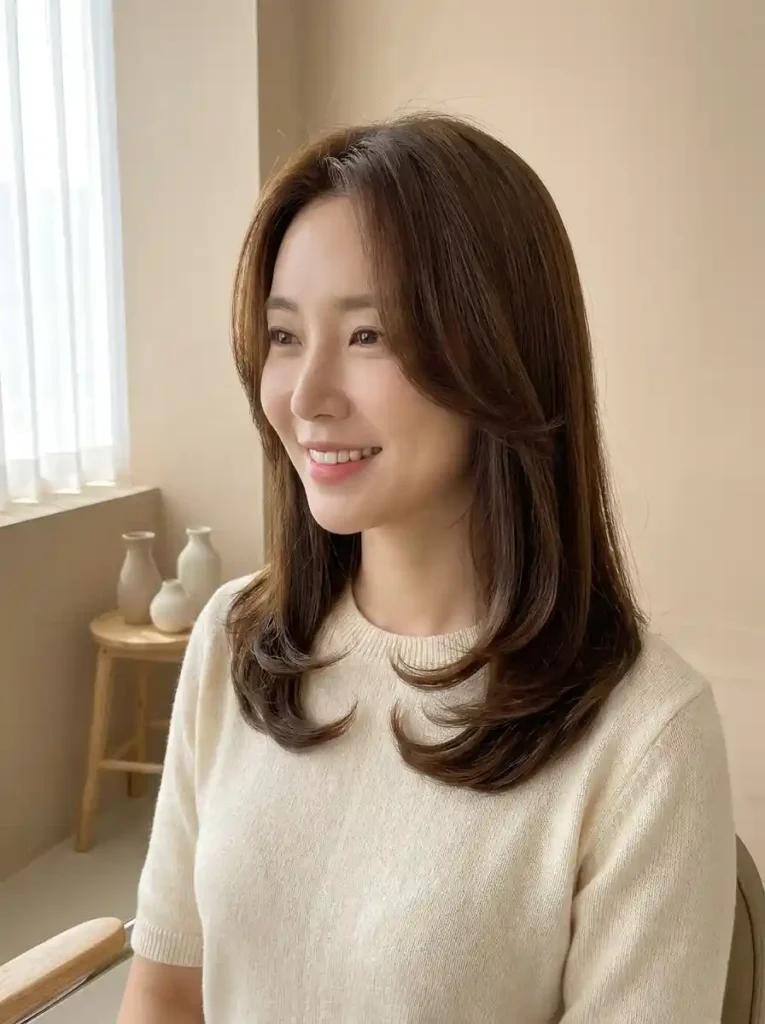
- Creates a rounded, lifted outline through the lengths.
- Helps straight hair look fuller and more polished.
- Face-framing layers add softness around the features.
- Works well with a smooth blowout or natural texture
A C-curve shape gives layered hair a smooth, rounded finish that looks full without appearing overly styled. The layers gradually bend inward toward the face and then flow into longer lengths, creating a continuous visual curve. This design is especially effective for straight hair because its clean structure remains easy to see. Slightly wavy textures can soften the result and add natural movement. In my experience, keeping the layers blended rather than heavily separated helps the haircut grow out gracefully. It can also suit oval, heart, and square face shapes when the front pieces are customized thoughtfully.
The beauty of this cut is that the shape does much of the visual work for you. A round brush can create a gentle bend at the ends, while a flat iron can refine the curve when a sleeker finish is desired. If your hair is thick, subtle internal shaping can reduce bulk without weakening the outer silhouette. Fine hair usually benefits from fewer layers that preserve weight through the ends. The finished look feels polished enough for work but relaxed enough for everyday wear. Regular trims help maintain the curved outline and keep the face-framing sections looking intentional.
11. Long Swooping Layers
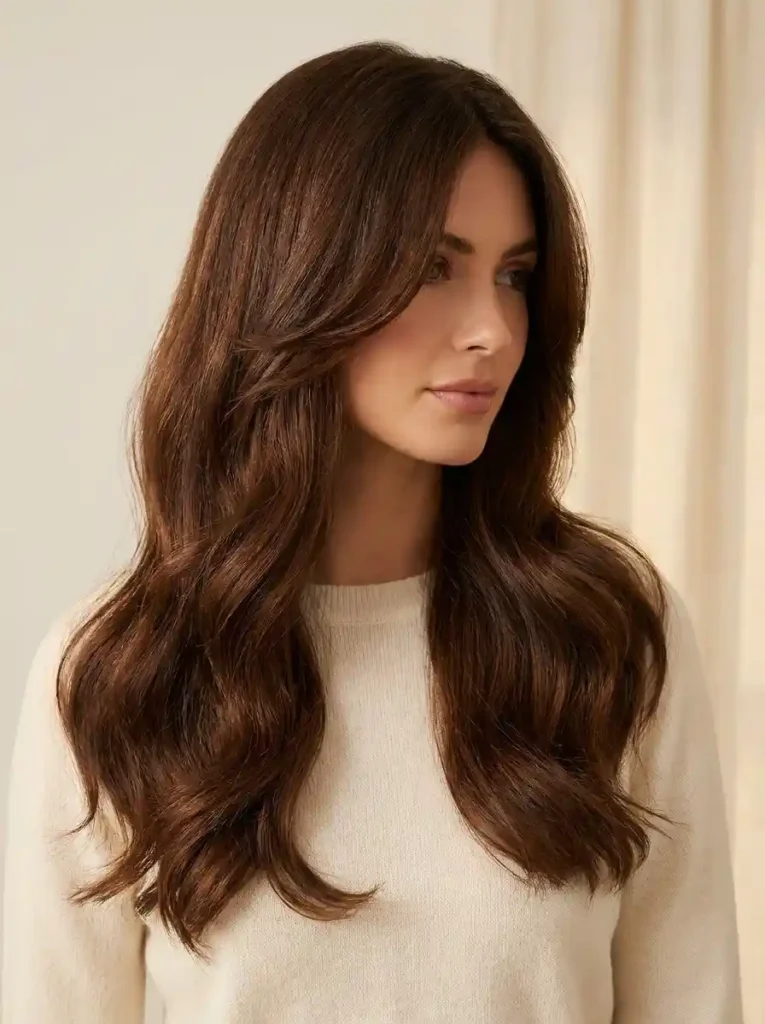
- Creates dramatic movement while preserving long lengths.
- Swooping pieces naturally draw attention toward the face.
- Ideal for thick, straight, or softly wavy hair.
- Works beautifully with a bouncy blowout or loose waves.
Long swooping layers create a flowing shape that moves naturally around the face and shoulders. Instead of cutting many short sections throughout the hair, the stylist builds longer, blended pieces that sweep backward and merge into the ends. This preserves length while adding visible dimension and movement. Thick hair can show the cascading structure particularly well, while straight hair creates a sleek interpretation of the same design. I’ve noticed that a gentle curve around the cheekbones can make the overall haircut feel softer and more balanced, especially when the face-framing pieces are tailored to individual proportions.
This style can look impressive without requiring complicated daily maintenance. A round brush or large rollers can encourage the front layers to sweep away from the face, creating the signature lifted appearance. Loose natural waves can provide a more relaxed finish with minimal effort. If your hair is very dense, selective internal layering can prevent the lower lengths from feeling too heavy. Fine hair may need longer, fewer layers to maintain fullness. The result transitions easily from casual daytime styling to polished evening looks, making it a useful choice for anyone who wants movement without giving up significant length.
12. Soft U-Shaped Layers
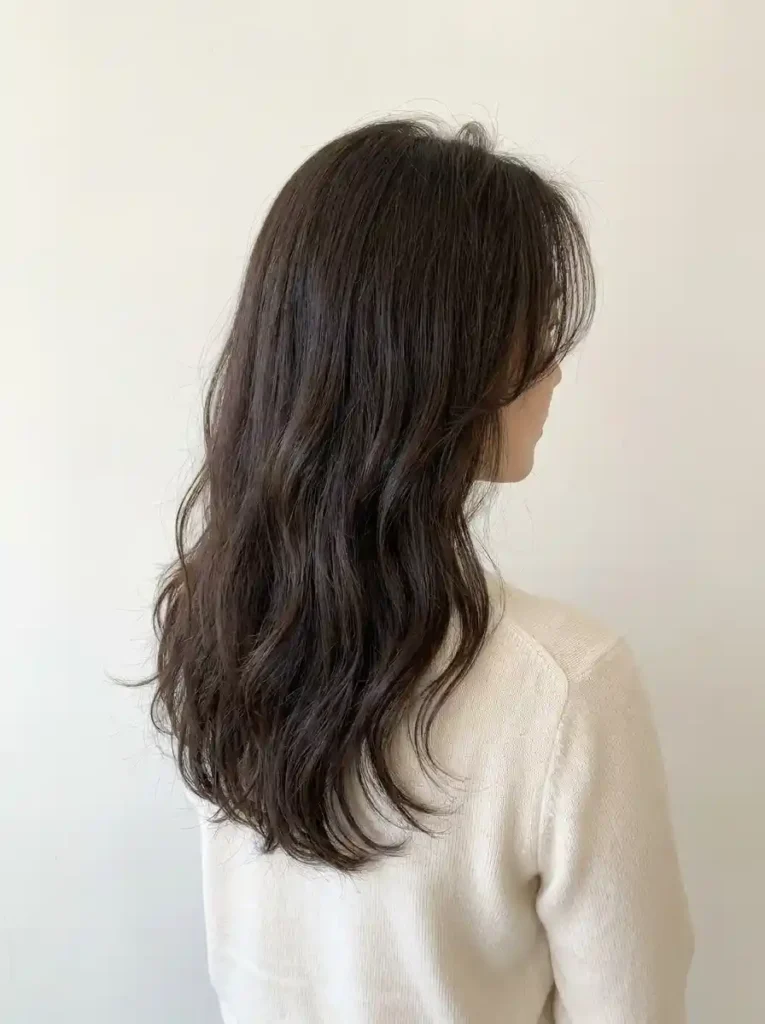
- Creates fullness through a rounded, flowing perimeter.
- Keeps long hair looking substantial at the ends.
- Blended layers add movement without harsh transitions.
- A versatile choice for straight or naturally wavy textures.
A soft U-shaped perimeter gives long hair a fuller appearance by keeping the center slightly longer than the sides. When combined with blended layers, it creates movement while preserving enough weight through the ends to maintain a substantial silhouette. This makes the shape especially useful for people who want layered hair without an overly feathered finish. Straight textures reveal the clean U outline, while waves make it appear softer and more fluid. That’s why many hairstylists recommend adjusting the depth of the U according to density, since thicker hair can support more shaping than very fine strands.
The cut also offers plenty of flexibility for everyday styling. Wear it naturally for a relaxed look, add loose waves for extra movement, or use a round brush to create a smooth, rounded blowout. Thick hair can benefit from carefully placed layers that distribute weight without making the perimeter thin. Fine hair generally looks fuller when the layers remain longer and concentrated toward the lower sections. Because the overall outline stays strong, maintenance is straightforward, although regular trims help preserve the curved perimeter. It works well for casual routines, professional settings, celebrations, and effortless Pinterest-inspired styling.
13. Bouncy Midi Layers
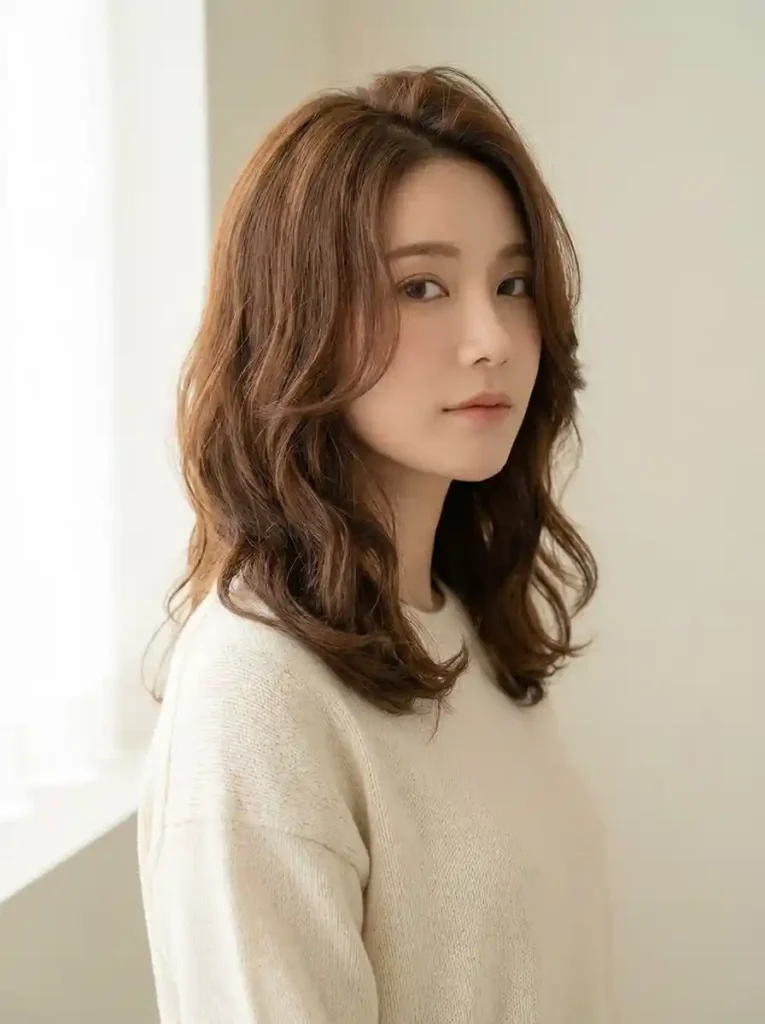
- Gives medium-length hair a lively, lifted silhouette.
- Adds movement without making the ends look sparse.
- Works especially well with soft waves and blowouts.
- Easy to adapt for fine or medium-density hair.
A midi cut becomes instantly more dynamic when soft layers are added through the crown and mid-lengths. The shape creates movement while keeping enough hair around the perimeter to maintain a fuller-looking finish. Slightly wavy hair naturally emphasizes the separation between layers, while straight strands can reveal a smoother, more polished silhouette. In my experience, this length is particularly practical for people who want noticeable volume but still need enough hair for ponytails and simple updos. Face-framing pieces can also be adjusted around the cheekbones and jaw to create a balanced appearance for different face shapes.
Styling this cut can be surprisingly quick, especially when the layers already follow the natural direction of the hair. A round brush can lift the roots and curve the ends, while a few large rollers can create extra bounce for events or photos. Fine hair usually benefits from keeping the lower perimeter strong and limiting excessive thinning. Medium or thick hair can handle more internal movement to prevent heaviness. For everyday wear, a lightweight mousse or styling cream is often enough to enhance texture. Regular trims help preserve the rounded shape and prevent the ends from losing their fresh, buoyant appearance.
14. Face-Framing Cascade
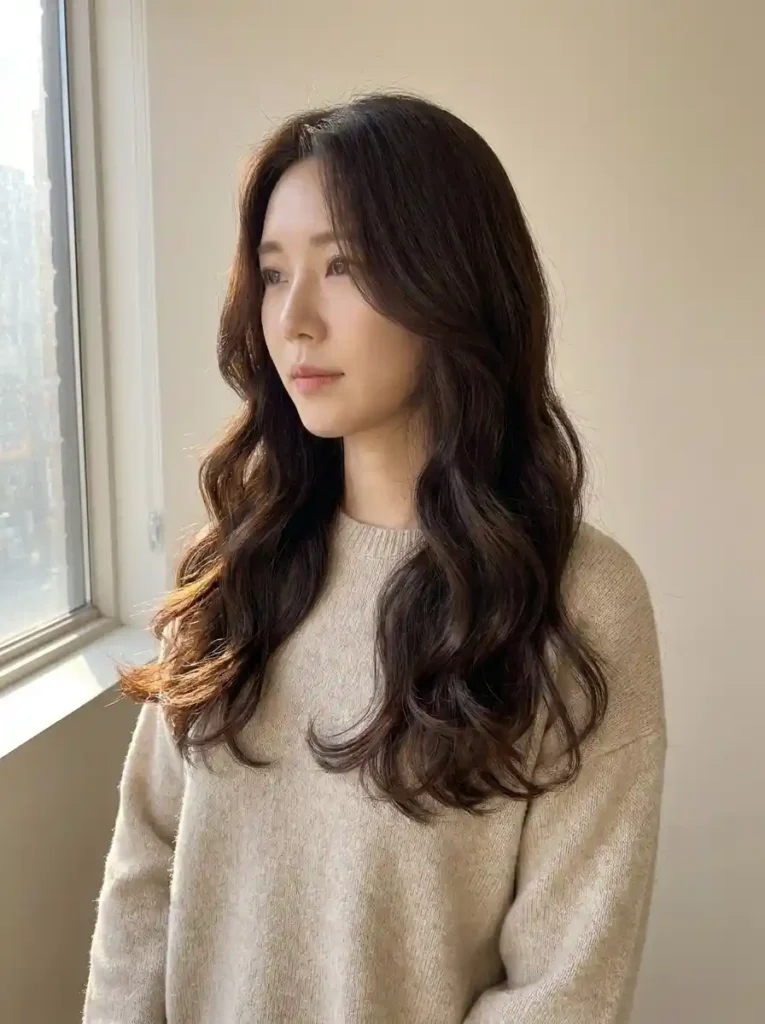
- Creates flowing movement from the face into the lengths.
- Helps long hair look more dimensional and lively.
- Works with straight, wavy, and softly curled textures.
- Customizable layering can complement different face shapes.
A cascading frame can make long hair feel noticeably more shaped without removing its length. The layers begin around the face and gradually connect with the longer sections, creating a continuous flow from the cheekbones toward the shoulders. This arrangement adds dimension and helps prevent long hair from appearing flat or overly heavy. Straight hair shows the clean progression beautifully, while waves create a softer, more romantic effect. I’ve noticed that the exact starting point of the face-framing pieces matters greatly, because placing them according to facial proportions can make the haircut feel more customized and naturally flattering.
The cascading structure also makes styling more versatile because the front sections can become a feature on their own. Blow-drying them away from the face creates lift and movement, while loose waves emphasize the gradual layering throughout the lengths. Thick hair may benefit from subtle internal shaping to reduce excess weight, while fine hair generally needs longer layers that protect density. This cut can be worn casually with natural texture or polished for professional and special-event settings. Maintenance is manageable with regular trims, particularly around the front, where keeping the layers balanced helps the overall shape remain fresh and defined.
15. Rounded Volume Layers
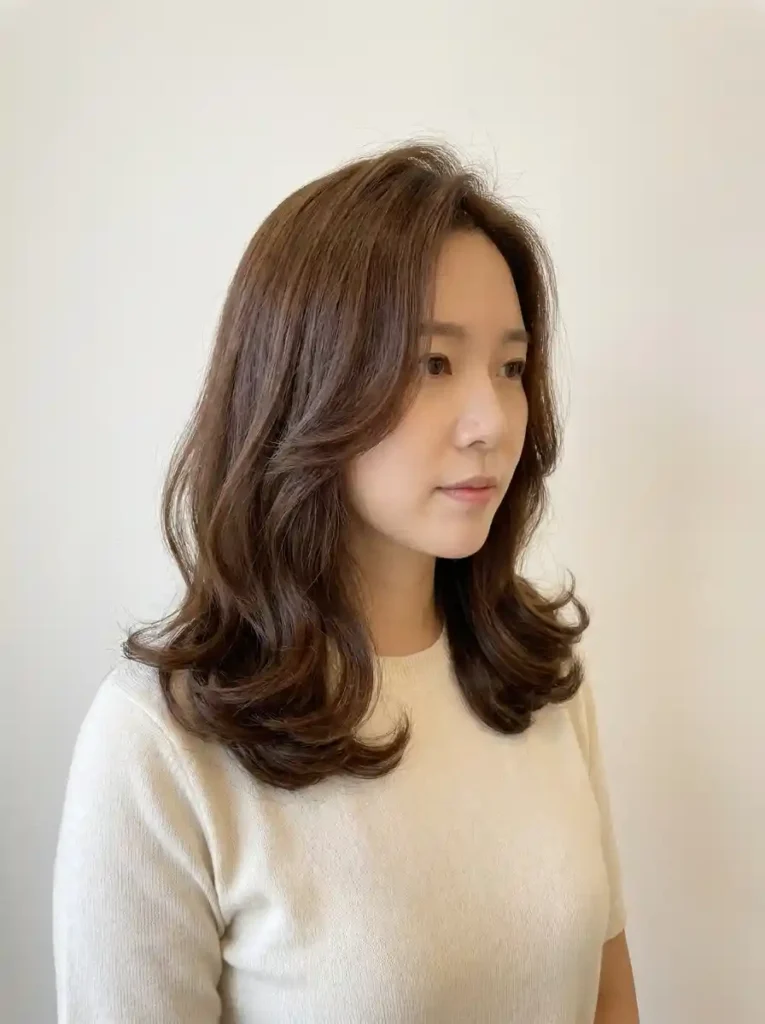
- Builds a soft, fuller-looking silhouette from roots to ends.
- Creates movement without sharp or disconnected sections.
- Suitable for medium, thick, or naturally wavy hair.
- Works well with simple round-brush styling.
Rounded volume layers focus on creating fullness through the overall silhouette rather than relying on extremely short pieces. The layers are blended so the hair rises gently from the roots and continues into curved, movable ends. This gives medium and thick hair a lighter appearance while maintaining visual density. Naturally wavy textures can make the shape look especially lively because each bend highlights the layered structure. Straight hair can achieve a smoother version with a blowout. In my experience, keeping the perimeter strong is important when fullness is the priority, particularly for people with finer strands.
The haircut can also be adapted to different styling preferences without requiring major daily effort. A round brush creates lift at the roots and encourages the ends to curve, while natural drying can leave a softer, less structured result. Thick hair may need selective weight removal between the layers, but excessive thinning can work against the fuller effect. Fine hair often looks best when the stylist uses fewer, strategically placed layers. The rounded shape suits everyday wear, office styling, casual outings, and special occasions. Regular maintenance trims help preserve the balance between volume, movement, and a clean outer shape.
16. Feathered Midi Layers
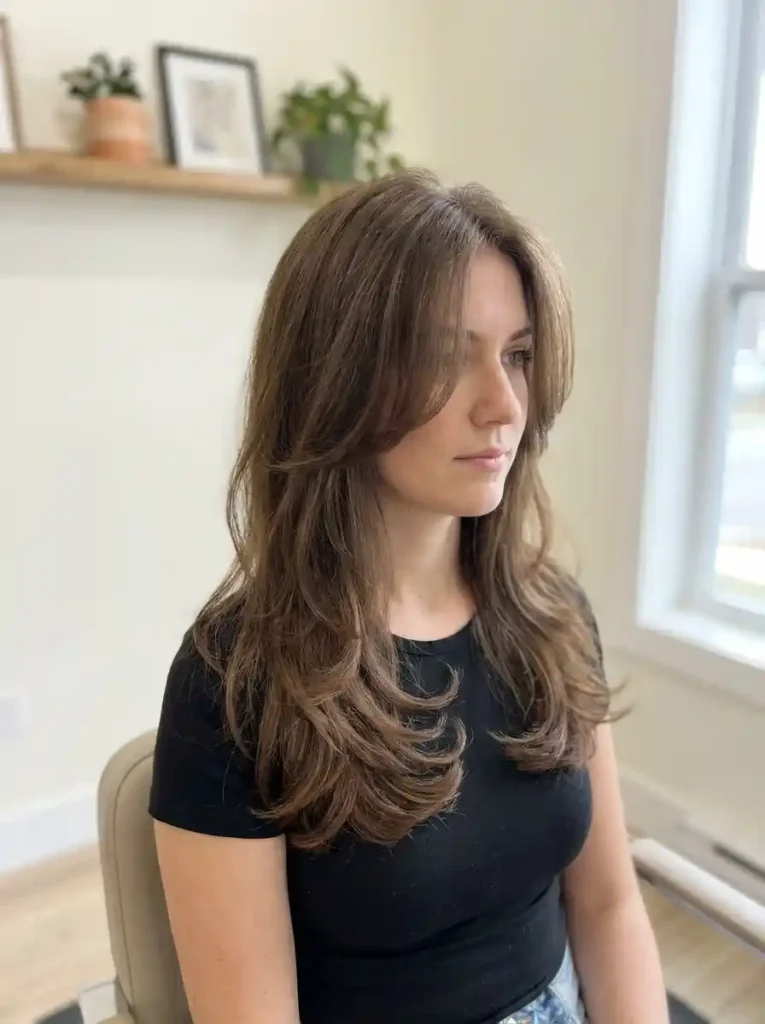
- Adds airy movement while keeping a substantial overall shape.
- Works beautifully with straight or softly wavy hair.
- Feathered ends create a lighter, more polished finish.
- Easy to style with a round brush or large rollers.
A midi haircut feels instantly more lively when feathered layers create movement through the ends. The technique blends each section gradually, allowing the hair to curve rather than fall in one heavy line. This gives medium-length hair a softer silhouette while keeping enough density for a fuller appearance. Straight hair can show the feathering clearly after a smooth blowout, while loose waves make the layers look more relaxed. I’ve noticed that this shape works best when the stylist adjusts the layering to the hair’s natural density, keeping finer areas from becoming too light or wispy.
Styling can be simple enough for everyday routines while still offering plenty of polish for special occasions. A round brush can lift the roots and encourage the feathered ends to sweep outward, while large rollers create a softer, bouncier finish. Naturally wavy hair may need only a lightweight styling cream to define its texture. Thicker strands can handle additional internal movement, whereas finer hair generally benefits from fewer layers and a stronger perimeter. The haircut suits professional outfits, casual weekends, dinners, and events. Regular trims help preserve the feathered shape and keep the ends looking intentional as they grow.
17. Textured Long Layers
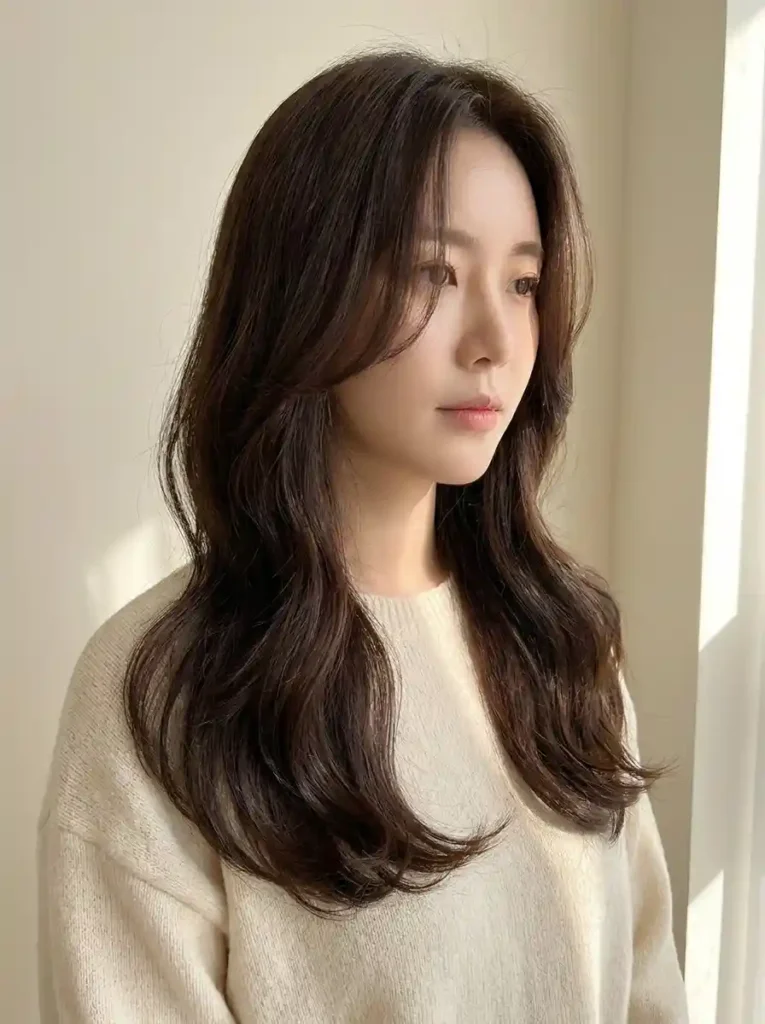
- Adds movement while preserving plenty of length.
- Helps thick hair feel lighter and more manageable.
- Enhances natural waves without requiring heavy styling.
- Blended texture prevents the haircut from looking overly uniform.
Long hair can look dramatically more dynamic when subtle texture is built into the layers. Rather than creating obvious steps, textured long layers distribute movement throughout the lengths while keeping the overall silhouette substantial. This makes the cut especially useful for thick hair that feels heavy or difficult to style. Natural waves can separate the layers beautifully, while straight hair can show a smoother, more controlled version. In my experience, the goal is balance: removing enough weight to encourage movement without taking away the density that makes long hair appear full and healthy.
This shape also gives you freedom to change your styling without changing the haircut itself. Air-dry the hair for relaxed texture, add loose waves for extra dimension, or use a round brush for a smoother, lifted finish. Thick hair may benefit from carefully placed internal layers, while fine hair should avoid excessive texturizing that could make the ends appear thin. Face-framing pieces can be customized according to cheekbones, jawline, and preferred styling habits. Maintenance is relatively manageable, with regular trims keeping the ends neat and the layered structure balanced through everyday wear.
18. Airy Butterfly Layers
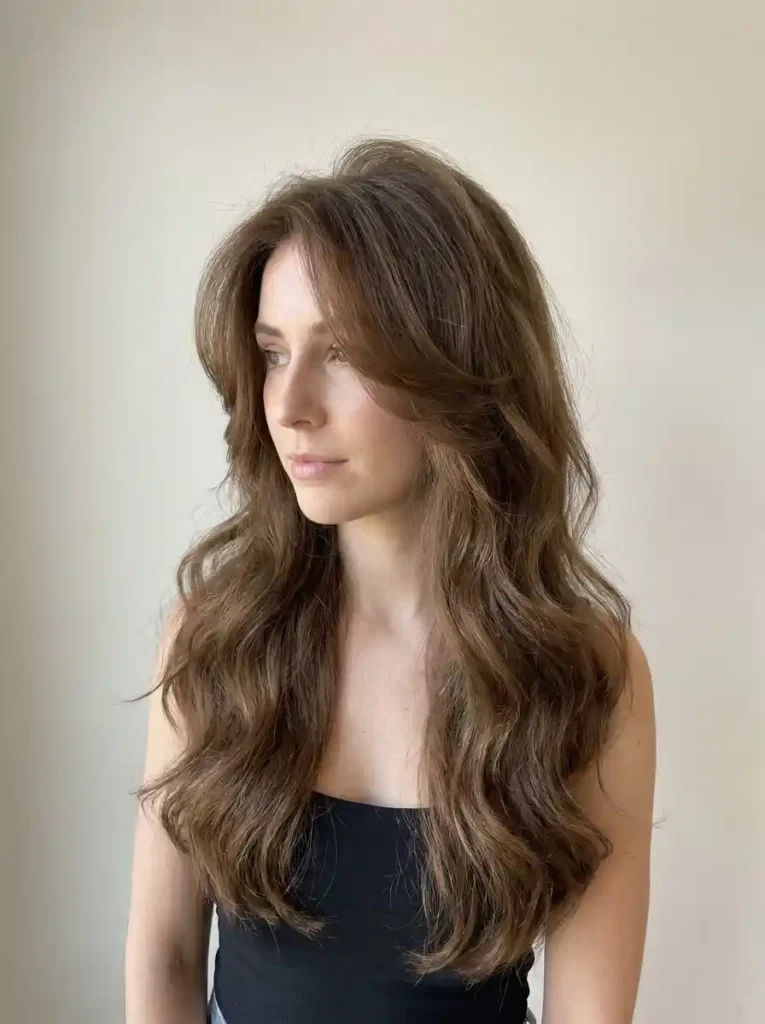
- Creates soft volume while keeping long lengths intact.
- Face-framing pieces add movement around the cheekbones.
- Works especially well with thick or naturally wavy hair.
- A loose blowout makes the layered shape look extra lifted.
A fuller hairstyle does not always require sacrificing length, and airy butterfly layers prove it beautifully. The cut combines shorter upper sections with longer cascading pieces, creating lift around the crown while keeping the lower lengths flowing. Thick or wavy hair can naturally emphasize the separation between layers, while straight hair can reveal a smoother, more polished version. I’ve seen this haircut work beautifully for people who want noticeable movement but still enjoy wearing their hair long. Face-framing sections can also be customized to create softness around the cheekbones, jawline, or chin.
The layered structure offers plenty of styling flexibility without demanding a complicated routine. A round brush can lift the shorter sections and direct them away from the face, while large rollers can create a fuller finish for special occasions. Naturally wavy hair can often rely on its texture with a lightweight styling product. Fine hair usually needs fewer layers to preserve density, while thicker hair can handle more internal movement. Regular trims help keep the face-framing pieces balanced and prevent the ends from becoming uneven. This shape works beautifully for everyday outfits, office styling, casual gatherings, and polished event looks.
19. Rounded Face-Framing Lob
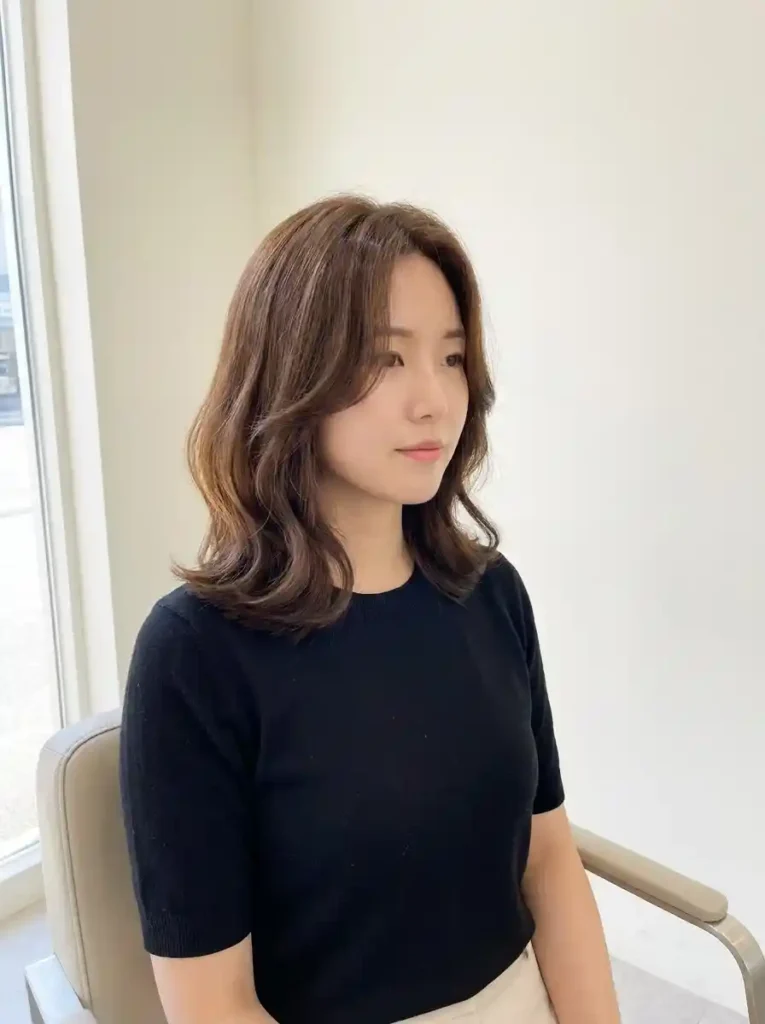
- Gives a shoulder-grazing lob a softer, fuller outline.
- Rounded framing adds movement around the face.
- Works well with straight, wavy, or lightly curled textures.
- Easy to refresh with a quick round-brush blowout.
A shoulder-length lob can look surprisingly voluminous when its front layers are shaped into a gentle rounded curve. Instead of leaving the sides completely uniform, the haircut creates movement around the cheekbones and blends smoothly into the lower lengths. This helps the style feel fuller without adding unnecessary bulk. Straight hair can showcase the curved outline with a sleek finish, while loose waves make the shape softer and more textured. In my experience, keeping the shortest front section carefully placed is essential because even a small change can affect how the haircut frames the face.
The practical length makes this style especially appealing for busy routines. It is short enough to dry quickly but long enough for ponytails, clips, waves, and simple half-up hairstyles. A round brush can create the signature curve, while air-drying gives the layers a more relaxed appearance. Medium or thick hair may benefit from subtle internal shaping to control weight, whereas finer hair generally looks fuller with fewer layers. Regular trims help preserve the shoulder-grazing perimeter and keep the face-framing sections balanced. The finished cut transitions easily from workdays to weekends and dressed-up occasions.
20. Voluminous Oval Layers
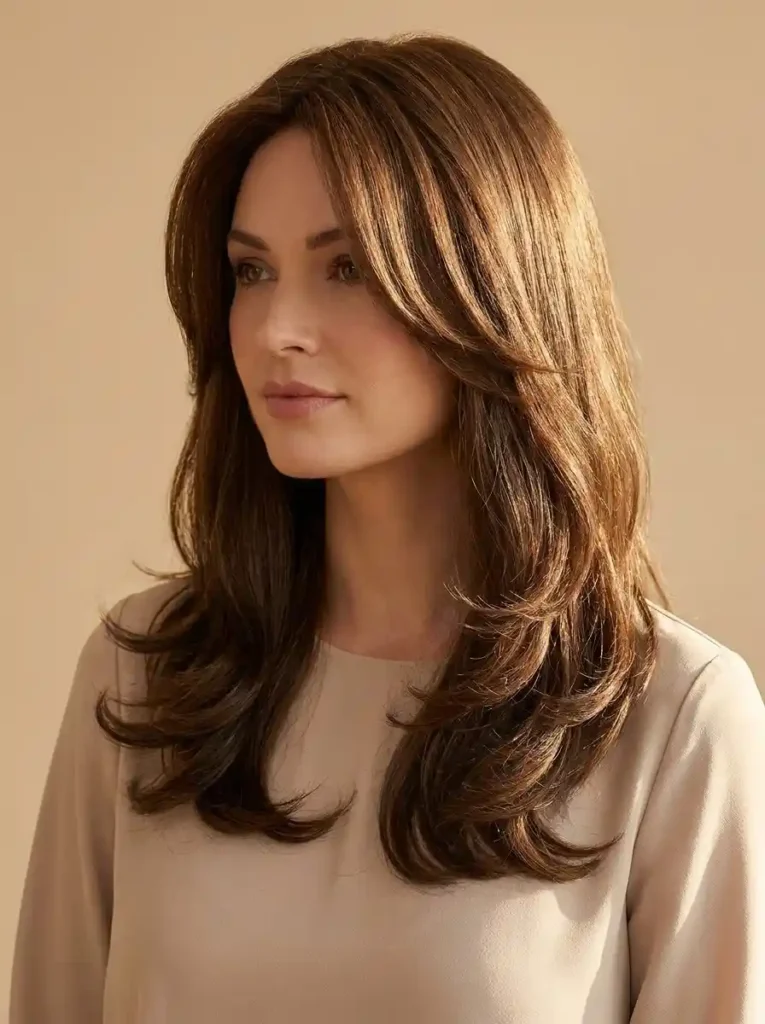
- Builds a smooth, rounded silhouette through the lengths.
- Adds movement without creating harsh layer transitions.
- Can be customized for different face proportions.
- Works well with blowouts, waves, or natural texture.
An oval-shaped layering pattern can give the hair a balanced, flowing silhouette that feels fuller from every angle. The layers gradually build around the head rather than creating sharp horizontal sections, allowing the lengths to move naturally while maintaining visual density. This design works especially well for medium and thick hair, although finer textures can use a lighter version with fewer layers. Straight strands reveal the clean shape, while waves add softness and separation. I’ve noticed that thoughtful face framing makes the biggest difference, because the front layers can be adjusted to complement cheekbones, jawlines, and overall facial proportions.
The result is versatile enough for both low-effort days and more polished styling. A round brush can create lift at the roots and encourage the ends to curve, while loose waves can emphasize the layered movement. For fine hair, preserving weight through the lower perimeter helps maintain a fuller appearance. Thick hair can benefit from selective internal shaping so the finished silhouette does not feel too heavy. The haircut requires moderate maintenance, mainly regular trims to preserve its rounded structure. It works particularly well for everyday wear, professional settings, dinners, celebrations, and photo-ready Pinterest-inspired looks.
21. Lifted Crown Layers
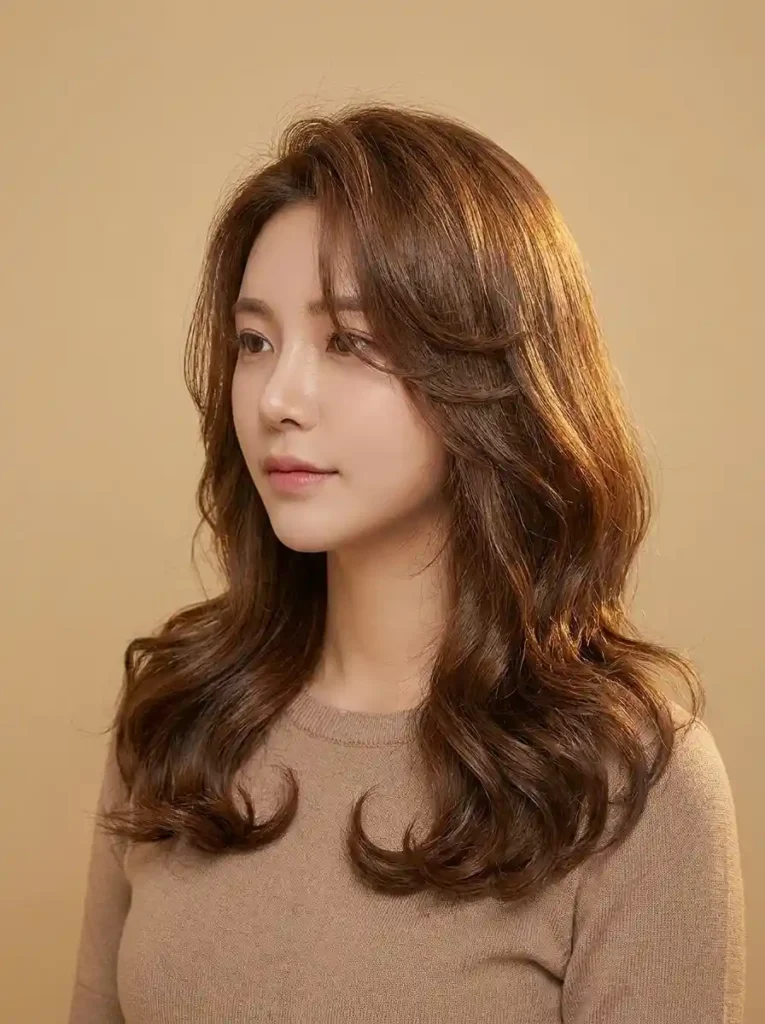
- Adds noticeable volume near the roots and crown.
- Keeps the lower lengths looking full and flowing.
- Particularly useful for hair that tends to fall flat.
- Works with blowouts, waves, and soft everyday styling.
When hair tends to fall flat at the top, carefully placed crown layers can create a more lifted silhouette without dramatically shortening the lengths. The shorter sections encourage movement near the roots, while longer layers underneath preserve fullness through the ends. This approach can work particularly well for medium-density hair that needs extra dimension. Straight textures often show the lifted structure clearly after blow-drying, while waves create a softer, more blended effect. I’ve noticed that keeping the crown layers controlled is important, because too much shortening can make the shape difficult to manage and reduce the fullness through the lower sections.
A simple blowout can bring this haircut to life, but it does not require a salon-level routine every morning. Apply a lightweight volumizing product near the roots, then use a round brush while directing the hair upward and slightly backward. Large rollers can provide longer-lasting lift for occasions when you want more volume. Fine hair benefits from restrained layering, while thicker hair can support additional movement. The finished shape works well for everyday styling, professional looks, celebrations, and photographs. Regular trims help maintain the crown structure and prevent uneven growth from changing the intended silhouette.
22. Airy Butterfly Layers
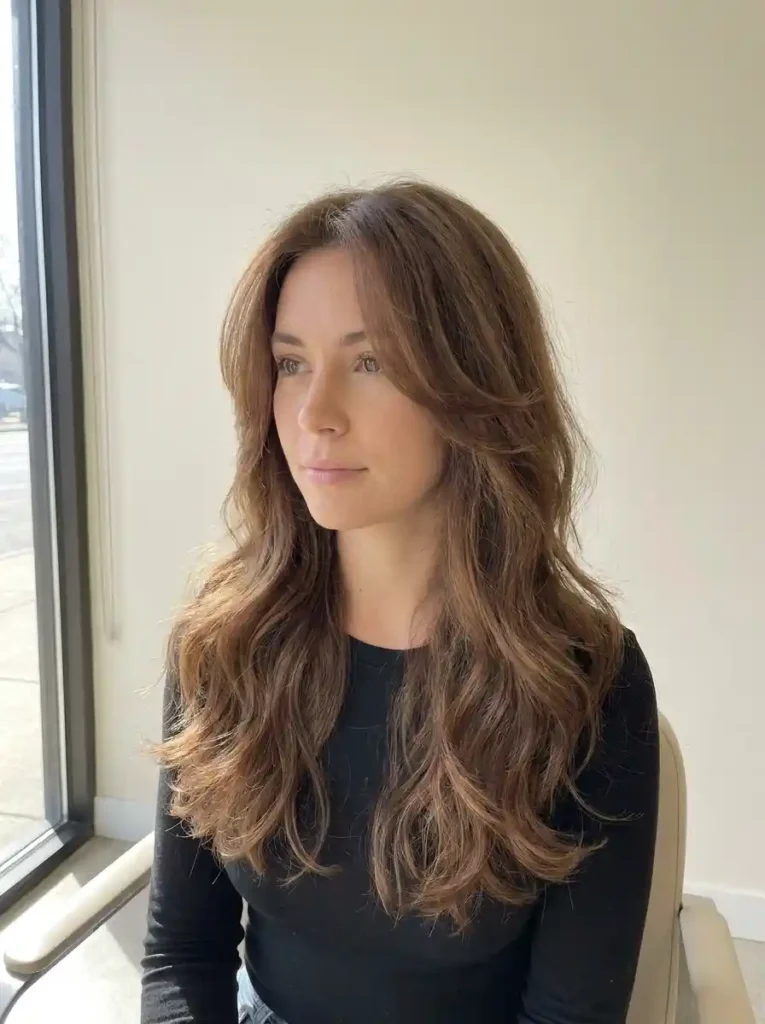
- Creates soft volume while keeping long lengths intact.
- Face-framing pieces add movement around the cheekbones.
- Works especially well with thick or naturally wavy hair.
- A loose blowout makes the layered shape look extra lifted.
A fuller hairstyle does not always require sacrificing length, and airy butterfly layers prove it beautifully. The cut combines shorter upper sections with longer cascading pieces, creating lift around the crown while keeping the lower lengths flowing. Thick or wavy hair can naturally emphasize the separation between layers, while straight hair can reveal a smoother, more polished version. I’ve seen this haircut work beautifully for people who want noticeable movement but still enjoy wearing their hair long. Face-framing sections can also be customized to create softness around the cheekbones, jawline, or chin.
The layered structure offers plenty of styling flexibility without demanding a complicated routine. A round brush can lift the shorter sections and direct them away from the face, while large rollers can create a fuller finish for special occasions. Naturally wavy hair can often rely on its texture with a lightweight styling product. Fine hair usually needs fewer layers to preserve density, while thicker hair can handle more internal movement. Regular trims help keep the face-framing pieces balanced and prevent the ends from becoming uneven. This shape works beautifully for everyday outfits, office styling, casual gatherings, and polished event looks.
23. Rounded Face-Framing Lob
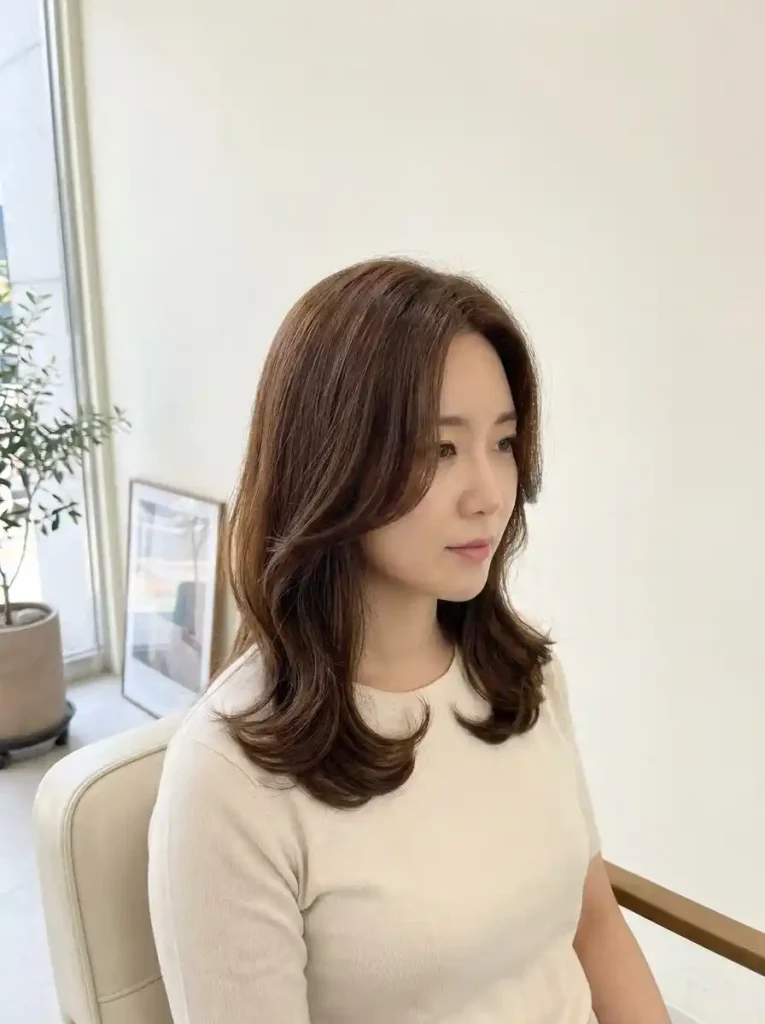
- Gives a shoulder-grazing lob a softer, fuller outline.
- Rounded framing adds movement around the face.
- Works well with straight, wavy, or lightly curled textures.
- Easy to refresh with a quick round-brush blowout.
A shoulder-length lob can look surprisingly voluminous when its front layers are shaped into a gentle rounded curve. Instead of leaving the sides completely uniform, the haircut creates movement around the cheekbones and blends smoothly into the lower lengths. This helps the style feel fuller without adding unnecessary bulk. Straight hair can showcase the curved outline with a sleek finish, while loose waves make the shape softer and more textured. In my experience, keeping the shortest front section carefully placed is essential because even a small change can affect how the haircut frames the face.
The practical length makes this style especially appealing for busy routines. It is short enough to dry quickly but long enough for ponytails, clips, waves, and simple half-up hairstyles. A round brush can create the signature curve, while air-drying gives the layers a more relaxed appearance. Medium or thick hair may benefit from subtle internal shaping to control weight, whereas finer hair generally looks fuller with fewer layers. Regular trims help preserve the shoulder-grazing perimeter and keep the face-framing sections balanced. The finished cut transitions easily from workdays to weekends and dressed-up occasions.
Conclusion: Bouncy Shape Layered Haircuts
The right haircut can make hair feel fresher, more dimensional, and much easier to style. These bouncy shape layered haircuts offer plenty of inspiration for creating visible movement, soft volume, and a beautifully shaped finish without relying on an overly complicated routine. From subtle layers to fuller, more dramatic shapes, there’s an idea to suit different hair lengths and textures.
I’ve seen how the right shape can completely refresh someone’s overall look and make everyday styling feel more enjoyable. Save your favorite ideas to Pinterest, try one that fits your style, and share this collection with someone looking for their next haircut.