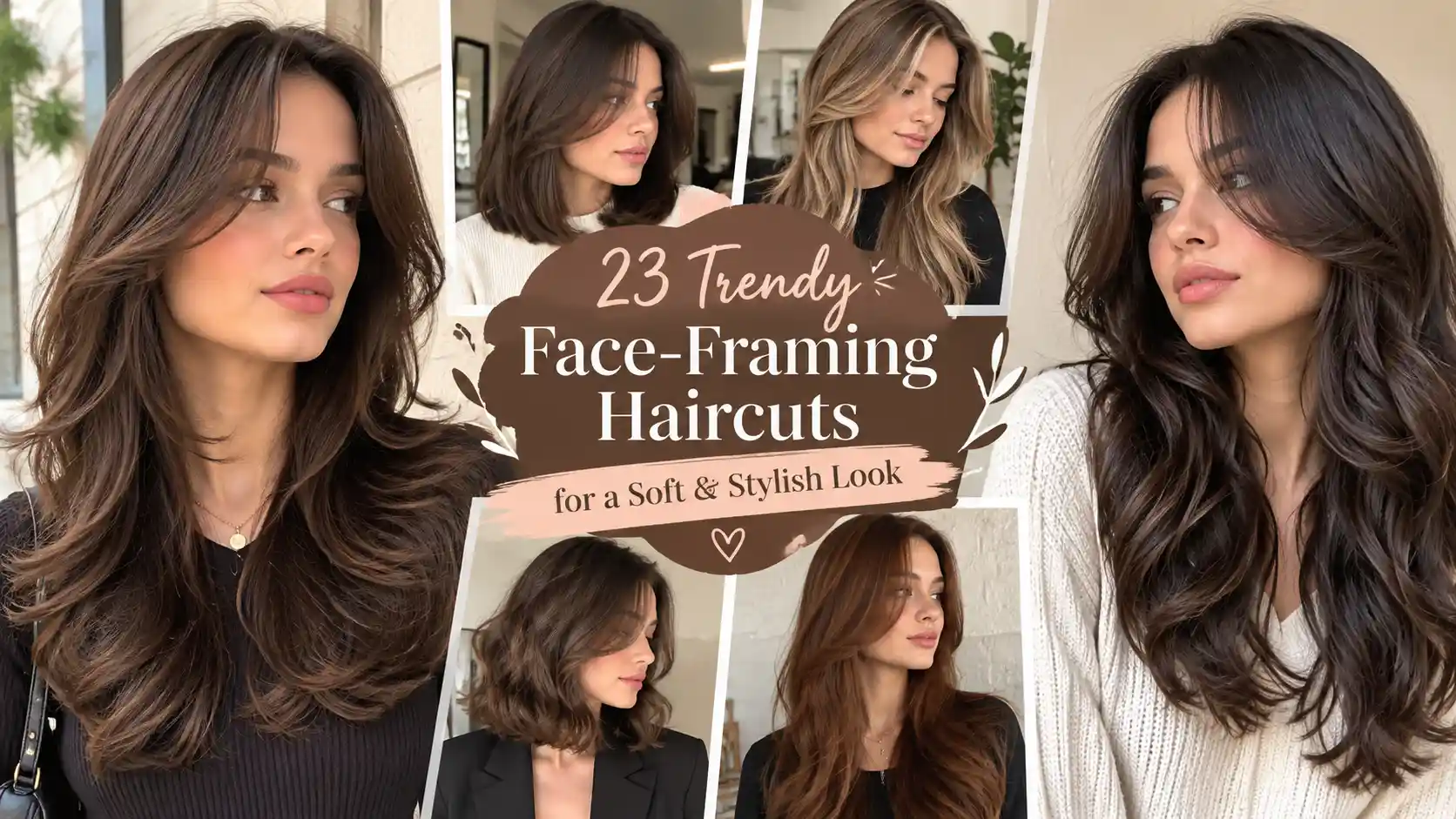
23 Trendy Face-Framing Haircuts for a Soft & Stylish Look
A great haircut can add movement, texture, and personality to your everyday style. Face-framing haircuts are especially popular because they incorporate shorter pieces around the front of the hair, creating a soft transition between the face and the rest of the hairstyle. Whether you prefer long flowing layers, a shoulder-length cut, a textured bob, or a modern shag, there are plenty of ways to personalise this versatile look. Face-framing pieces can also be paired with curtain bangs, side-swept fringes, or subtle layers to create different finishes.
If you are searching for face-framing haircuts, this collection features 23 trendy ideas by Styled Aura for different hair lengths, textures, and personal styles. From polished long layers to playful butterfly cuts and effortless shoulder-length hairstyles, these options offer inspiration for your next salon visit. You can adapt the length and placement of the front layers to suit your preferences, hair texture, and styling routine.
1. Long Face-Framing Layers
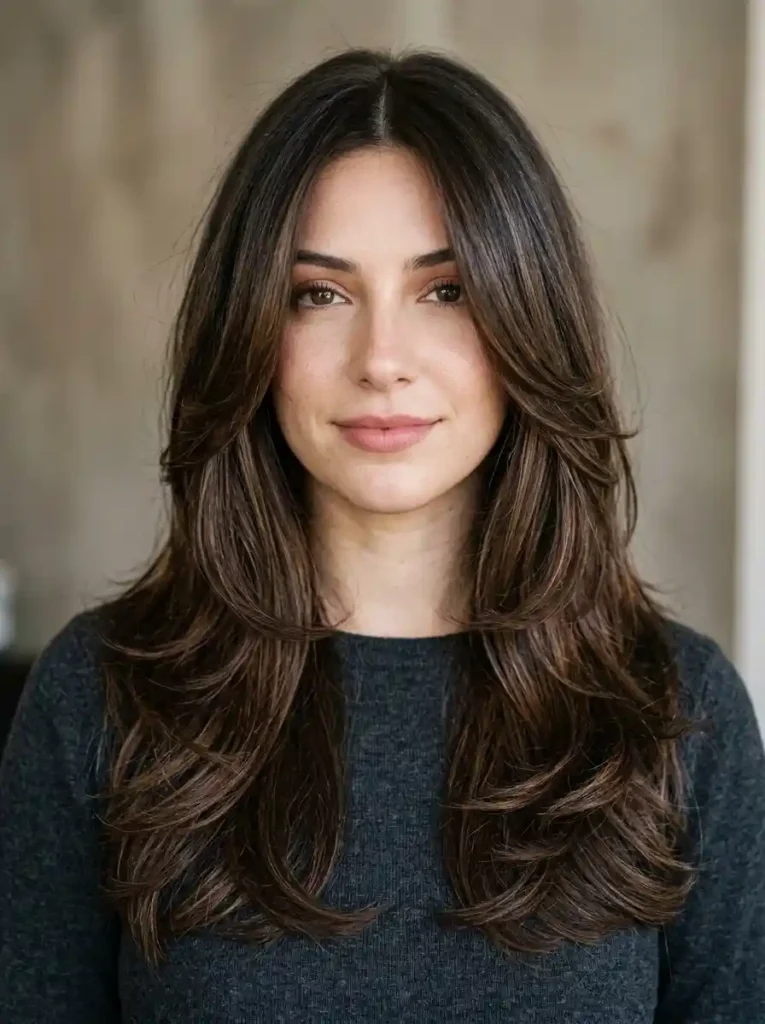
- Keep the overall length long with graduated layers around the front.
- Add soft waves for extra movement.
- Use a round brush to create a smooth, curved finish.
Long face-framing layers are a timeless choice for anyone who wants to refresh their hairstyle without losing much length. The shortest pieces begin around the cheekbones or chin, depending on your preference, and gradually blend into the longer sections. This creates movement around the front while allowing the rest of the hair to maintain its length and fullness. The cut works beautifully on straight, wavy, and softly textured hair, making it a versatile option for everyday styling.
For a polished finish, use a round brush while blow-drying the front layers away from your face. If you prefer a more relaxed appearance, allow your natural texture to show and add a small amount of lightweight styling cream to the ends. Regular trims help maintain the shape and prevent the front layers from losing their definition. You can wear this haircut with a middle part, a slightly off-centre part, or a deep side part to create different looks.
2. Butterfly Haircut with Face-Framing Pieces
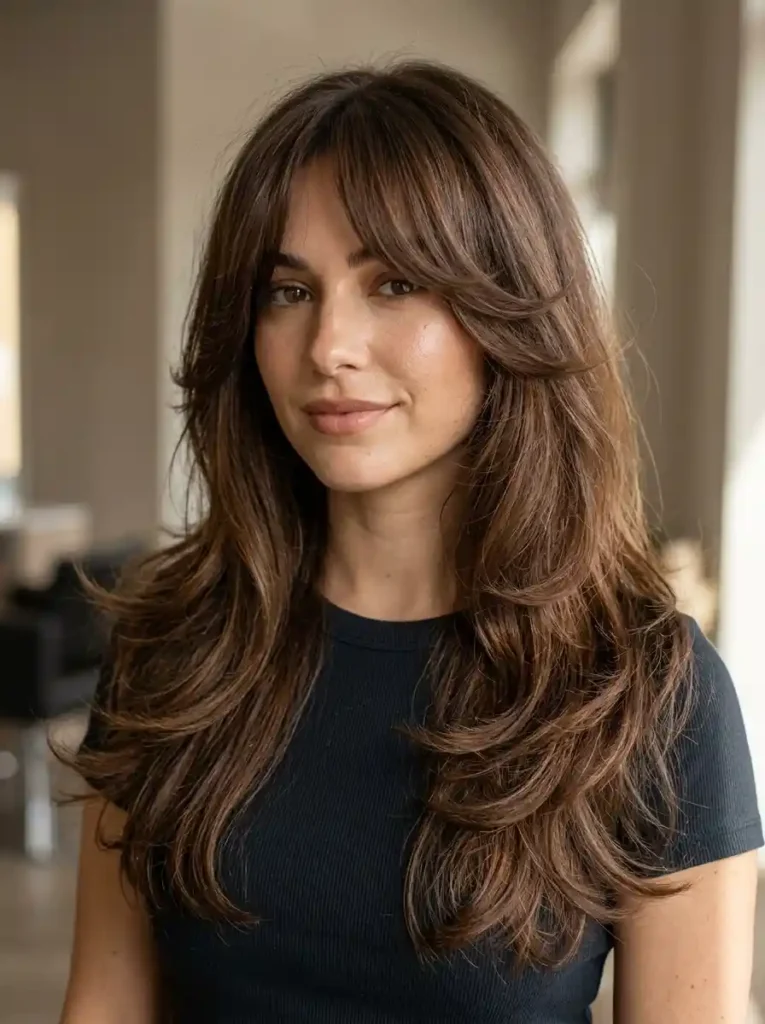
- Combine shorter, voluminous layers with longer lengths.
- Add curtain-style front pieces for a flowing effect.
- Blow-dry with a large round brush for extra bounce.
The butterfly haircut is a popular option for creating the appearance of shorter, fuller layers while preserving long hair. Its defining feature is the contrast between the shorter layers around the crown and face and the longer lengths underneath. Face-framing pieces help connect these layers, giving the hairstyle a soft, airy finish. This cut is particularly appealing if you enjoy hairstyles with movement and volume but do not want to commit to a shorter overall length.
To style it, blow-dry the front sections away from your face and use a round brush to lift the roots gently. Large rollers can help create a bouncy salon-style finish, while loose waves offer a more casual alternative. Ask your stylist to adjust the amount of layering according to your hair’s thickness and natural texture. This can help the haircut feel balanced and manageable rather than overly layered.
3. Shoulder-Length Face-Framing Haircut

- Choose a length around the shoulders or collarbone.
- Add shorter front layers that blend into the ends.
- Style with loose bends or a smooth blowout.
A shoulder-length face-framing haircut offers a practical middle ground between long hair and a shorter bob. The length feels light and manageable while still allowing enough hair for ponytails, half-up styles, and loose waves. Subtle front layers bring movement around the cheeks and jawline without making the rest of the haircut look too thin. This makes the style suitable for a range of hair textures, from naturally straight strands to soft waves.
For everyday wear, apply a heat protectant and create a gentle bend through the mid-lengths with a blow-dryer or styling tool. You can also let your hair air-dry if you prefer a natural finish. A centre part gives the cut a modern appearance, while a side part can add a little extra volume at the front. Ask your stylist to keep the layers blended so the haircut grows out gracefully between appointments.
4. Face-Framing Curtain Bangs
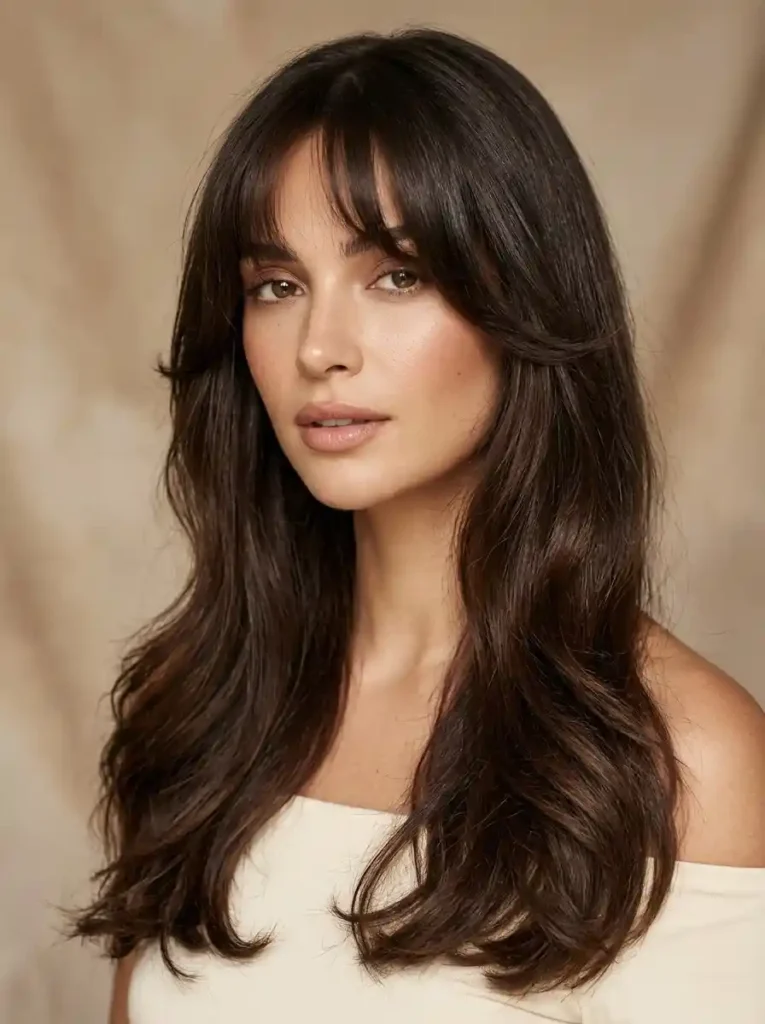
- Pair long layers with a centre-parted fringe.
- Keep the bangs shorter in the middle and longer at the sides.
- Use a round brush to sweep them gently outward.
Curtain bangs are an easy way to introduce face-framing detail without changing the entire haircut. They part naturally near the centre and sweep toward the sides, blending into the longer layers around the temples and cheeks. Depending on your preferred length, they can sit around the eyebrows, cheekbones, or jawline. This flexibility makes curtain bangs a popular addition to long hair, medium-length cuts, and layered hairstyles.
To keep the fringe looking fresh, blow-dry it from side to side before directing both sections away from the face. This helps create a soft curve rather than a flat or separated finish. A small amount of lightweight styling product can control flyaways without weighing the hair down. If you are new to bangs, consider starting with longer curtain pieces that can be tucked behind your ears while you get used to styling them.
5. Textured Face-Framing Bob

- Choose a bob that sits around the chin or jaw.
- Add subtle texture through the ends.
- Keep the front pieces slightly longer for a blended shape.
A textured face-framing bob gives a classic short haircut a modern, relaxed finish. The hair sits around the chin or jawline, while carefully placed front pieces soften the transition between the fringe area and the sides. Light texture through the ends prevents the cut from looking too rigid and helps create natural movement. This style can work well on straight and wavy hair, although the exact layering should be adjusted to suit the hair’s density.
For a sleek finish, blow-dry the hair with a paddle brush and gently curve the front sections inward or outward. If you prefer a casual appearance, use a small amount of texturising cream and let the natural bends show. The bob can be worn with a centre part for a balanced look or a side part for extra lift. Discuss the length with your stylist so the front pieces sit where you want them when your hair is dry.
6. Face-Framing Layers with Side Bangs

- Pair long or medium layers with a side-swept fringe.
- Keep the front pieces blended into the sides.
- Add soft waves for natural movement.
Side bangs offer a lovely alternative to a centre-parted fringe, especially if you enjoy hairstyles with a little extra movement at the front. The fringe sweeps diagonally across the forehead and gradually blends into face-framing layers, creating a connected and polished shape. This haircut works with a variety of lengths, from shoulder-grazing styles to long hair. Your stylist can customise the fringe length and angle according to your hair texture and preferred parting.
For everyday styling, blow-dry the bangs in the opposite direction first, then sweep them into place to encourage a natural curve. Loose waves through the remaining lengths can make the layers look more defined, while a smooth blowout creates a refined finish. Use a lightweight styling cream to control flyaways without making the fringe feel heavy. Regular trims can help maintain the shape, particularly if you prefer your bangs to sit neatly around the eyes.
7. Face-Framing Shag Haircut
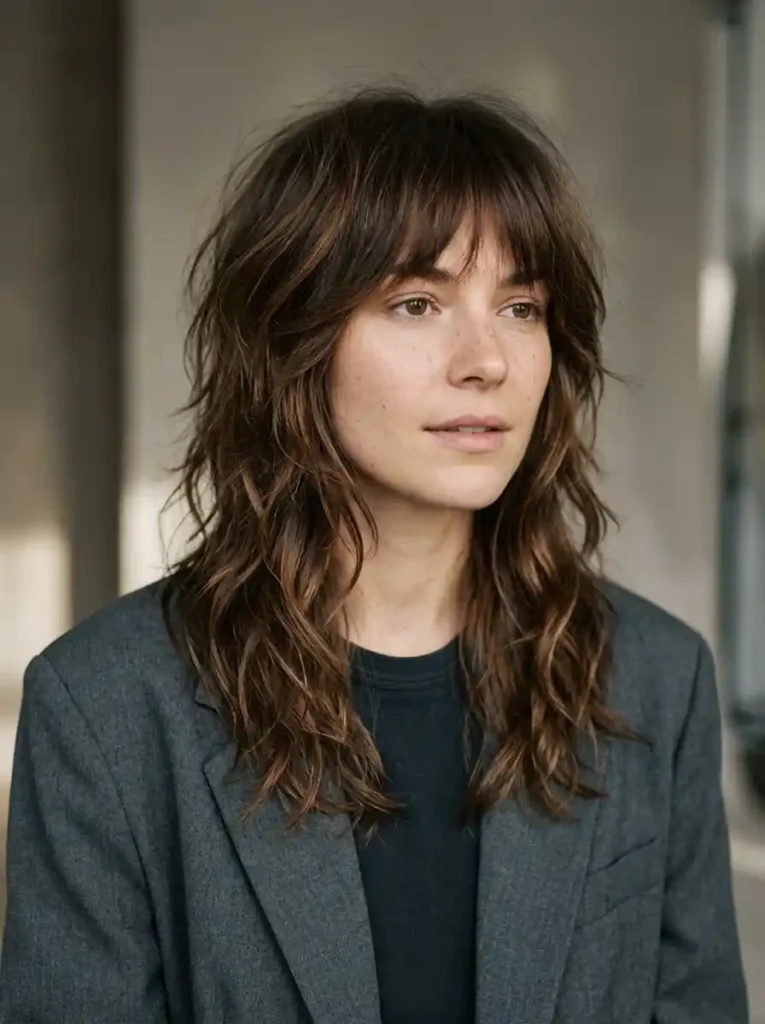
- Add choppy layers through the crown and sides.
- Choose wispy bangs or a relaxed fringe.
- Enhance the natural texture with lightweight styling cream.
The face-framing shag is ideal for anyone who enjoys a relaxed haircut with plenty of texture and movement. It combines shorter layers around the crown with graduated pieces around the cheeks and jaw, creating a deliberately undone appearance. Depending on your preference, the cut can sit at the shoulders or extend further down the back. Wispy bangs can add to its vintage-inspired character, while a longer fringe creates a softer, more modern interpretation.
Styling this haircut is usually about enhancing texture rather than creating a perfectly smooth finish. Apply a small amount of curl cream or texturising product to damp hair, then allow it to air-dry or use a diffuser if your hair has a natural wave. Straight hair can benefit from a few loose bends to emphasise the layers. Ask your stylist to tailor the amount of choppiness to your hair density so the final shape remains comfortable and easy to maintain.
8. Collarbone Cut with Soft Front Layers
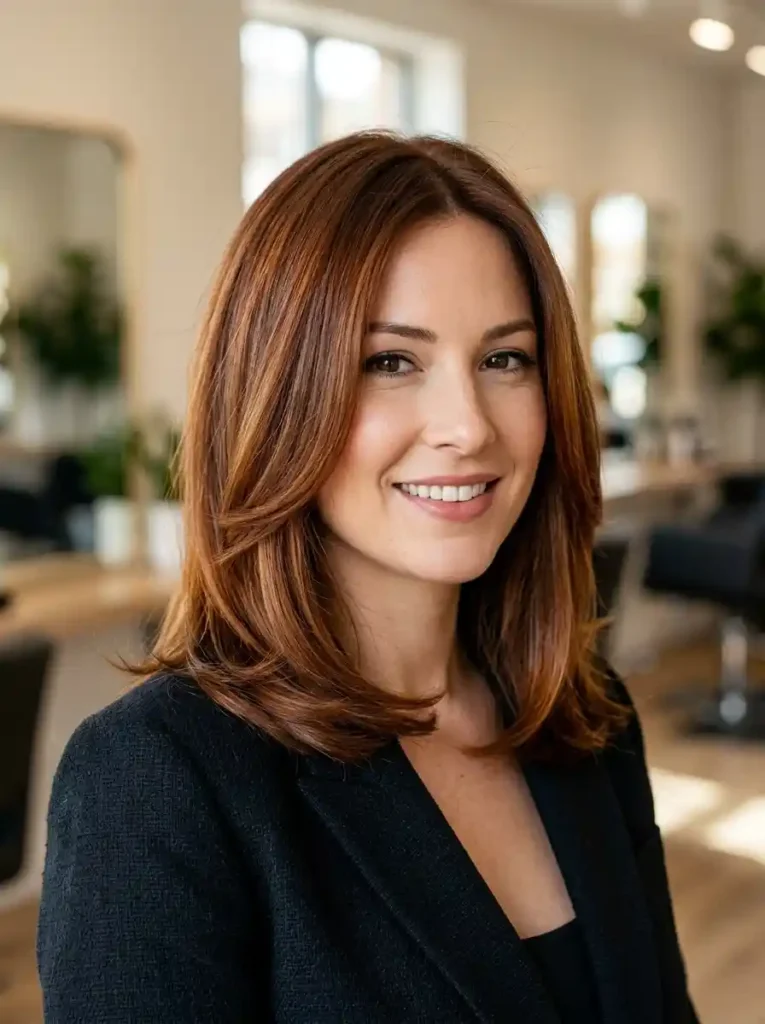
- Keep the length around the collarbone.
- Add subtle layers starting near the chin.
- Finish with a smooth blowout or gentle waves.
A collarbone haircut is a versatile choice for anyone who wants a noticeable refresh without going very short. The length sits around the collarbone, creating a neat outline that works with casual outfits and more polished looks. Soft front layers add movement around the face while keeping the overall shape relatively full. You can ask for minimal layering at the back and slightly shorter pieces at the front for a balanced, understated finish.
For a smooth everyday look, blow-dry the hair with a round brush and curve the ends slightly inward. Loose waves can give the cut a more relaxed appearance, while a centre part keeps the style modern and simple. This haircut also works well with a low ponytail or half-up hairstyle. Before your appointment, discuss how much length you want to retain and whether you prefer visible layers or a more subtle transition.
9. Long Face-Framing Layers with Wispy Bangs

- Combine long layers with a light, airy fringe.
- Keep the bangs soft rather than heavily blunt.
- Add loose curls through the lengths for movement.
Wispy bangs and long face-framing layers create a soft hairstyle that feels light without sacrificing length. The fringe sits delicately across the forehead, while the longer front pieces blend into the sides of the haircut. This combination works particularly well if you like a slightly romantic finish but do not want a thick, full fringe. Your stylist can adjust the bang density and the starting point of the layers to suit your natural hair texture.
To style the look, use a small round brush on the fringe and direct the longer front pieces away from the face. Loose curls or soft waves can highlight the graduated layers, while naturally straight hair creates a more understated finish. Keep styling products lightweight so the wispy sections retain their movement. If you prefer a lower-maintenance option, ask for longer bangs that can be tucked behind the ears as they grow.
10. Face-Framing Butterfly Bob
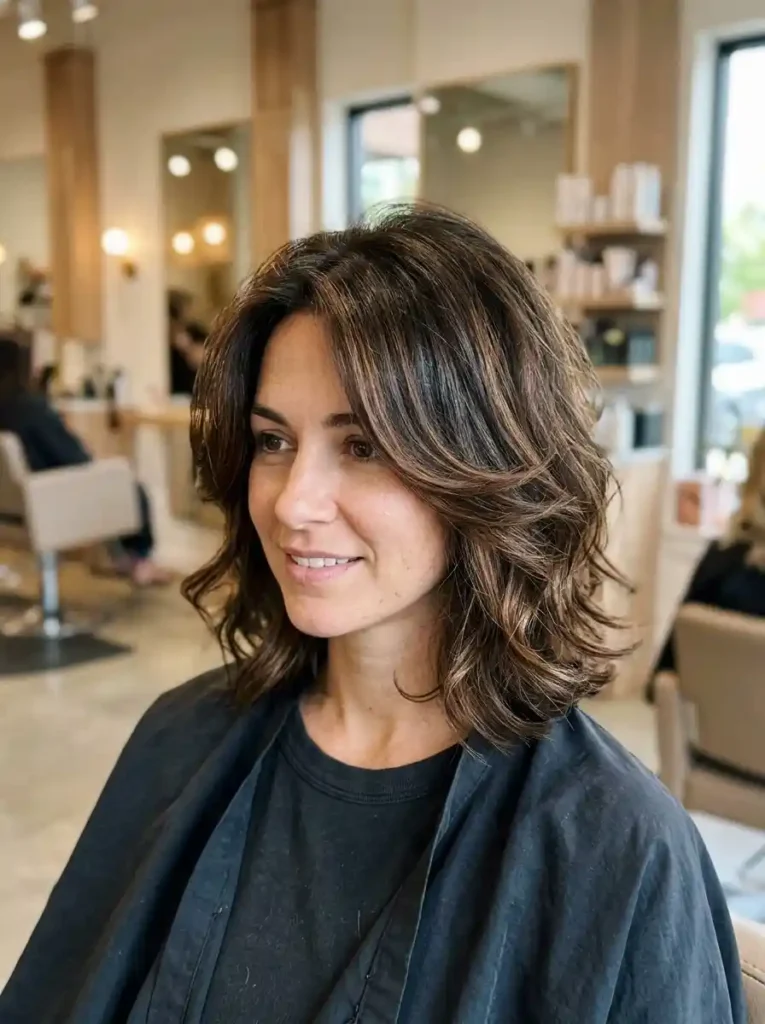
- Combine a bob-length outline with shorter, lifted layers.
- Keep the front sections sweeping outward.
- Use a round brush for a bouncy finish.
A butterfly bob brings the volume and movement of a butterfly haircut into a shorter, more manageable shape. The overall length usually sits around the chin or shoulders, while shorter layers create fullness around the crown and face. The front sections can be shaped to sweep outward, giving the haircut its distinctive airy appearance. It is a stylish option if you enjoy layered hairstyles but prefer not to maintain very long hair.
For a salon-inspired finish, blow-dry the crown with gentle lift and direct the front sections away from the face. Large rollers can help maintain the curved shape, while a light texturising spray adds definition without making the hair stiff. Because the haircut relies on its layered silhouette, ask your stylist how the shape will work with your natural texture. A slightly longer version can offer more flexibility if you like tying your hair back occasionally.
11. Face-Framing Layers for Thick Hair
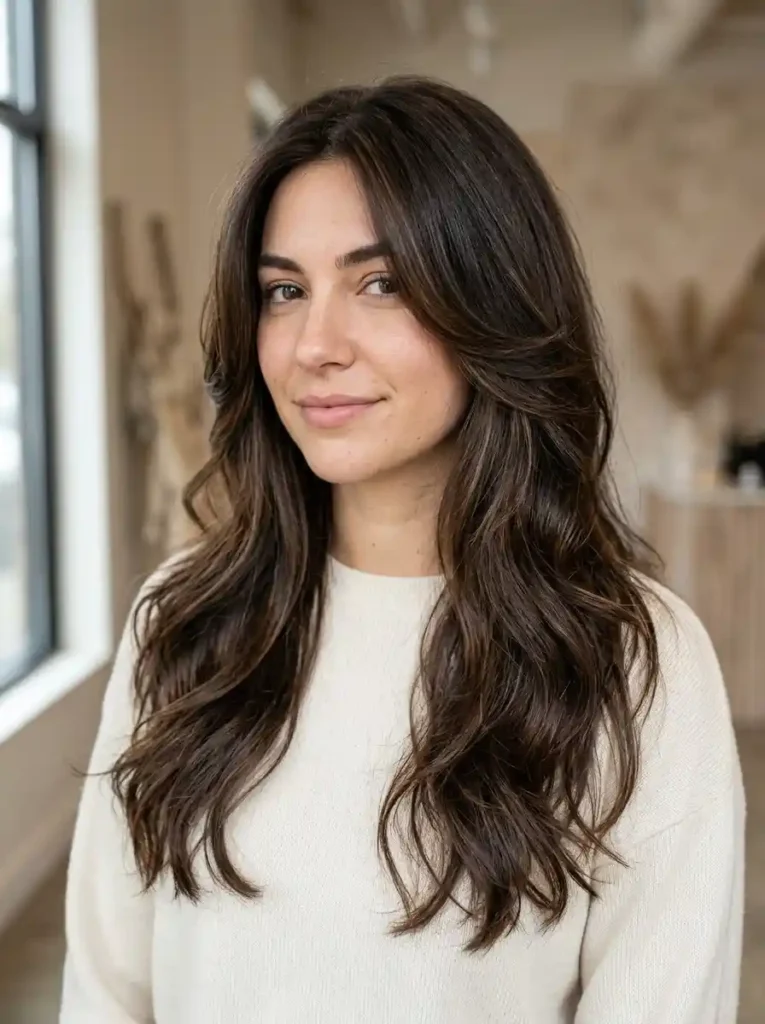
- Ask for carefully blended internal and front layers.
- Retain enough length to preserve the overall shape.
- Style with a large round brush or loose waves.
Thick hair can look beautifully full, but its weight sometimes makes long styles feel less mobile. Face-framing layers introduce movement around the front while allowing the main length to remain substantial. A skilled stylist can use a combination of graduated front layers and carefully placed internal layers to reduce excess bulk where needed. The aim is to create a shape that moves naturally without making the ends look sparse or uneven.
At home, divide the hair into manageable sections before blow-drying so the front layers receive enough attention. A heat protectant helps prepare the hair for styling, while a smoothing cream can control frizz and enhance shine. Loose waves can show off the different lengths, but a straight finish also looks polished. Explain your styling routine to your hairdresser so the cut suits the amount of time you realistically want to spend getting ready.
12. Face-Framing Layers for Fine Hair

- Keep the base relatively full.
- Add light front layers rather than excessive layering throughout.
- Use a root-lifting product for gentle volume.
Fine hair can benefit from a face-framing haircut that creates movement without removing too much density from the ends. A soft, graduated shape around the front helps the hairstyle look more dimensional, while a relatively full perimeter preserves the appearance of thickness. This approach can work on medium or long hair, depending on your preferred length. Ask your stylist to assess your hair’s density as well as individual strand thickness before deciding how many layers to add.
For styling, apply a lightweight volumising product near the roots and blow-dry with a round brush to create gentle lift. Avoid heavy creams and oils near the front if they make your hair fall flat. Soft bends around the face can add dimension, but the cut also looks elegant when worn straight. A small amount of dry shampoo at the roots between washes may help refresh volume without requiring a complete restyle.
13. Wavy Lob with Face-Framing Pieces

- Choose a long bob that sits between the chin and shoulders.
- Add blended layers around the front.
- Enhance natural waves with a lightweight curl product.
A wavy lob combines the practicality of a shorter haircut with enough length to create soft, flowing texture. Face-framing pieces help the waves fall naturally around the cheeks and jaw rather than forming a single, uniform shape. This style works especially well for naturally wavy hair, although straight hair can also achieve the look with a few loose bends. The lob can be customised to sit closer to the chin or lower toward the shoulders.
After washing, apply a lightweight curl-enhancing product and scrunch the hair gently to encourage natural movement. Let it air-dry or use a diffuser on a suitable setting to maintain the wave pattern. If you prefer a more polished finish, use a curling tool to create loose, alternating bends. Ask your stylist to consider how your hair shrinks or expands as it dries so the face-framing pieces finish at your preferred length.
14. U-Shaped Haircut with Face-Framing Layers
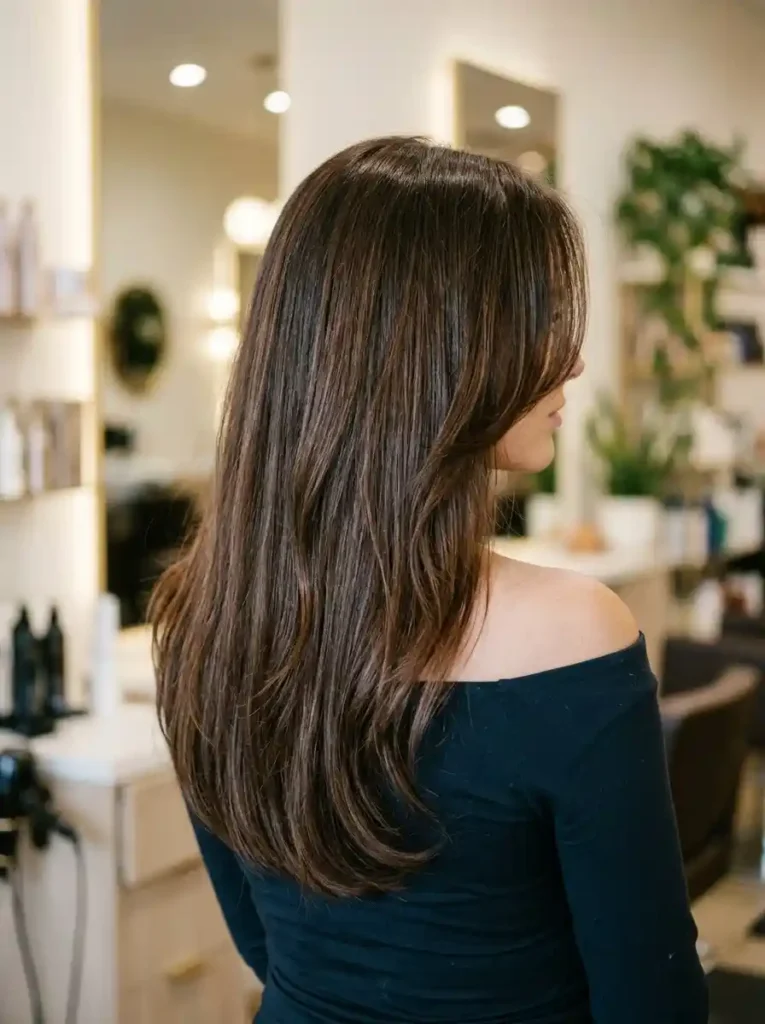
- Keep the back shaped into a soft U.
- Add graduated front pieces that blend into the sides.
- Use a smooth blowout to highlight the overall shape.
A U-shaped haircut is a great option for maintaining long hair while giving the ends a more considered silhouette. Viewed from behind, the length curves gently into a rounded U rather than forming a straight line. Face-framing layers complement this shape by adding movement around the front without dramatically changing the overall length. The result is a versatile haircut that can look polished when straight or more relaxed when styled with waves.
To showcase the cut, blow-dry the hair in sections and use a round brush to create a soft curve through the ends. Loose waves can highlight the graduated front layers and the rounded outline. When visiting the salon, explain how much length you want to keep and ask your stylist to check the shape from both the front and back. This helps ensure the layers blend naturally and the overall silhouette remains balanced.
15. Face-Framing Layers with a Deep Side Part

- Create a deep side part for extra root lift.
- Keep the front layers sweeping diagonally.
- Add a smooth finish or soft, loose curls.
A deep side part changes the appearance of a layered haircut without requiring a dramatic cut. The hair falls across the forehead at an angle, while the front layers sweep away from the face and blend into the remaining lengths. This creates a side-swept silhouette that can look particularly elegant with medium or long hair. It is a useful option if you enjoy changing your hairstyle with minimal effort between salon appointments.
To style the look, part the hair while it is damp and blow-dry the roots in the desired direction. A round brush can help lift the heavier side and shape the front pieces. Finish with a light smoothing product or a few loose curls through the lengths. If your hair naturally separates along a different parting, ask your stylist to show you how to work with its growth pattern rather than forcing an uncomfortable direction.
16. Medium-Length Wolf Cut

- Blend shaggy layers with a slightly longer outline.
- Add soft fringe or curtain bangs if desired.
- Use texturising spray to define the ends.
A medium-length wolf cut combines the relaxed texture of a shag with the volume and layering associated with a mullet-inspired shape. Shorter layers around the crown add movement, while longer pieces maintain enough length for versatile styling. Face-framing sections help soften the transition around the cheeks and jaw. The finished look can be subtle and wearable or more dramatically textured, depending on how strongly the layers are cut.
For a casual finish, work a small amount of texturising product through damp hair and scrunch the ends gently. A diffuser can enhance natural waves, while a blow-dryer and round brush can create a smoother version. Because this haircut has a distinct silhouette, discuss the amount of layering with your stylist before committing to a heavily textured result. The right balance can make the haircut easier to style and more suited to your everyday routine.
17. Sleek Straight Hair with Face-Framing Layers

- Keep the lengths smooth and polished.
- Add subtle front layers beginning near the cheekbones.
- Use heat protectant before straightening.
Straight hair provides a clear view of the shape and blending of face-framing layers. The front pieces create a gentle change in length around the face, while the remaining hair maintains a sleek, uninterrupted appearance. This style can work with medium or long hair and is suitable for anyone who prefers a neat finish rather than pronounced curls. The layers can be subtle or more noticeable depending on the difference between the front pieces and the main length.
To style the haircut, apply heat protectant and blow-dry the hair in sections, directing the front layers slightly away from the face. A straightening tool can smooth the lengths if needed, but avoid repeatedly passing over the same section. Finish with a small amount of lightweight serum on the ends to add shine. Regular trims help maintain the clean outline and prevent the front pieces from looking uneven as the haircut grows.
18. Curly Hair with Face-Framing Layers

- Ask for layers that follow your natural curl pattern.
- Keep the front pieces long enough to frame the face when dry.
- Use a curl cream to support definition and reduce frizz.
Face-framing layers can look beautiful on naturally curly hair when the cut is shaped around the hair’s individual curl pattern. Carefully placed layers help distribute volume and allow curls to fall more freely around the cheeks and jaw. Because curls can spring up considerably as they dry, the ideal starting length may differ from that of a straight haircut. A stylist experienced with curly hair can help determine the placement and amount of layering needed for your preferred shape.
For styling, apply curl cream or gel to damp hair and distribute it evenly without disturbing the curl pattern too much. Scrunch gently and allow the hair to air-dry or use a diffuser. Avoid brushing dry curls if it creates unwanted frizz; instead, use your fingers or a suitable wide-tooth comb when the hair is wet. A refresh spray can help revive the front pieces between wash days while keeping the overall shape soft and defined.
19. Face-Framing Layers with Balayage

- Combine blended front layers with a dimensional colour.
- Choose soft highlights that complement your base shade.
- Style with loose waves to reveal the colour transitions.
Face-framing layers can be enhanced with balayage, a colouring technique that creates softly blended highlights through the hair. Lighter pieces around the front bring attention to the movement of the haircut, while subtle colour variation throughout the lengths adds dimension. You can choose caramel tones on brunette hair, honey shades on dark blonde hair, or cooler beige highlights for a more muted finish. The result can be customised from understated to more noticeable according to your colour preference.
Loose waves are particularly effective for showing the transition between the darker base and lighter pieces. Use a heat protectant and avoid excessive heat to help maintain the appearance of coloured hair. A colour-safe shampoo and conditioner may also help keep the hair feeling manageable. Before booking, discuss your desired level of contrast with your colourist so the highlights complement the haircut rather than overpowering the face-framing shape.
20. Chin-Length Bob with Longer Front Pieces

- Choose a chin-length bob with a slightly longer front.
- Keep the back neat and the front softly graduated.
- Style the ends inward or outward for different finishes.
A chin-length bob with longer front pieces creates a modern outline that feels polished without looking overly rigid. The shorter back and gently extended front sections introduce a subtle angled shape, while the longer pieces around the face soften the overall appearance. This haircut can work well on straight hair and can also be adapted for gentle waves. The precise angle can be kept understated or made more noticeable depending on your preferred style.
For a sleek finish, blow-dry the hair with a paddle brush and use a round brush to curve the front sections. A little texture at the ends can make the haircut feel more relaxed, especially when paired with casual outfits. Because the front length is an important part of the shape, regular trims can help preserve the angle. Ask your stylist to show you how the bob will sit with your usual parting and natural hair texture.
21. Long Layers with Flipped-Out Ends

- Keep long layers throughout the hair.
- Flip the ends gently outward with a round brush.
- Add shorter front pieces for a connected shape.
Flipped-out ends bring a playful retro-inspired detail to long face-framing layers. The haircut retains its length, while graduated pieces around the front help the outward curves blend naturally into the rest of the hair. This look works particularly well on medium to long hair and can be styled with a soft, voluminous blowout. The flipped finish creates movement at the ends without requiring tight curls or a complicated styling routine.
To achieve the look, blow-dry the hair with a round brush and turn the ends outward as you reach the bottom of each section. You can vary the intensity from a subtle curve to a more noticeable flip. Keep the front layers light enough to move naturally and use a flexible-hold styling spray if you want the shape to last longer. The haircut also looks attractive when worn straight, making it easy to switch between different finishes.
22. Soft Face-Framing Layers for Medium Wavy Hair
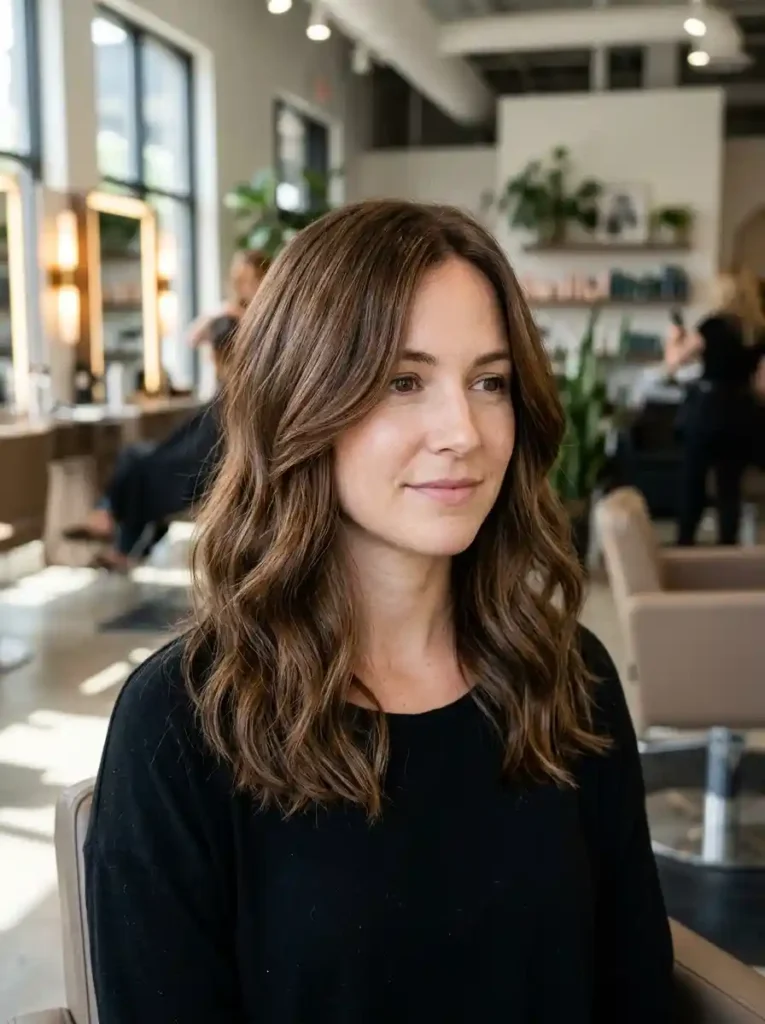
- Keep the length around the shoulders or upper chest.
- Add gentle layers around the cheeks and jaw.
- Define natural waves with a lightweight styling product.
Medium wavy hair pairs naturally with face-framing layers because its texture creates movement without needing extensive styling. A few graduated pieces around the front help the waves fall in a softer, more defined pattern, while the remaining length keeps the haircut versatile. This style can be customised with a centre part, side part, or curtain fringe. It is a practical option if you want a fresh layered appearance without the maintenance of a very short haircut.
After washing, apply a lightweight styling cream to damp hair and scrunch gently to encourage the natural wave pattern. Allow the hair to air-dry or use a diffuser for added definition. If the front sections tend to fall flat, twist them loosely away from the face while drying. Ask your stylist to account for your natural wave pattern when deciding where the layers should begin, since the final shape depends on how the hair sits when dry.
23. Modern Face-Framing Layers with Curtain Fringe
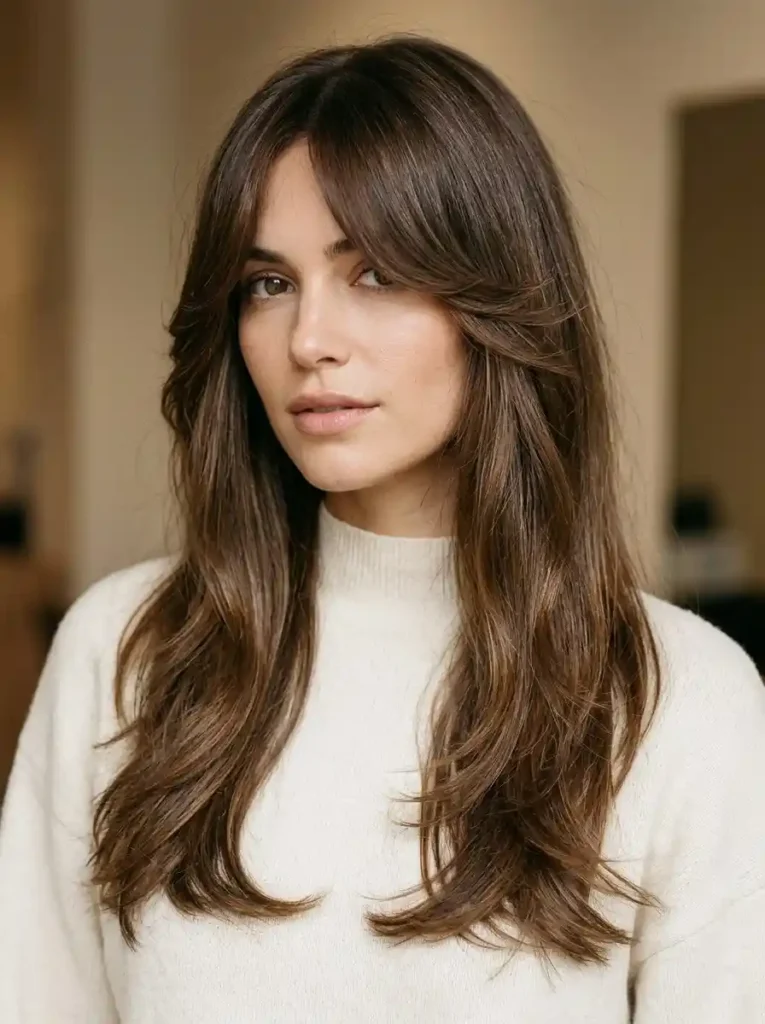
- Pair a soft curtain fringe with blended long layers.
- Keep the fringe slightly longer at the sides.
- Finish with a bouncy blowout or natural waves.
Modern face-framing layers with a curtain fringe offer a versatile combination that works across several hair lengths. The fringe opens around the centre of the forehead and gradually blends into the shorter pieces at the sides. Longer layers continue through the rest of the hair, creating movement without losing the overall shape. You can adapt the style to straight, wavy, or softly curled hair by adjusting the fringe density and the length of the front pieces.
For a classic salon finish, blow-dry the fringe with a round brush and direct each side away from the centre. Add a few loose waves through the lengths to highlight the layers, or wear the hair straight for a cleaner look. If you prefer a low-maintenance routine, ask for a longer curtain fringe that can be tucked behind the ears. This gives you flexibility as the haircut grows and makes it easier to switch between different partings.
Conclusion: Face-Framing Haircuts
Face-framing haircuts offer plenty of ways to refresh your hairstyle while keeping the length, texture, and finish that you enjoy. From long, flowing layers and butterfly cuts to textured bobs and naturally curly styles, the right option depends on your hair type, preferred maintenance level, and personal taste. Small changes to the front layers or fringe can create a noticeably different look without requiring a completely new hairstyle.
Before your next salon appointment, save a few reference photos and discuss how the haircut will work with your natural texture and daily routine. Ask your stylist to customise the length and placement of the layers rather than choosing a cut based on a photo alone. With the right shape and simple styling techniques, face-framing layers can become a versatile part of your everyday hair routine.