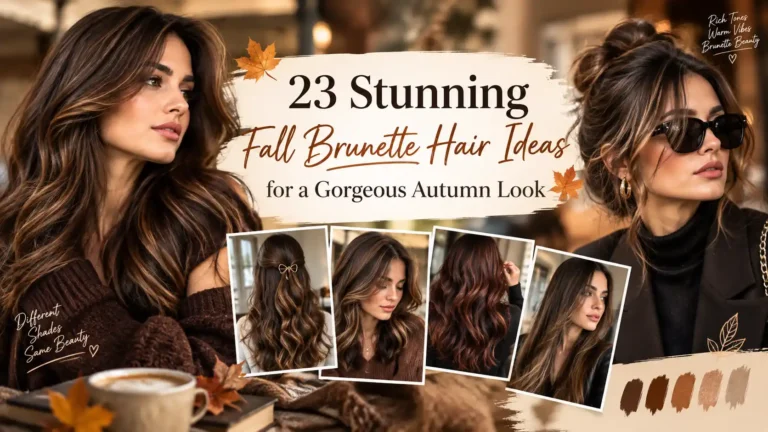
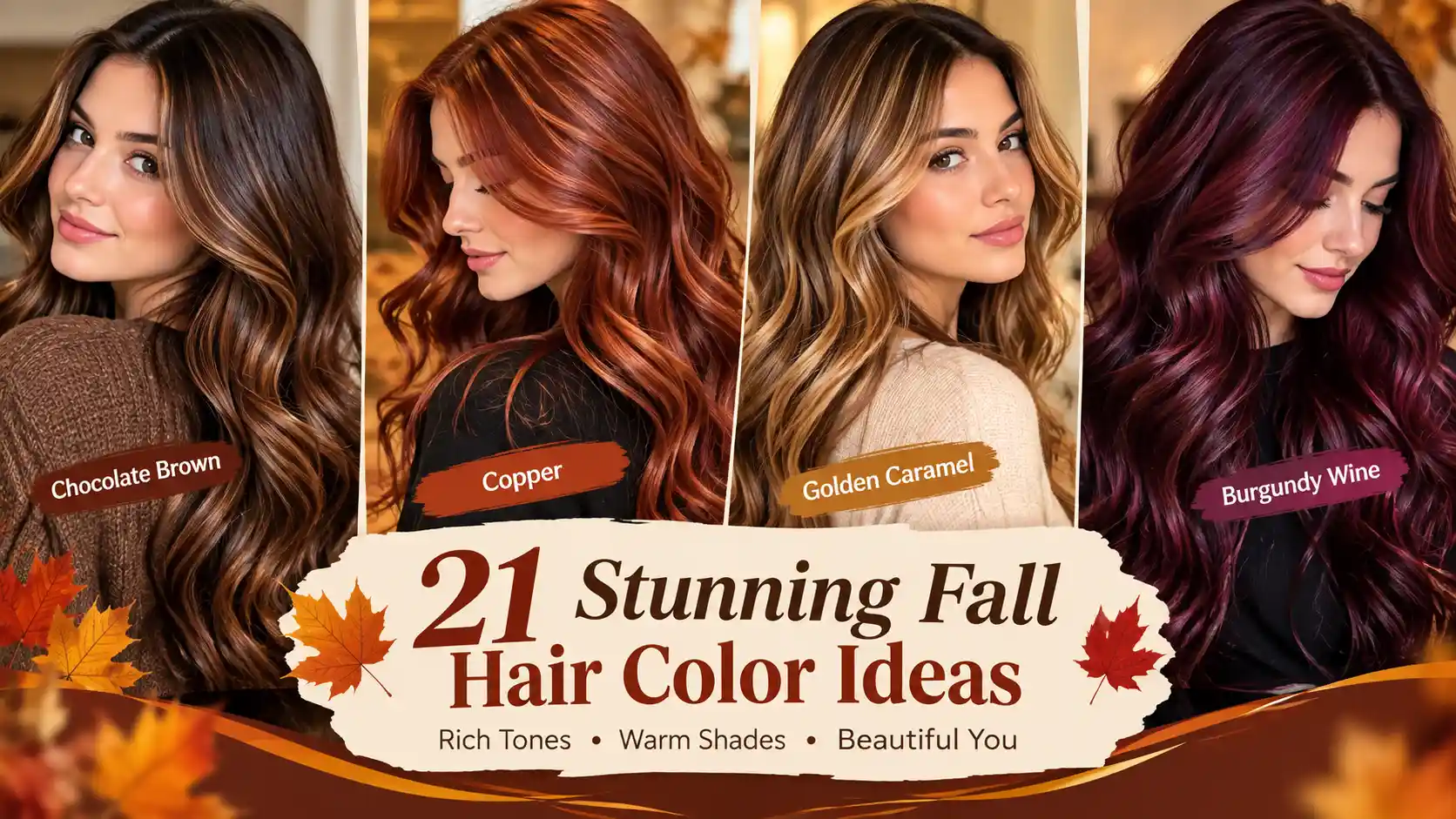
21 Stunning Fall Hair Color Ideas for Chic Autumn Look
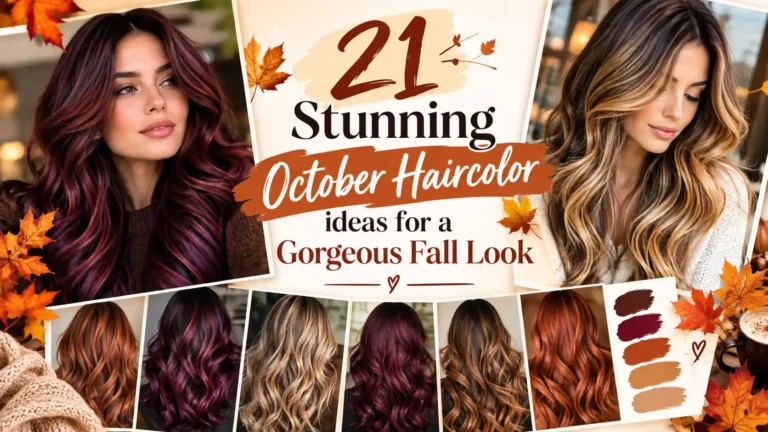
Fall hair color ideas are all about embracing rich brunette shades, warm copper tones, golden highlights, and dimensional colors that feel perfect for the autumn season. As the weather gets cooler, many people look for hair colors that add warmth, shine, and a fresh seasonal touch to their overall style. Whether you prefer deep chocolate brown, soft caramel balayage, glossy cherry cola, or a beautiful copper-inspired shade, there are plenty of options to explore.
The right color can complement your natural hair, enhance your favorite hairstyle, and create a polished look without requiring a dramatic transformation. In this guide, you will discover 21 stunning fall hair color ideas by Styled Aura along with practical tips to help you choose a shade that suits your preferences and maintenance routine.
1. Chocolate Brown Gloss
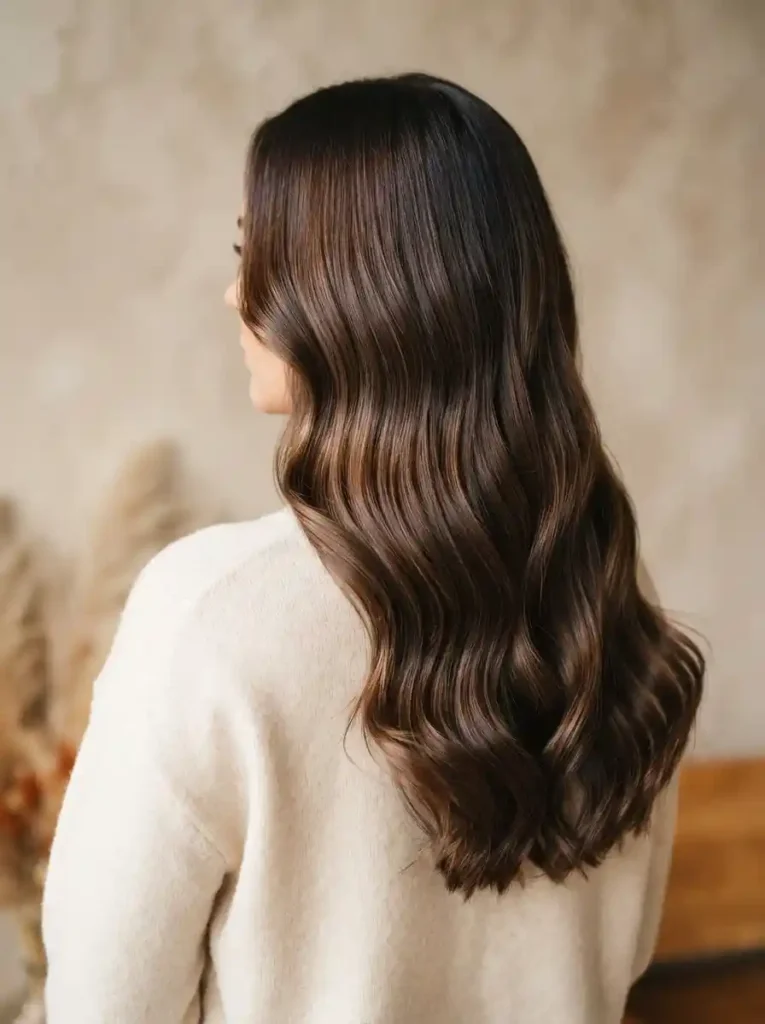
- Adds rich, deep brown tones with a glossy, polished finish.
- Enhances natural brunette hair without creating a dramatic color change.
- Often complements warm, neutral, and olive undertones, depending on the exact shade.
- Offers a relatively low-maintenance option when matched closely to the natural base.
- Looks especially beautiful on straight, wavy, and softly layered hair.
Chocolate brown hair brings a rich, luxurious warmth that feels especially inviting during autumn. Its deep cocoa tones create a polished appearance while allowing the hair’s natural depth to remain visible. This shade may work particularly well for brunettes who want a noticeable refresh without moving toward blonde or copper. On naturally dark brown hair, a gloss or demi-permanent color may enhance shine and richness without extensive lightening. The final result depends on the starting shade, previous color treatments, and hair condition, so a colorist can help determine the most suitable formula.
One of the most appealing features of this brunette shade is its relatively simple upkeep. When the color stays close to the natural base, visible root regrowth may be less noticeable, making it practical for busy routines. Warm chocolate tones can appear especially luminous in natural daylight, while indoor lighting may emphasize their deeper cocoa finish. To maintain softness and shine, use a color-safe shampoo, condition regularly, and limit excessive heat styling. If your hair has previously been lightened, a gloss may help refresh faded tones. A professional consultation and strand test can help achieve a balanced result.
2. Copper Auburn
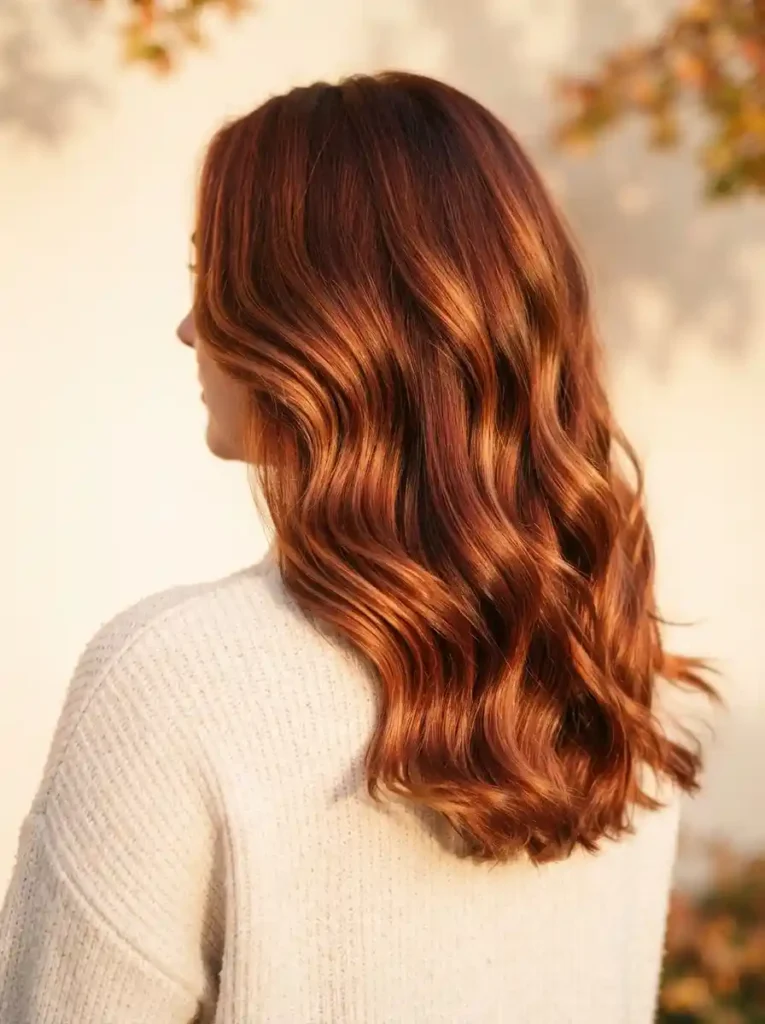
- Blends rich auburn depth with warm copper reflections.
- Creates a vibrant autumn-inspired finish without looking as bright as vivid orange.
- May complement warm and neutral undertones, depending on the copper intensity.
- Looks particularly striking on layered, wavy, and naturally textured hair.
- Requires regular color care because red and copper tones can fade noticeably.
Copper auburn brings together the richness of brunette hair and the glowing warmth of copper, creating a dimensional color that feels perfectly suited to autumn. Its reddish-brown base keeps the overall look grounded, while copper reflections add brightness and movement. This shade may work especially well for people with naturally light brown, medium brown, or dark blonde hair, although the final result depends on the starting color. Warm and neutral undertones may complement its fiery finish, while a colorist can adjust the red and copper balance to suit individual preferences.
The main consideration with copper auburn is keeping its warmth vibrant between salon visits. Red and copper pigments can fade with frequent washing, strong sunlight, and excessive heat styling. Depending on the natural base, achieving a brighter copper finish may require pre-lightening, particularly on darker hair. A color-safe shampoo, nourishing conditioner, and occasional professional gloss can help maintain richness and shine. Root touch-ups may be needed as the natural color grows in, especially with a lighter or more vivid result. Before committing, discuss maintenance expectations and test the formula on a small section of hair.
3. Caramel Balayage
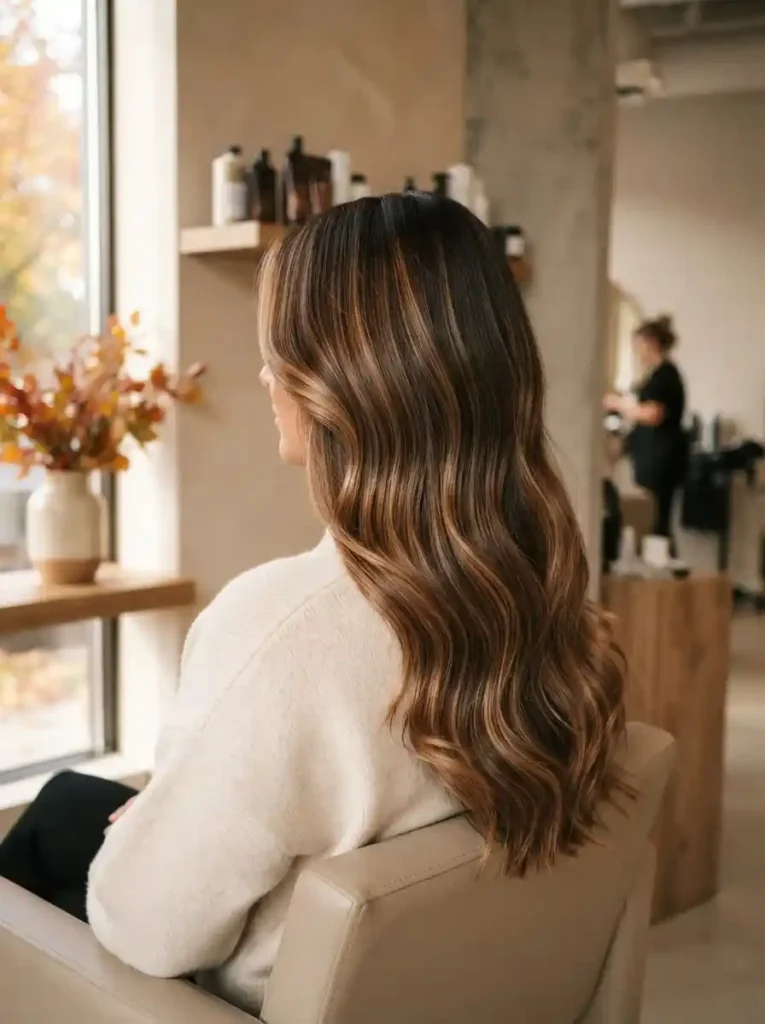
- Adds soft, golden-brown dimension without coloring every strand.
- Brightens the mid-lengths and ends while keeping the natural root color visible.
- May complement brunette bases and create a sunlit effect on layered hairstyles.
- Offers a softer regrowth line than traditional highlights when blended well.
- May require pre-lightening and occasional toning to maintain the desired caramel shade.
Caramel balayage creates a beautiful balance between natural brunette depth and warm, light-reflecting highlights. Hand-painted caramel tones are blended through the mid-lengths and ends, creating a gradual transition that adds movement without covering the entire base. This technique may suit people with medium or dark brown hair who want a softer, brighter finish. Face-framing pieces can bring extra light around the face, while subtle highlights throughout the lengths create a more understated result. The placement and warmth can be adjusted to complement different undertones, hair lengths, and personal style preferences.
One practical advantage of balayage is that its blended placement can make regrowth less noticeable than traditional highlights. However, caramel tones may gradually lose their warmth or become brassy, particularly when the hair has been lightened significantly. Darker natural hair may need pre-lightening to achieve a visible caramel finish, and the process should be tailored to the hair’s condition. A color-safe shampoo, regular conditioning, and heat protection can help preserve the result. Depending on the desired brightness, a toner or gloss may be needed every few weeks or months, while full balayage appointments are often spaced farther apart.
4. Cherry Cola Brunette
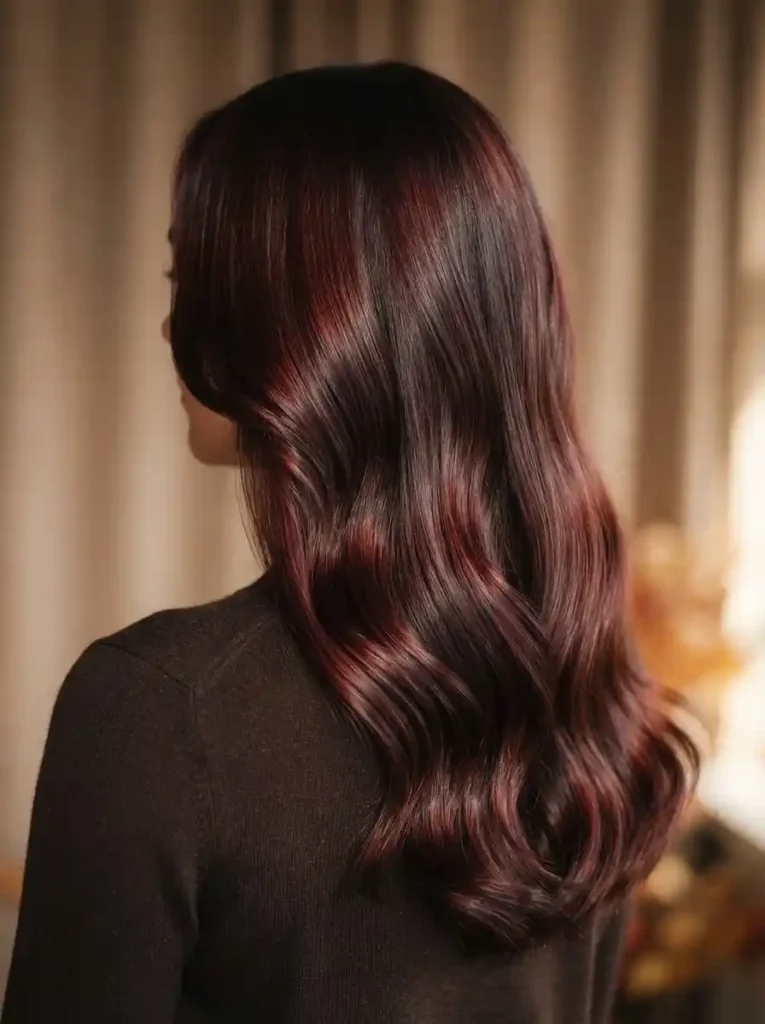
- Blends deep brunette tones with subtle red and burgundy reflections.
- Creates a rich, dimensional finish that looks darker indoors and more vibrant in sunlight.
- May complement naturally dark brown hair and warm or neutral undertones.
- Offers a bold color change without the brightness of vivid red.
- Requires occasional gloss treatments to maintain the richness of its red undertones.
Cherry cola brunette combines the depth of dark brown hair with the richness of red and burgundy tones. Its deep base creates a sophisticated finish, while subtle cherry reflections add dimension and movement. This shade may work particularly well for naturally dark brown hair because the existing depth helps preserve its rich appearance. On lighter brown hair, the red tones may appear more noticeable and vibrant. The final result depends on the starting color, previous treatments, and chosen formula. A colorist can adjust the balance between brown and red to create a softer or more dramatic finish.
One of the most appealing features of cherry cola brunette is the contrast between its dark base and red reflections. In natural daylight, the burgundy tones may appear brighter, while indoor lighting often emphasizes the deeper brunette finish. Red pigments can fade with repeated washing, so a color-safe shampoo and regular conditioning are helpful. Depending on the formula and starting shade, pre-lightening may or may not be necessary. A gloss can refresh faded reflections between appointments, while root touch-ups depend on how closely the base matches your natural hair color. Discuss maintenance and color expectations with your stylist before choosing this shade.
5. Honey Blonde Highlights
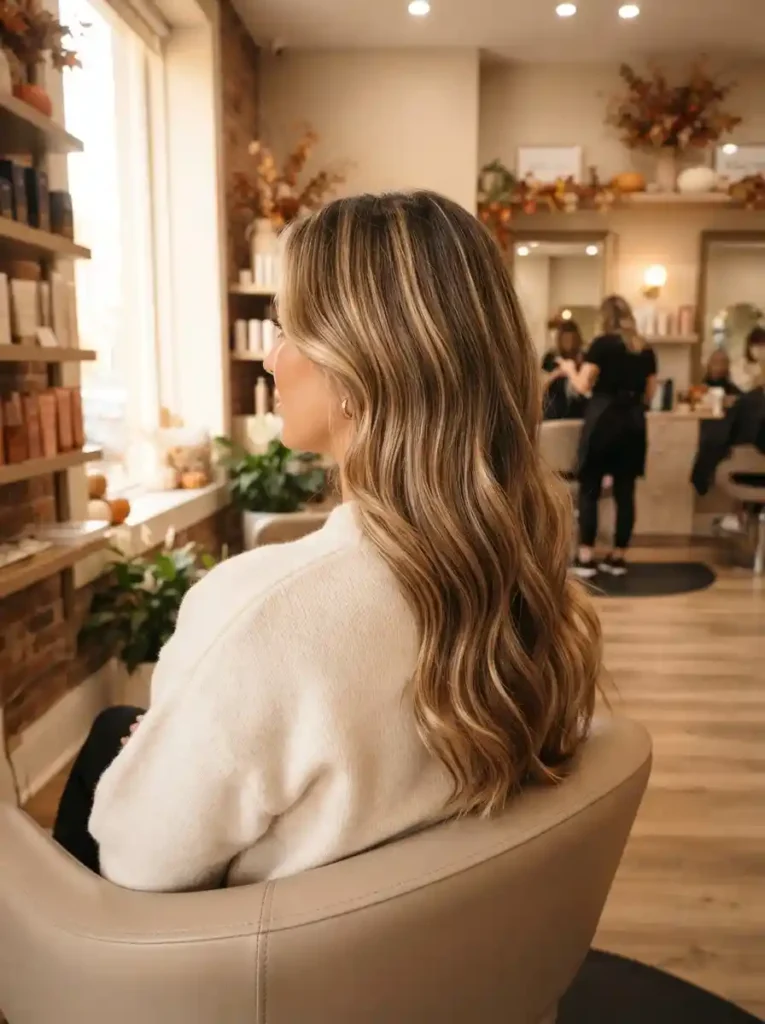
- Adds warm golden brightness to a natural brunette or dark blonde base.
- Creates soft dimension without requiring an all-over blonde transformation.
- May complement warm and neutral undertones with its golden finish.
- Works beautifully on layered cuts, loose waves, and straight hairstyles.
- May require toning and regular conditioning to maintain a balanced golden shade.
Honey blonde highlights bring a warm, golden glow to the hair while preserving the depth of the natural base. Fine ribbons of honey blonde can brighten the face and create dimension through the mid-lengths and ends. This technique may work especially well for naturally dark blonde, light brown, or medium brown hair, depending on the desired brightness. Warm and neutral undertones often pair naturally with golden shades, although a colorist can adjust the tone to suit individual preferences. The placement can be subtle for everyday wear or more noticeable for a brighter seasonal transformation.
The final result depends on the starting hair color and the amount of lightening required. Darker hair may need pre-lightening to achieve a clear honey blonde shade, while lighter bases may reach the desired result more easily. Highlights can gradually become brassy or lose their golden balance, so occasional toning may help maintain the intended finish. Use a color-safe shampoo, nourishing conditioner, and heat protection to help preserve softness and shine. Because highlights are concentrated in selected sections, root regrowth may appear softer than with an all-over color. Salon refreshes depend on the brightness and placement you prefer.
6. Mocha Brown Melt

- Blends deep brunette roots into softer mocha-brown lengths.
- Creates a smooth, dimensional finish without strong color contrasts.
- May complement naturally dark brown and medium brown hair.
- Offers a softer regrowth effect when the root shade closely matches the natural base.
- Usually requires less frequent root maintenance than a full-color transformation.
Mocha brown melt creates a seamless transition from deep brunette roots to softer, lighter brown lengths. The blend adds dimension while keeping the overall color natural and polished. This technique may suit people with naturally dark or medium brown hair who want a subtle change without strong highlights or dramatic contrast. Neutral mocha tones can create a balanced finish, while slightly warmer or cooler variations can be selected according to personal preference. The gradual color transition works particularly well on longer hair because the blended tones become more visible through the mid-lengths and ends.
One practical benefit of a mocha brown melt is its relatively soft regrowth line when the root color closely matches the natural base. This can make the style easier to maintain than an all-over lighter shade. However, previously colored or very dark hair may need careful color correction or lightening to achieve the intended transition. A colorist can assess the starting shade and hair condition before choosing the technique. To maintain shine, use color-safe hair products, condition regularly, and protect the lengths from excessive heat. Occasional gloss treatments can refresh the mocha tones when they begin to look dull.
7. Cinnamon Brown
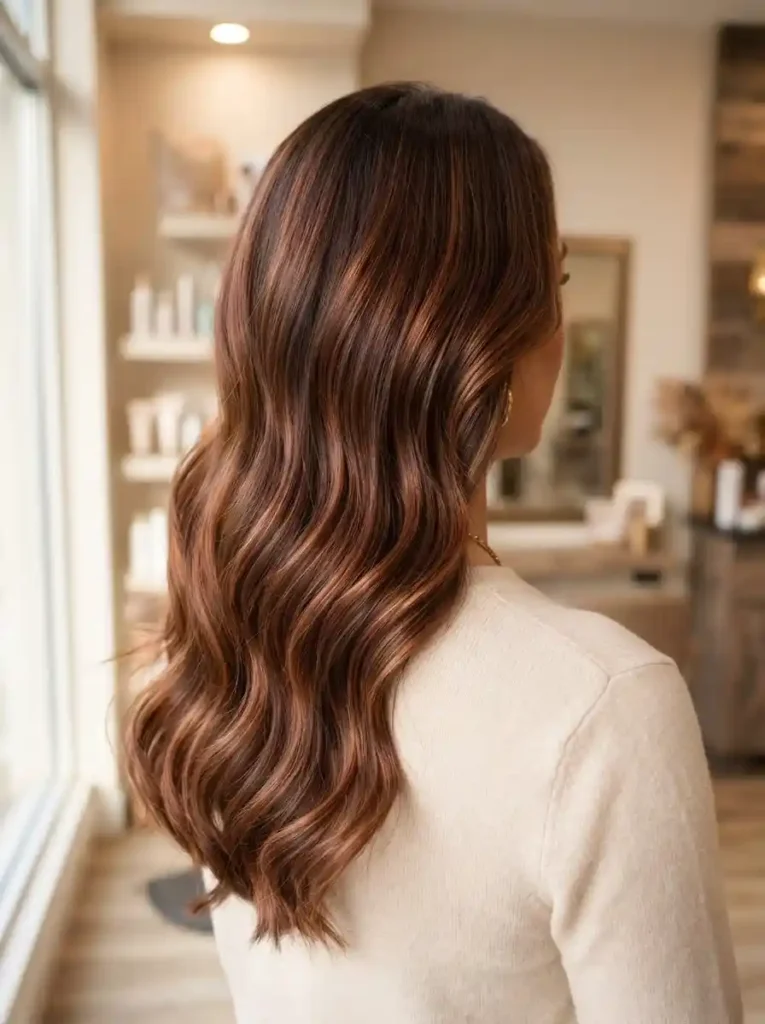
- Blends rich brunette tones with warm cinnamon and subtle reddish-brown reflections.
- Adds natural-looking warmth and dimension without an overly bright finish.
- May complement medium and dark brown hair with warm or neutral undertones.
- Looks especially beautiful on layered cuts and loose, flowing waves.
- May require occasional gloss treatments to maintain its warm, glossy finish.
Cinnamon brown brings a beautiful blend of chocolate depth and warm, spicy reflections that feel especially inviting during autumn. Its reddish-brown undertones create dimension without making the hair appear overly bright or dramatically different. This shade may work particularly well for naturally medium or dark brown hair, especially when the goal is a warmer, more luminous finish. Subtle cinnamon highlights can add movement to straight hair, while loose waves help reveal the different tones. A colorist can adjust the warmth to complement your natural base and preferred finish, creating anything from a soft cinnamon glaze to a more noticeable transformation.
One appealing feature of cinnamon brown is its versatility, since the color can be created as an all-over shade, a gloss, or a blended highlighting technique. Naturally brown hair may achieve a subtle result without extensive lightening, while darker or previously colored hair may need additional work for brighter reflections. Warm tones can gradually fade, so a color-safe shampoo and regular conditioning help preserve shine. A gloss may refresh the cinnamon finish between salon visits, while root maintenance depends on the contrast with your natural color. Before coloring, discuss the desired warmth and maintenance routine with your stylist.
8. Burgundy Wine
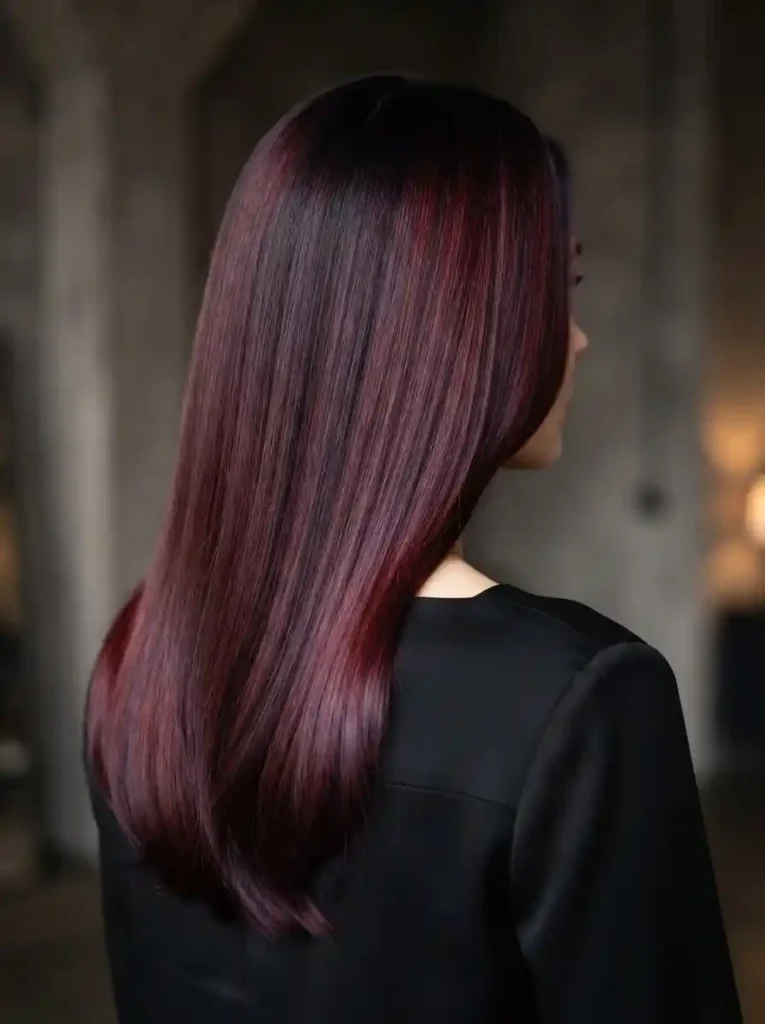
- Creates a deep, elegant blend of burgundy, wine, and subtle red-violet tones.
- Adds a rich, dramatic finish while preserving depth at the roots.
- May complement naturally dark brown hair and a range of undertones.
- Looks especially striking on sleek, straight hair and softly defined waves.
- Requires color-safe care and occasional refreshing to maintain its rich red tones.
Burgundy wine creates a deep, sophisticated hair color with rich red and subtle violet reflections. Its dark base keeps the finish elegant, while the wine-inspired tones add depth and a distinctive autumn feel. This shade may work particularly well for naturally dark brown hair because the existing depth helps create a rich, saturated result. On lighter bases, burgundy can appear brighter and more vivid. The balance between red and violet can be adjusted to suit personal preferences and different undertones. Whether worn as an all-over color or blended through the lengths, it creates a noticeable change without requiring a blonde transformation.
The main consideration with burgundy wine is maintaining its rich red-violet tones as they gradually fade. Frequent washing, strong sunlight, and heat styling can reduce vibrancy, so a color-safe shampoo and regular conditioning are helpful. Depending on the starting shade and desired intensity, pre-lightening may be necessary, particularly for a brighter result on very dark hair. A professional gloss can refresh the color between appointments, while root touch-ups depend on the contrast with natural growth. Before choosing this shade, discuss the expected fading pattern and maintenance routine with your colorist to keep the finish looking balanced and glossy.
9. Mushroom Brown

- Combines cool brown, soft ash, and subtle beige tones for a muted finish.
- Creates dimension without the strong warmth of golden or copper shades.
- May complement naturally light brown or medium brown hair with cooler undertones.
- Looks especially elegant on sleek, straight hair and softly layered styles.
- May require toning to prevent unwanted warmth from appearing as the color fades.
Mushroom brown offers a cool, understated finish by blending neutral brown with muted ash and soft beige tones. Its smoky appearance creates dimension without the golden warmth found in caramel or honey shades. This color may suit naturally light brown or medium brown hair, particularly when someone prefers a cooler, more neutral look. Fine highlights can create a delicate, multidimensional effect, while a more uniform application produces a polished finish. The final tone depends on the starting color and underlying warmth, so a colorist can adjust the formula to achieve a balanced result that complements your preferred style.
Maintaining mushroom brown often involves controlling unwanted warmth, especially when the hair has been lightened to achieve its cooler tones. Darker hair may require pre-lightening, while previously colored hair may need a customized approach. Depending on the formula, a professional toner or gloss can help preserve the smoky finish as the color gradually fades. Use a color-safe shampoo, condition regularly, and protect the hair from excessive heat to maintain softness and shine. Root regrowth may be less noticeable with a blended balayage technique than with an all-over color. Discuss toning frequency and upkeep with your stylist before choosing this shade.
10. Golden Caramel Brunette
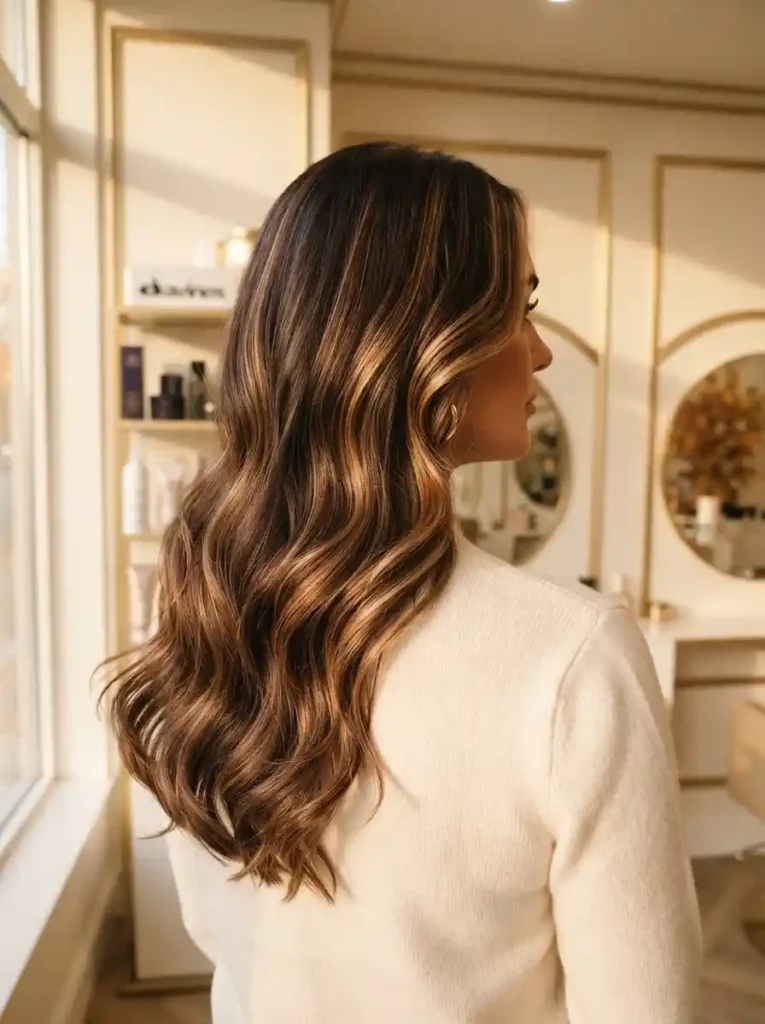
- Blends rich brunette tones with warm, golden caramel ribbons.
- Adds brightness and movement without losing the depth of the natural base.
- May complement medium and dark brown hair with warm or neutral undertones.
- Creates a sunlit effect that looks especially beautiful on layered, wavy hair.
- Requires occasional gloss treatments to maintain shine and balanced warmth.
Golden caramel brunette combines the richness of chocolate brown with glowing caramel and honey reflections. The result is a dimensional finish that adds warmth and brightness while keeping the natural base visible. This shade may work particularly well for medium and dark brown hair, especially when someone wants a noticeable refresh without going fully blonde. Golden ribbons around the face can create a brighter appearance, while softly blended highlights through the lengths add movement. The exact warmth can be adjusted to complement different undertones, and the final result depends on the starting shade and the amount of lightening required.
One of the most appealing features of golden caramel brunette is its versatility. A subtle balayage can create a soft, low-contrast finish, while brighter highlights produce a more noticeable transformation. Darker hair may require pre-lightening to achieve luminous caramel tones, and previously colored hair may need a customized approach. As the color fades, the golden reflections may become warmer or brassy, so occasional toning can help maintain balance. Use a color-safe shampoo, nourishing conditioner, and heat protection to preserve shine. A blended root can soften regrowth, while gloss treatments refresh the color between salon appointments.
11. Rose Brown

- Combines soft brunette depth with delicate pink and rosy-brown reflections.
- Creates a subtle, romantic finish without the brightness of vivid pink hair.
- May complement light brown and medium brown bases, depending on the chosen tone.
- Adds a soft, dimensional glow to layered cuts and loose waves.
- Requires occasional color refreshing because rosy pigments can fade with washing.
Rose brown creates a delicate blend of brunette depth and muted rosy reflections, offering a softer alternative to vivid pink hair. Its brown base keeps the color wearable, while the subtle rose tones add dimension and a gentle, romantic finish. This shade may work especially well on light brown or medium brown hair, although the final result depends on the starting color and the chosen formula. A colorist can adjust the balance between brown, pink, and mauve to create a subtle tint or a more noticeable rosy effect. Soft waves and layered cuts help reveal the different tones as the hair moves.
The main consideration with rose brown is maintaining its delicate pink undertones, which may fade faster than the brunette base. Depending on the natural hair color and desired brightness, pre-lightening may be necessary to make the rosy reflections visible. Previously colored hair may require a strand test to assess how the shade will develop. Use color-safe shampoo, condition regularly, and limit excessive heat styling to help preserve the finish. A color-depositing product recommended by a professional may refresh the rosy tones between appointments. Root maintenance depends on the base color, while occasional gloss treatments can restore shine and tonal balance.
12. Espresso Brunette
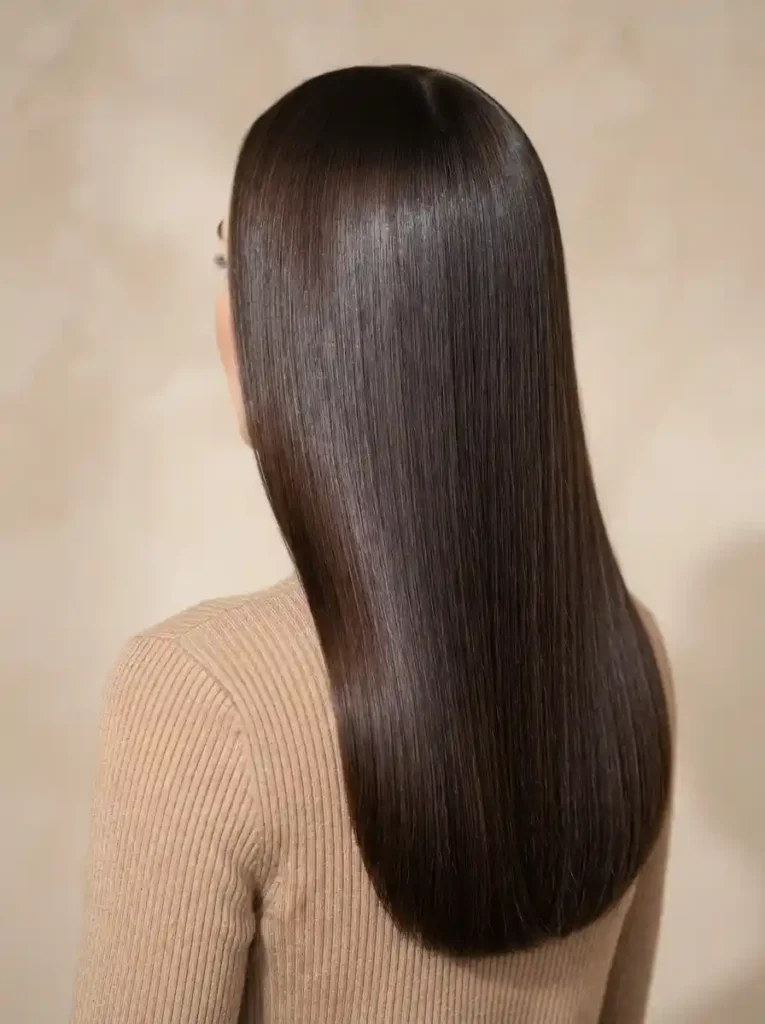
- Creates a deep, rich brunette finish with subtle espresso and cocoa undertones.
- Enhances the natural depth of dark brown hair with a polished appearance.
- May complement a range of undertones depending on the warmth or coolness of the formula.
- Looks especially striking on sleek, straight hair and smooth, defined waves.
- Offers relatively simple maintenance when matched closely to the natural base color.
Espresso brunette delivers a deep, polished finish inspired by the rich tones of dark coffee. Its dark brown base creates a sophisticated appearance while subtle cocoa reflections prevent the color from looking completely flat. This shade may work particularly well for naturally dark brown hair, especially when someone wants a richer, more uniform finish without moving toward lighter colors. The tone can be adjusted to appear warmer or cooler, depending on personal preference and the natural base. Sleek styling emphasizes its glossy appearance, while soft waves reveal subtle variations in the color under different lighting conditions.
One practical advantage of espresso brunette is its relatively straightforward upkeep when the chosen shade closely matches the natural hair color. Root regrowth may be less noticeable, and frequent lightening appointments are generally unnecessary for a simple darkening service. However, previously lightened hair may need careful color formulation to achieve an even, lasting result. A colorist can assess the hair’s condition and recommend a suitable approach. To preserve the glossy finish, use a color-safe shampoo, condition regularly, and protect the hair from excessive heat. Occasional gloss treatments can refresh the richness, while the frequency of salon visits depends on fading and personal preference.
13. Copper Blonde
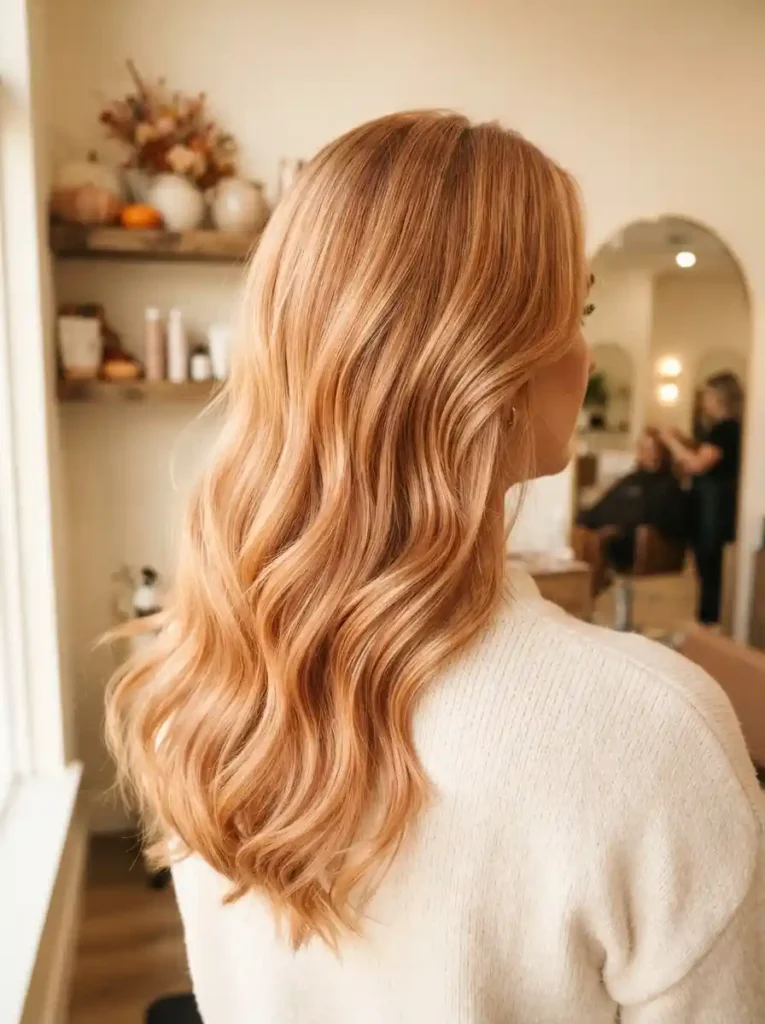
- Blends golden blonde brightness with warm copper and soft strawberry tones.
- Creates a luminous finish that adds warmth and dimension to the hair.
- May complement naturally dark blonde or light brown bases after suitable lightening.
- Looks especially beautiful on loose waves and layered hairstyles.
- Requires regular toning and color care to maintain its balanced golden-copper finish.
Copper blonde combines the brightness of golden blonde with the warmth of copper and delicate strawberry reflections. Its luminous finish creates a beautiful balance between golden and reddish tones, making it an eye-catching choice for autumn. This shade may work particularly well on naturally dark blonde or light brown hair, although the starting color determines how much lightening is required. Warm and neutral undertones may complement its golden-copper finish, while a colorist can adjust the balance to suit personal preferences. Soft waves and layered cuts help reveal the subtle tonal variations throughout the hair.
Maintaining copper blonde requires attention because both golden and copper pigments can gradually fade, changing the overall balance of the shade. Darker hair may need pre-lightening to achieve a bright blonde-copper finish, and previously colored hair may require a professional assessment. A color-safe shampoo, regular conditioning, and heat protection can help preserve softness and shine. Depending on the desired tone, a professional gloss or toner may be needed to refresh the color. Root touch-ups will depend on the natural base and highlight placement. Before choosing this shade, discuss the maintenance schedule and expected fading with your stylist.
14. Smoky Ash Brown
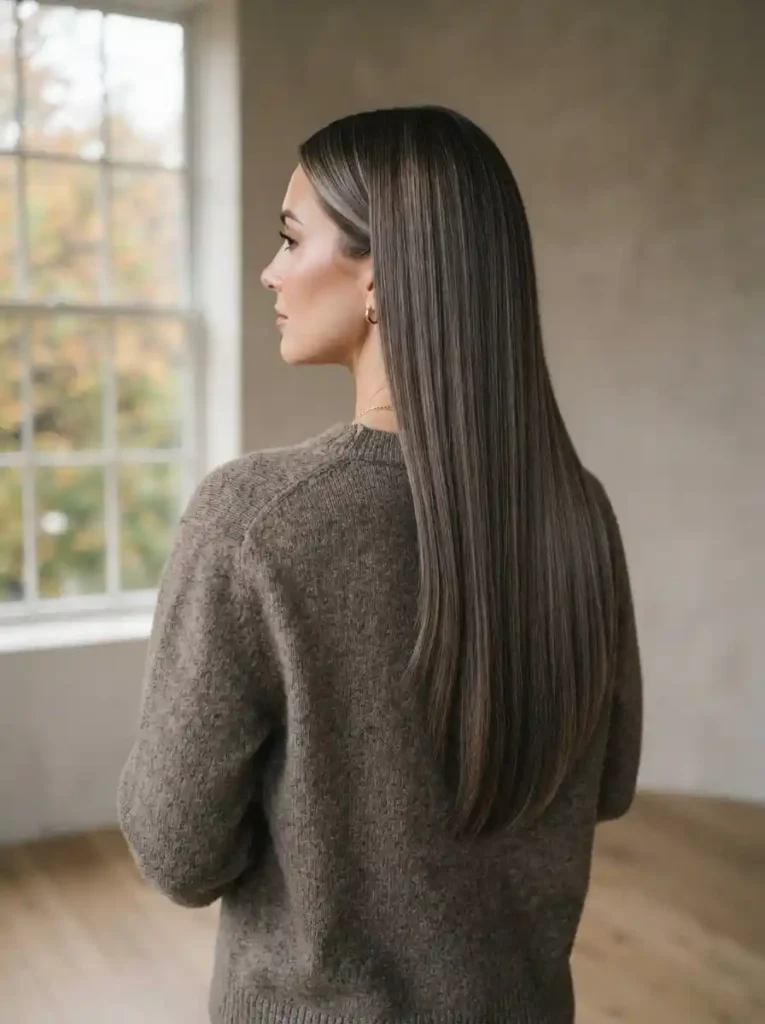
- Combines cool brown depth with muted ash and smoky gray undertones.
- Creates a modern, understated finish without strong golden or copper reflections.
- May complement naturally light or medium brown hair with cooler undertones.
- Looks especially polished on sleek, straight hair and softly layered styles.
- May require toning to maintain its cool finish and control unwanted warmth.
Smoky ash brown creates a cool, refined finish by combining medium-brown depth with muted ash and gray-beige undertones. Its understated color offers an alternative to warm caramel and golden brunette shades. This tone may work especially well for naturally light or medium brown hair when someone prefers a cooler appearance. Softly blended highlights can add dimension without creating strong contrast, while an all-over application produces a more uniform finish. The final result depends on the natural base, underlying warmth, and previous color treatments. A colorist can adjust the ash intensity to create a balanced shade that complements your preferred look.
Keeping smoky ash brown looking balanced may require occasional toning, especially if the hair has been lightened to achieve its cool finish. Darker bases may need pre-lightening, while previously colored hair may require a strand test before treatment. As the toner fades, warmer undertones can become more visible, so a professional gloss may help refresh the color. Use color-safe shampoo, condition regularly, and protect the hair from excessive heat to maintain softness. Root regrowth may be less noticeable with a blended technique than with an all-over color. Discuss the expected maintenance and toning schedule with your stylist before choosing this shade.
15. Plum Brown

- Blends rich brunette depth with subtle plum and violet reflections.
- Creates a sophisticated finish that appears deeper indoors and more vibrant in sunlight.
- May complement naturally dark brown hair with warm or neutral undertones.
- Adds dimension to sleek hairstyles, loose waves, and layered cuts.
- Requires occasional gloss treatments to preserve the richness of its plum tones.
Plum brown combines the depth of brunette hair with subtle plum and violet reflections, creating a rich shade that feels both elegant and distinctive. Its dark base keeps the overall appearance sophisticated, while the berry-inspired undertones add dimension and visual interest. This color may work particularly well for naturally dark brown hair, especially for someone who wants a noticeable change without choosing a vivid purple shade. On lighter brown bases, the plum tones may appear brighter and more pronounced. A colorist can adjust the violet intensity and brunette depth to create a balanced finish suited to the starting color.
One of the most appealing features of plum brown is the way its tones shift under different lighting. Natural daylight may reveal more of the plum and berry reflections, while indoor lighting often emphasizes the deeper brown base. Red-violet pigments can gradually fade, so a color-safe shampoo and regular conditioning are helpful for maintaining the finish. Depending on the starting shade and desired intensity, pre-lightening may be necessary for a more noticeable result. A professional gloss can refresh the color between appointments, while root maintenance depends on the natural base. Discuss the expected fading pattern and care routine with your stylist.
16. Butterscotch Blonde
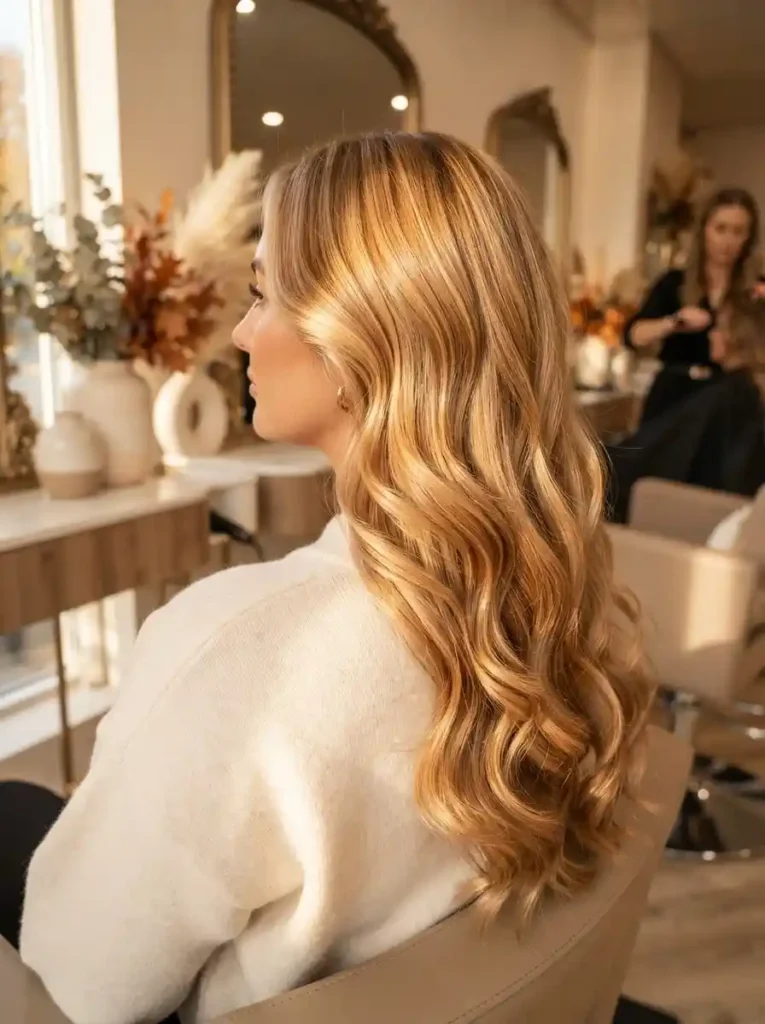
- Blends golden blonde tones with warm butterscotch and soft caramel reflections.
- Adds luminous brightness and dimension without an icy blonde finish.
- May complement naturally dark blonde or light brown hair with warm undertones.
- Looks especially beautiful on long layers and softly flowing waves.
- Requires regular conditioning and occasional toning to maintain its golden warmth.
Butterscotch blonde combines golden brightness with warm caramel tones, creating a luminous finish that feels rich and dimensional. Its buttery reflections add warmth without the icy appearance of platinum blonde. This shade may work particularly well for naturally dark blonde or light brown hair, especially when someone wants a noticeable seasonal refresh. On medium brown hair, achieving a brighter golden finish may require lightening. Warm and neutral undertones may complement its golden appearance, while a colorist can adjust the shade to suit individual preferences. Soft waves and layered cuts help reveal the different tones throughout the hair.
Maintaining butterscotch blonde involves keeping its golden tones balanced and the lightened lengths healthy. Depending on the starting color, achieving this shade may require pre-lightening, which can increase dryness and make conditioning especially important. Use a color-safe shampoo, nourishing conditioner, and heat protection to help preserve softness and shine. Highlights may gradually become brassy, so occasional professional toning or gloss treatments can refresh the finish. Root touch-ups depend on the natural base and the placement of the highlights. Before choosing this color, discuss the required lightening, expected fading, and salon maintenance with your stylist.
17. Dark Chocolate Cherry

- Combines deep chocolate-brown tones with rich cherry-red reflections.
- Creates a glossy, dimensional finish without the brightness of vivid red.
- May complement naturally dark brown hair and a range of undertones.
- Looks especially striking on sleek hair and softly defined waves.
- Requires occasional gloss treatments to preserve the richness of its cherry tones.
Dark chocolate cherry blends the richness of deep brunette hair with subtle cherry-red and mahogany reflections. Its dark chocolate base creates a sophisticated finish, while the red tones add depth and a distinctive autumn-inspired glow. This shade may work particularly well for naturally dark brown hair because the existing depth helps preserve its rich appearance. On lighter brown hair, the cherry reflections may appear brighter and more noticeable. The balance between brown and red can be adjusted to create a subtle tint or a more vibrant result. A colorist can assess the starting shade and recommend a suitable formula.
One appealing feature of dark chocolate cherry is the way its red reflections become more visible in natural daylight while the brunette base remains dominant indoors. However, red pigments can fade with frequent washing and heat styling, so color-safe products and regular conditioning are helpful. Depending on the starting color and desired intensity, pre-lightening may or may not be necessary. A professional gloss can refresh the cherry tones between appointments, while root touch-ups depend on the contrast with natural growth. Discuss the expected fading pattern and maintenance routine with your stylist to keep the finish rich, glossy, and balanced.
18. Maple Brown
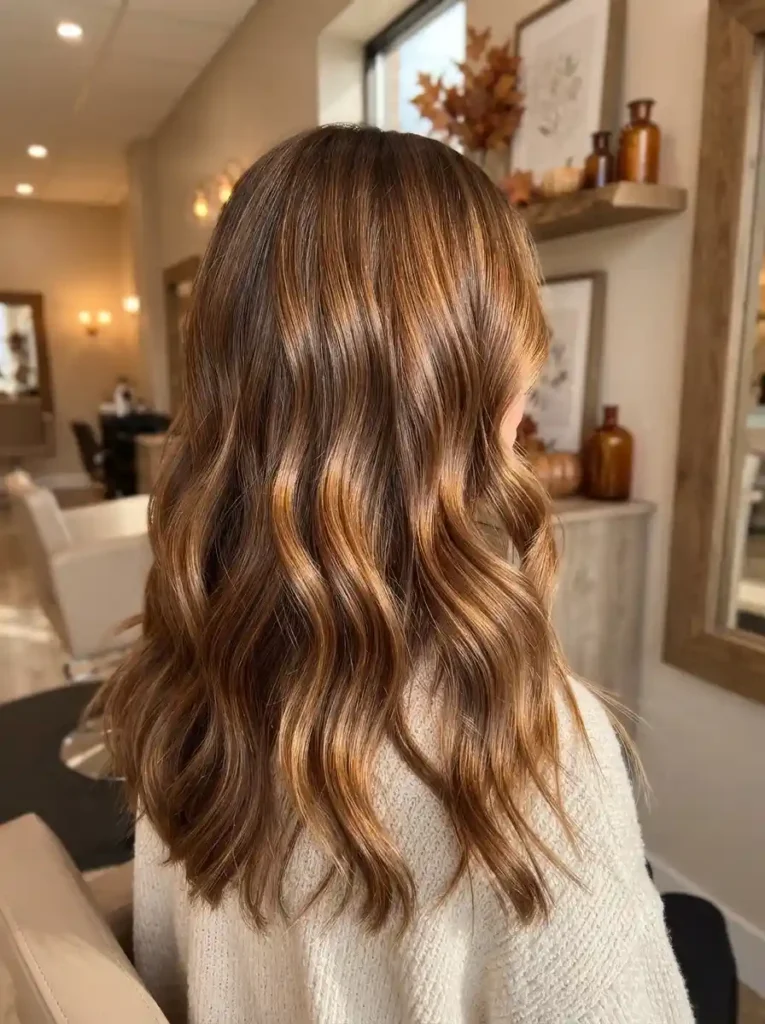
- Blends medium brown tones with warm maple and soft amber reflections.
- Creates a natural-looking finish with gentle autumn-inspired warmth.
- May complement naturally brown hair with warm or neutral undertones.
- Looks especially beautiful on long layers and softly styled waves.
- Benefits from occasional gloss treatments to maintain its shine and warmth.
Maple brown is a warm brunette shade that combines the richness of brown hair with soft amber and maple-inspired reflections. Its natural-looking warmth creates a dimensional finish that feels especially suited to autumn. Unlike very bright copper shades, maple brown maintains a balanced brunette base while adding gentle golden warmth throughout the hair. It may work particularly well for people with naturally brown hair who want a seasonal refresh without moving dramatically lighter. The color can be customized with subtle highlights or a more blended finish, depending on the starting shade, desired brightness, and personal preference.
Maintaining maple brown is generally straightforward, particularly when the color stays close to the natural base. Color-safe shampoo, regular conditioning, and heat protection can help preserve shine and reduce dryness. A gloss treatment may refresh the warm reflections if they become dull over time. For people adding lighter highlights, occasional salon toning may help maintain a balanced finish. Root maintenance depends on the placement of the color and the contrast with natural growth. Before choosing this shade, discuss how much warmth you want and whether subtle highlights or an all-over color would better suit your hair.
19. Toffee Brown
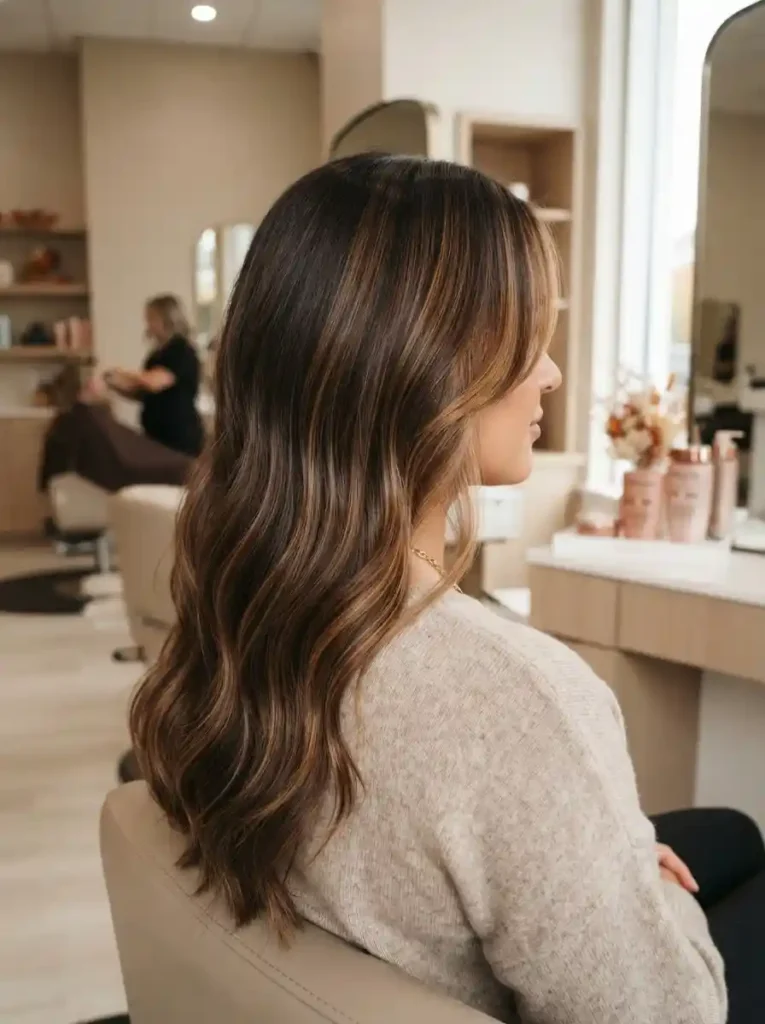
- Combines a rich brunette base with soft toffee and golden-brown highlights.
- Adds warmth and dimension while keeping the overall appearance natural.
- May complement medium to dark brown hair with warm or neutral undertones.
- Looks especially attractive with face-framing highlights and long layers.
- Requires occasional glossing to keep the highlights looking smooth and luminous.
Toffee brown brings together a rich brunette base and warm golden-brown highlights for a soft, dimensional appearance. The shade offers a balanced way to introduce brightness without creating a dramatic contrast between the roots and the lengths. Its warm reflections can make brown hair appear more luminous, especially when the highlights are placed around the face and through the mid-lengths. Toffee brown may suit naturally medium or dark brown hair, although the final result depends on the starting shade and undertones. A stylist can customize the highlight placement to create either a subtle blend or a more noticeable, sunlit finish.
To keep toffee brown looking fresh, use color-safe shampoo and conditioner and protect the hair from excessive heat styling. If highlights have been lightened, a nourishing mask can help maintain softness and manageability. A salon gloss may refresh the golden-brown tones when they begin to look dull. Root maintenance is often less noticeable with blended highlights than with an all-over color, but the schedule depends on the technique and natural hair color. Ask your stylist whether the desired toffee tones can be achieved with minimal lightening and how often the highlights may need refreshing.
20. Chestnut Copper
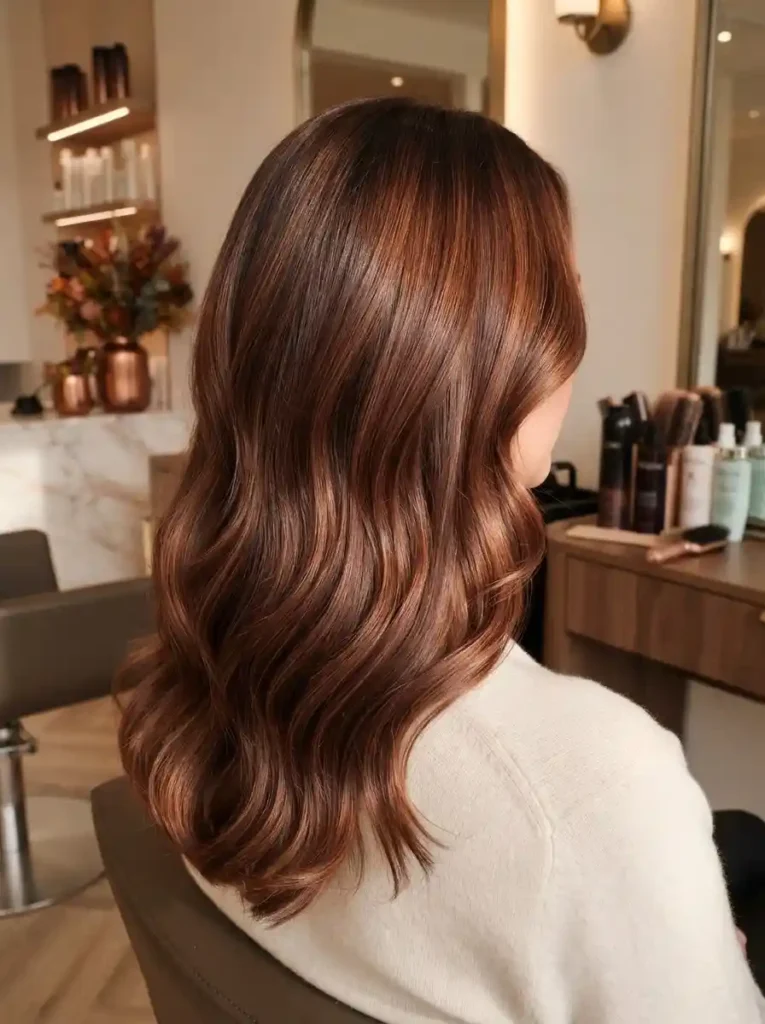
- Blends a rich chestnut-brown base with subtle copper and auburn reflections.
- Adds warm autumn dimension without creating an intensely red finish.
- May complement naturally brown hair with warm or neutral undertones.
- Looks especially beautiful with soft waves and layered hairstyles.
- Benefits from color-safe care and occasional gloss treatments to preserve its warmth.
Chestnut copper combines the depth of chestnut brown with gentle copper and auburn reflections, creating a warm brunette shade with noticeable autumn character. Its brown base keeps the overall appearance grounded, while the copper tones add brightness and dimension. This color may appeal to people who want a warmer seasonal look without choosing a vivid red or bright copper shade. It can work particularly well on naturally brown hair, although the final result depends on the starting color and desired intensity. A colorist can adjust the copper balance to create a subtle reddish glow or a more pronounced warm finish.
Chestnut copper benefits from a consistent care routine that helps preserve both its brown depth and copper reflections. Color-safe shampoo, regular conditioning, and heat protection can help reduce fading and dryness. Copper pigments may gradually lose their vibrancy with frequent washing, so an occasional gloss treatment can refresh the warmth. Depending on the natural hair color and chosen technique, some lightening may be necessary to achieve brighter copper reflections. Root maintenance varies according to the placement of the color and natural growth. Discuss the desired copper intensity and upkeep with your stylist before making the change.
21. Amber Brown

- Combines a rich brown base with soft amber and golden-copper reflections.
- Adds warmth and dimension while keeping the overall look naturally brunette.
- May complement medium to dark brown hair with warm or neutral undertones.
- Looks especially beautiful with long layers and softly styled waves.
- Benefits from color-safe care and occasional gloss treatments to maintain its shine.
Amber brown is a warm brunette shade that combines the depth of brown hair with glowing amber and subtle golden-copper reflections. The result is a dimensional finish that feels rich and seasonal without appearing overly bright. Its warm tones can bring extra luminosity to naturally brown hair while keeping the overall look grounded and sophisticated. Amber brown may work particularly well for people who want a noticeable autumn color refresh without choosing a vivid red or blonde shade. The final result depends on the starting hair color, desired brightness, and placement of the warm reflections.
Maintaining amber brown involves preserving its warmth and keeping the hair looking smooth and glossy. Color-safe shampoo, regular conditioning, and heat protection can help reduce fading and dryness. A salon gloss may refresh the amber reflections if they become dull over time. Depending on the starting shade and desired brightness, some lightening may be necessary to achieve more visible golden-copper tones. Root maintenance varies according to whether the color is applied all over or blended through highlights. Before choosing this shade, discuss the desired warmth, potential lightening, and maintenance schedule with your stylist.
Conclusion: Fall Hair Color Ideas
Choosing a new hair color for autumn can be a simple way to refresh your look and embrace the season. From rich chocolate and espresso shades to warm copper, golden caramel, and dimensional brunette blends, these 21 ideas offer a variety of options for different preferences and hair types. Before choosing a color, consider your natural hair shade, the level of maintenance you prefer, and whether lightening or toning may be necessary.
With the right color choice and a consistent hair care routine, you can enjoy a beautiful, glossy finish throughout the season. Save your favorite ideas and discuss your preferred shade with a professional stylist before making a change.